
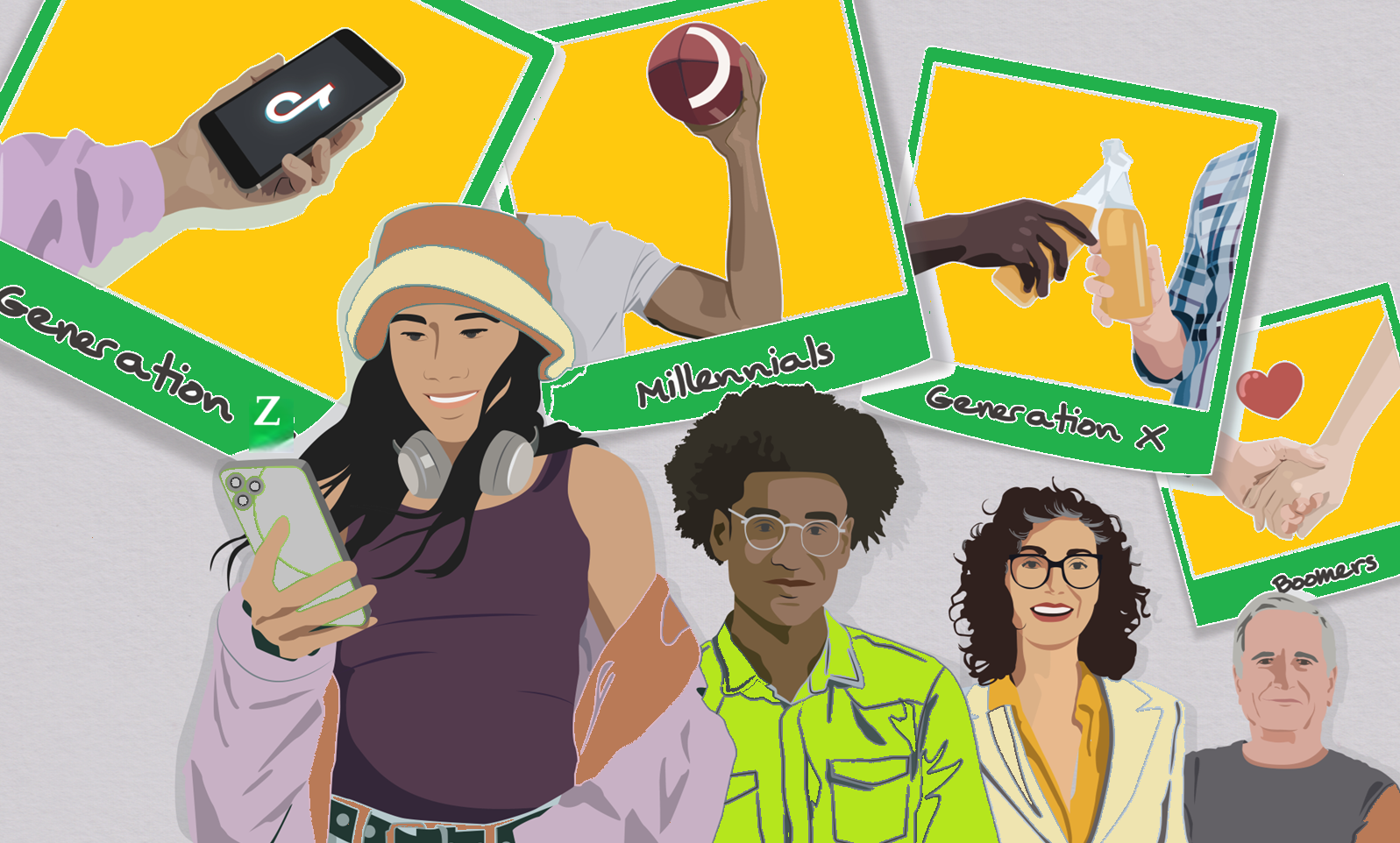
Generation Z, often referred to as Gen Z, represents the group of individuals born roughly between the mid-1990s and early 2010s. As the first true digital-native generation, Gen Z has grown up in a world deeply influenced by the internet, smartphones, and social media. Their values, behaviors, and expectations are reshaping industries, workplaces, and global culture in significant ways.
Who Are Gen Z?
Gen Z follows the Millennials and precedes Generation Alpha. While exact birth years may vary slightly depending on the source, most experts agree that Gen Z includes people born between 1997 and 2012. This generation has never known a world without technology, making them fundamentally different from previous generations in how they communicate, learn, and interact with the world.
Unlike Millennials, who witnessed the rise of the internet, Gen Z has grown up fully immersed in it. From online learning platforms to social networking, technology is not just a tool for them—it is a core part of their daily life.
Key Characteristics of Gen Z
1. Tech-Savvy and Digitally Connected
Gen Z is highly comfortable with technology. They use smartphones, apps, and digital platforms effortlessly. Social media platforms such as Instagram, TikTok, and YouTube play a central role in their lives. They consume and create content regularly, often favoring short-form videos and interactive media.
Their digital fluency also means they can quickly adapt to new tools and trends. This makes them highly flexible but also more selective about the content they engage with.
2. Independent and Self-Reliant
Growing up during times of economic uncertainty and global challenges has made Gen Z more cautious and practical. Many members of this generation value financial stability and independence. They are more likely to explore freelance work, side hustles, and entrepreneurship at an early age.
They often prefer learning skills online rather than relying solely on traditional education systems. Platforms offering online courses and tutorials are widely used by Gen Z for self-improvement.
3. Socially Aware and Inclusive
Gen Z is known for its strong focus on social issues. Topics such as climate change, gender equality, mental health, and diversity are important to them. They tend to support brands and organizations that align with their values and are not afraid to speak out on social issues.
Inclusivity is a major priority. This generation embraces diversity in all forms, including race, gender identity, and cultural backgrounds.
4. Preference for Authenticity
Unlike previous generations, Gen Z values authenticity over perfection. They are more likely to trust real, unfiltered content rather than highly polished advertisements. This is why influencers who appear genuine and relatable often perform better with this audience.
Brands targeting Gen Z must focus on transparency and honesty. Overly scripted marketing strategies can quickly lose their interest.
5. Short Attention Span but High Engagement
Gen Z is often said to have a shorter attention span, largely due to constant exposure to fast-paced digital content. However, this does not mean they are less engaged. Instead, they prefer content that is quick, visually appealing, and meaningful.
They can quickly switch between platforms, making it important for content creators and marketers to capture attention within seconds.
Education and Learning Style
Gen Z prefers interactive and personalized learning experiences. Traditional lecture-based methods are often less effective for them compared to digital tools, videos, and hands-on activities.
Online education platforms, educational apps, and virtual classrooms have become popular among this generation. They appreciate flexibility and the ability to learn at their own pace.
Additionally, Gen Z is more focused on practical skills. They are interested in learning things that can be directly applied in real life, such as coding, digital marketing, and financial literacy.
Gen Z in the Workplace
As Gen Z enters the workforce, they are bringing new expectations and values. They prioritize work-life balance, flexibility, and meaningful work. Unlike older generations, they are less likely to stay in one job for a long time if it does not meet their expectations.
They prefer workplaces that encourage creativity, innovation, and collaboration. Remote work and flexible schedules are particularly appealing to them.
Employers must adapt to these preferences by offering supportive work environments, opportunities for growth, and clear communication.
Shopping and Consumer Behavior
Gen Z has a unique approach to shopping. They rely heavily on online research, reviews, and recommendations before making purchases. Social media plays a major role in influencing their buying decisions.
They are also more conscious consumers. Sustainability, ethical production, and brand values matter to them. They are willing to support brands that align with their beliefs, even if it means paying a little more.
Online shopping, mobile payments, and digital wallets are widely used by this generation. Convenience and speed are key factors in their purchasing decisions.
Challenges Faced by Gen Z
Despite their strengths, Gen Z faces several challenges. Growing up in a digital world can lead to issues such as screen addiction, cyberbullying, and mental health concerns. The pressure to maintain an online presence can also be overwhelming.
Additionally, economic uncertainty and job competition can create stress and anxiety about the future. Many Gen Z individuals are highly aware of global issues, which can sometimes lead to feelings of uncertainty or concern.
The Future Impact of Gen Z
Gen Z is set to become one of the most influential generations in history. As they grow older, their impact on society, business, and culture will continue to expand.
They are likely to drive innovation in technology, reshape workplace norms, and push for greater social responsibility. Their focus on authenticity, inclusivity, and sustainability will influence how companies operate and communicate.
Conclusion
Gen Z is a dynamic and forward-thinking generation that is redefining modern life. Their deep connection with technology, strong values, and desire for meaningful change set them apart from previous generations.
Understanding Gen Z is essential for businesses, educators, and policymakers who want to stay relevant in today’s rapidly evolving world. As they continue to grow and take on leadership roles, Gen Z will play a crucial role in shaping the future of society.