The Role of an ECCE Educator: Building Strong Foundations for Lifelong Learning
Early Childhood Care and Education (ECCE) is often described as the foundation of lifelong learning. The years from birth to eight are considered the most critical period of brain development, where children form the skills, attitudes, and values that shape their entire […]
Early Childhood Care and Education (ECCE) is often described as the foundation of lifelong learning. The years from birth to eight are considered the most critical period of brain development, where children form the skills, attitudes, and values that shape their entire future. At the heart of this journey is the ECCE educator—an individual who nurtures young minds, supports families, and lays the groundwork for holistic growth.
Who is an ECCE Educator?
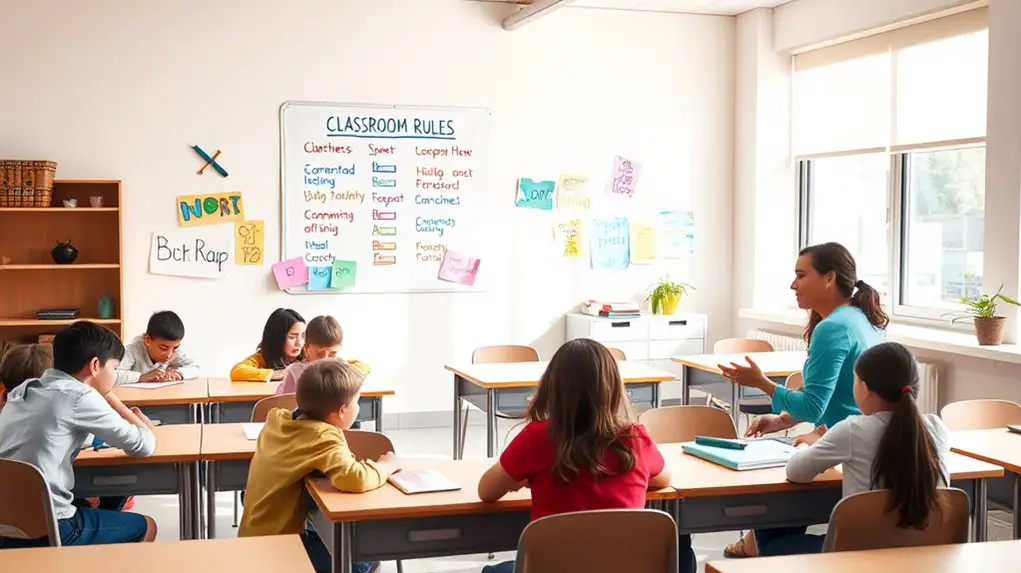
An ECCE educator is a trained professional who works with young children in preschools, daycare centers, nurseries, and early learning institutions. Their role goes beyond teaching alphabets and numbers; they focus on the overall development of a child, which includes social, emotional, cognitive, and physical growth. They create an engaging environment where children feel safe, valued, and motivated to explore the world around them.
Responsibilities of an ECCE Educator
The responsibilities of an ECCE educator are diverse and require a blend of knowledge, patience, and creativity. Some of the key responsibilities include:
- Designing age-appropriate activities – Activities are carefully planned to stimulate curiosity and problem-solving. For example, storytelling encourages language skills, while play-based learning builds imagination and teamwork.
- Fostering social skills – An ECCE educator helps children learn how to share, cooperate, and resolve conflicts peacefully. These interpersonal skills are vital for success in school and life.
- Monitoring developmental milestones – By observing children’s behavior and progress, educators can identify strengths and areas where extra support may be needed. Early intervention can make a significant difference in a child’s development.
- Encouraging inclusivity – ECCE educators ensure that every child, regardless of background, ability, or culture, feels welcomed and included in the classroom.
- Supporting families – Educators often act as a bridge between home and school, guiding parents on how to continue supporting their child’s learning journey.
Skills and Qualities of a Successful ECCE Educator
Being an ECCE educator requires more than just academic knowledge. It demands qualities that make learning a joyful and nurturing process.
- Patience and empathy – Young children need time and encouragement to grow at their own pace.
- Creativity – Innovative teaching methods keep children engaged and excited about learning.
- Strong communication – Educators must effectively interact with both children and parents.
- Adaptability – Every child is unique, so lessons often need to be tailored to different needs and learning styles.
- Observation and assessment skills – Recognizing early signs of developmental delays or giftedness helps provide appropriate support.
Importance of ECCE Educators in Society
The role of ECCE educators goes far beyond the classroom. They contribute significantly to society in several ways:
- Building lifelong learners – Children who experience quality early education are more likely to succeed academically and socially later in life.
- Reducing inequalities – ECCE educators provide opportunities for children from disadvantaged backgrounds to access the same quality learning as their peers.
- Strengthening communities – By working closely with families, educators promote values of respect, inclusion, and cooperation.
- Boosting economic development – Studies show that investing in early childhood education yields long-term economic benefits, as children grow into responsible and skilled adults.
Challenges Faced by ECCE Educators
While the profession is rewarding, it also comes with challenges:
- Workload and responsibilities – Managing young children requires high energy and constant attention.
- Limited resources – In many regions, early education centers face shortages of teaching materials, space, and funding.
- Recognition and pay – Despite their crucial role, ECCE educators are often undervalued compared to teachers at higher education levels.
- Continuous learning needs – Educators must stay updated with new research, teaching strategies, and child development practices.
Pathways to Becoming an ECCE Educator
To become an ECCE educator, individuals typically pursue diplomas, degrees, or certification programs in early childhood education. These programs focus on child psychology, pedagogy, curriculum design, and classroom management. Many countries also require practical training or internships, where aspiring educators gain hands-on experience.
Professional development does not stop at certification. Workshops, seminars, and advanced training ensure that educators remain skilled and motivated throughout their careers.
The Future of ECCE Education
With increasing awareness of the importance of early education, the demand for qualified ECCE educators is growing worldwide. Governments and institutions are recognizing the need to invest in early childhood programs, improve working conditions, and provide better resources for teachers. Technology is also becoming a tool in early learning, helping educators design interactive and engaging lessons while maintaining a balance with play-based approaches.
Conclusion
ECCE educators play a vital role in shaping the future, one child at a time. Their work extends beyond classrooms, impacting families, communities, and society as a whole. By nurturing curiosity, kindness, and confidence in young children, ECCE educators lay the foundation for lifelong success. Recognizing and supporting their contribution is essential for building a more educated, compassionate, and inclusive world.