
Cell-based research has grown rapidly over the last decade, becoming one of the strongest pillars of modern science. Whether it is drug discovery, vaccine development, biotechnology applications, or academic research, cell lines form the foundation of countless experiments. But what happens if the cells being studied are not what the researcher has been thinking? This is where Human Cell Line Authentication becomes essential. It protects research accuracy, safeguards years of work, and ensures scientific credibility.
In simple terms, authenticating human cell lines confirms that the cell line used in a study truly belongs to the species, origin, or individual it claims to represent. It ensures purity, correctness, and consistency—three things no laboratory can compromise on.
Why Cell Line Authentication Matters for Every Laboratory
Many institutes rely heavily on cell lines developed years ago. Over time, these lines may undergo changes, get mixed with other cultures, or even drift genetically. With extensive use and handling, these errors become more common than expected.
This is why Cell Line Authentication in India has seen increased demand among research institutes, pharmaceutical companies, biotechnology firms, and vaccine development organizations. A single mismatch in cell identity can lead to incorrect results, wasted funding, and delays in critical projects. Authentication helps researchers maintain trust in their data and keeps research outcomes reliable.
Understanding the Core Concept of Cell Line Authentication
When we talk about Cell Line Authentication, we are referring to a scientific process that compares the genetic profile of a cell line with its expected reference profile. This test ensures the cell line under study is:
- Genuine
- Pure
- Free from foreign cells
- Free from genetic variations that compromise reliability
Authentication typically involves DNA profiling, often using STR, that is, Short Tandem Repeat markers. These markers act as a genetic fingerprint.
The purpose is simple: to confirm the identity of the cells before they are used in experiments, publications, or product development.
Types of Errors Detected in Cell Line Authentication Testing
Misidentification at Source (Wrong Cell Line Supplied)
This error happens when the cell line thought to be used is not the actual one supplied or developed. For example, a researcher may believe they are working on a human liver cell line, but it could be a completely different line. Misidentification often occurs during initial sourcing, accidental labeling mistakes, or use of outdated documentation.
Cross Contamination with Other Cell Lines
This is one of the most common issues. In busy laboratories, even a small trace of another cell line can mix with the primary culture. Over time, the new contaminating cell may overgrow the original one. This leads to the destruction of the cross-contaminated cell line and provides results that do not represent the intended cell line, ultimately affecting research accuracy.
Genetic Drift Over Time
Genetic drift occurs naturally as cell lines divide repeatedly. With prolonged passaging, cell mutations accumulate, and the genetic structure and identity change. This means the cells may no longer behave the way it originally did. This is also common in research works and leads to inconsistent results. Authenticating the cells before use helps track and rectify such changes before they affect experiments.
How These Errors Affect Research Quality and Outcomes
Mistakes in cell lines create a long chain of problems. Here’s how research, experiments, and publications are affected:
Misidentification, contamination, or genetic drift can:
- Produce false-positive or false-negative results
- Waste the months or years worth of the researcher’s efforts
- Lead to incorrect results and conclusions in studies
- Cause delays in drug discovery and product development
- Affect reproducibility across laboratories and institutions
When publishing research papers, an authentication report strengthens the researcher’s credibility. Scientific journals now ask for proof of a cell line’s authenticity before accepting the research manuscripts. A validated report helps by:
- Confirming the dataset is scientifically trustworthy
- Ensuring accuracy of experimental outcomes
- Helping reviewers and editors accept the work with confidence
- Protecting the research from criticism linked to poor cell quality
For any research institution, authenticating cell lines is no longer optional—it is a necessary quality-control step valued worldwide.
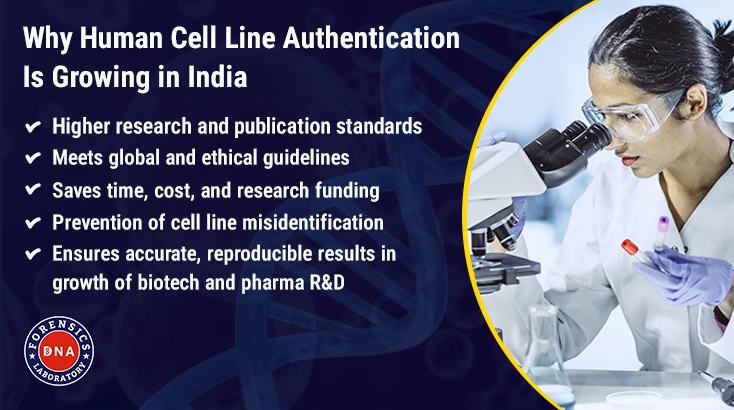
Why Human Cell Line Authentication in India Is Growing So Quickly
With the rise of biotechnology, pharmaceutical manufacturing, and vaccine development in India, more laboratories are becoming aware of the risks associated with unauthenticated cell lines. Many global journals, regulatory bodies, and funding agencies are now trying to look at the cell line’s authentication results to take the next step.
Cell Line Authentication DNA Test and Its Role in Research Integrity
A Cell Line Authentication DNA Test checks the genetic markers of a cell line and confirms if the cell identity is correct. DNA profiling is the most trusted method for detecting contamination, mismatch, or drift. This test is essential for all institutions that rely on cell-based work.
DNA Forensics Laboratory Pvt. Ltd.- Offering Accurate & Dependable Cell Line Authentication Tests
At DNA Forensics Laboratory, we are one of the leading organizations offering these services. With over 10 years in the field, the company serves individuals, government bodies, private institutions, and global clients. Their advanced infrastructure and expert team make them a trusted choice for cell line authentication.
They provide accurate and dependable DNA testing services, including:
- Paternity and maternity DNA tests for peace of mind and legal purposes
- Other relationship-based DNA tests
- Specialized authentication for research cell lines
We are preferred and frequently chosen by:
- Biotechnology firms
- Pharmaceutical companies
- Vaccine development centers
- Reputed research institutes across India and abroad
Our cell line authentication tests deliver precise, dependable results that help researchers maintain high scientific standards. The reports are clear, internationally acceptable, and suitable for all publication and documentation needs.
Conclusion
Authentic cell lines safeguard research quality, protect years of effort, and strengthen scientific credibility. As research advances, verifying cell identity becomes more important than ever.
For accurate and trusted Cell Line Authentication in India, you can contact us by calling at +91 8010177771 or just WhatsApp at +91 9266615552.
Frequently Asked Questions
What is cell line authentication?
Cell line authentication is a DNA-based process that confirms a cell line’s true identity, purity, and consistency, ensuring researchers work with correct, uncontaminated, and reliable cells.
What are three types of authentication?
The test detects three major errors: misidentification at the source, cross-contamination with other cell lines, and genetic drift that develops as cells repeatedly divide over time.
What is STR analysis for cell line authentication?
STR analysis is a DNA profiling method that compares genetic markers of a cell line with reference data to verify identity and detect contamination or genetic variations.