In today’s fast-paced digital world, technology is transforming the way we live, and smart home products are at the center of this change. From controlling lights with a voice command to monitoring home security remotely, smart home devices are designed to make daily life more convenient, efficient, and secure. As internet connectivity and automation technology improve, smart homes are no longer a luxury but a practical upgrade for modern households.
What Are Smart Home Products?
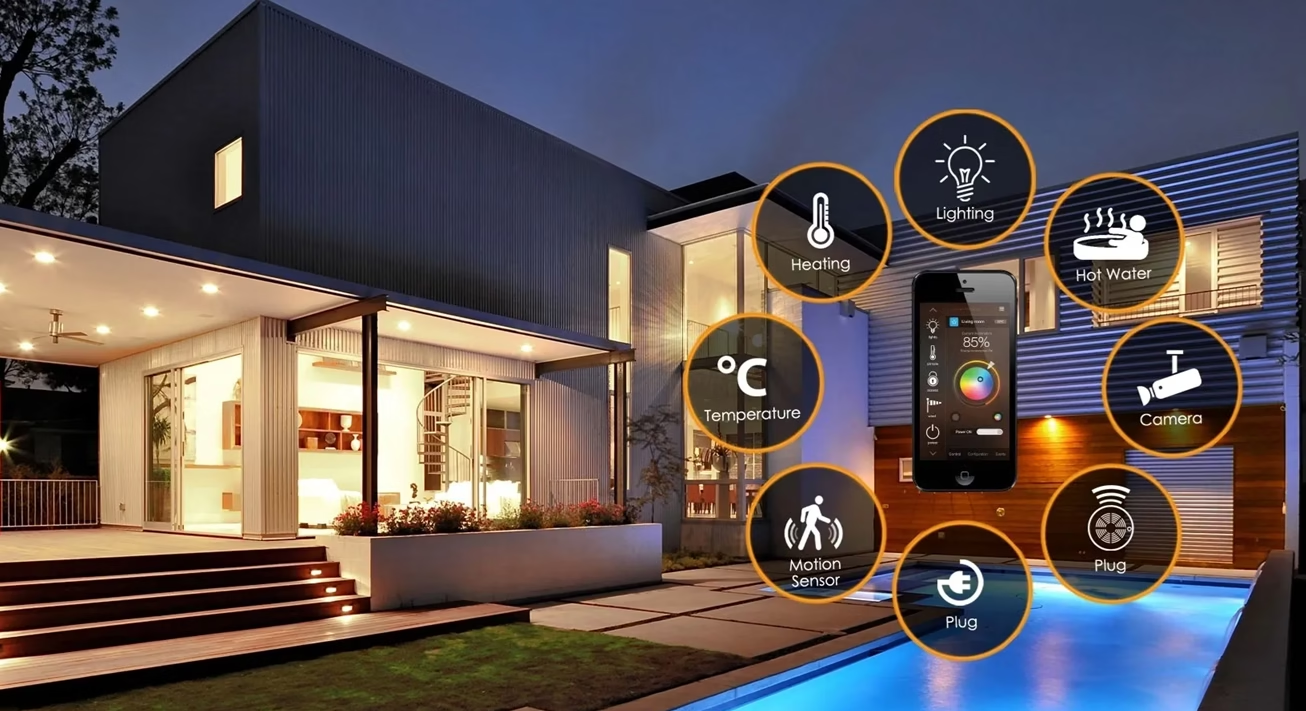
Smart home products are internet-connected devices that allow homeowners to control, monitor, and automate various household functions. These devices usually work through smartphones, tablets, or voice assistants such as Alexa, Google Assistant, or Siri. By using sensors, artificial intelligence, and wireless networks, smart home systems can learn user preferences and perform tasks automatically.
Popular Types of Smart Home Products
1. Smart Lighting
Smart bulbs and lighting systems allow users to control brightness, color, and schedules using mobile apps or voice commands. They help save energy by turning off lights automatically when rooms are empty and create customized lighting for different moods or activities.
2. Smart Security Systems
Home security is one of the biggest reasons people invest in smart home technology. Smart cameras, video doorbells, motion sensors, and smart locks provide real-time alerts and remote monitoring. Users can check live footage, receive notifications of unusual activity, and lock or unlock doors from anywhere.
3. Smart Thermostats
Smart thermostats learn your temperature preferences and adjust heating or cooling automatically. They help reduce energy consumption and lower electricity bills by optimizing usage based on occupancy and weather conditions.
4. Smart Speakers and Voice Assistants
Smart speakers act as the control hub for many smart home devices. They allow users to play music, check the weather, set reminders, control appliances, and get instant information using voice commands.
5. Smart Kitchen Appliances
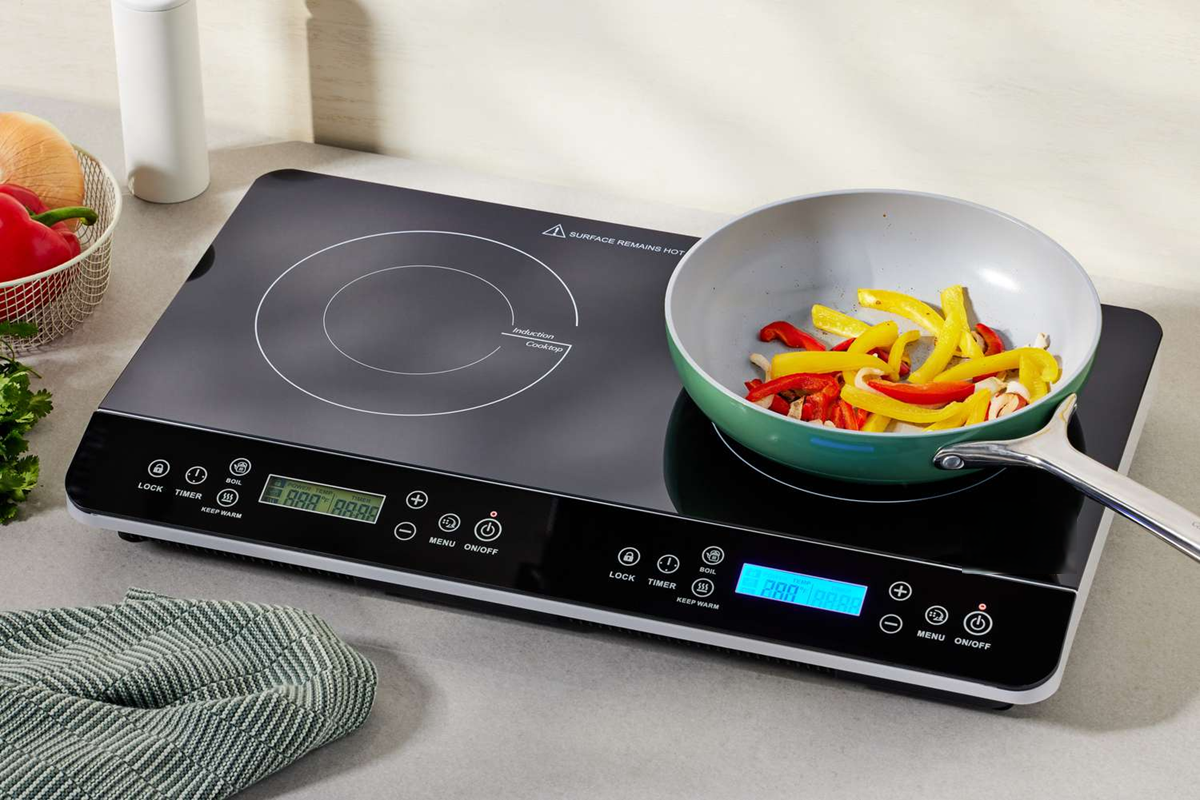
From smart refrigerators to intelligent coffee makers, kitchen appliances are becoming more connected. These devices can track food inventory, suggest recipes, and even start cooking remotely, making meal preparation easier and more efficient.
6. Smart Plugs and Switches
Smart plugs and switches convert regular appliances into smart ones. They allow remote control, scheduling, and energy monitoring, helping users manage power consumption effectively.
Benefits of Smart Home Products
Convenience and Comfort
Smart home products simplify everyday tasks. Whether it’s adjusting room temperature without getting up or turning off appliances remotely, automation saves time and effort.
Energy Efficiency
By optimizing energy usage, smart home devices help reduce electricity bills and environmental impact. Automated lighting, thermostats, and power monitoring ensure energy is not wasted.
Enhanced Security
Real-time alerts, remote access, and continuous monitoring provide peace of mind. Smart security systems allow homeowners to stay connected to their property even when they are away.
Customization and Control
Smart home systems can be customized based on user preferences. From setting routines to scheduling tasks, homeowners have complete control over how their home operates.
Increased Property Value
Homes equipped with smart technology are more attractive to buyers and renters. Smart features add modern appeal and can increase the overall value of a property.
Challenges of Smart Home Technology
While smart home products offer many advantages, there are some challenges to consider. Privacy and data security are important concerns, as connected devices collect and store user information. Compatibility issues between different brands can also make setup complicated. Additionally, smart devices depend heavily on stable internet connectivity.
How to Choose the Right Smart Home Products
When selecting smart home products, it is important to consider compatibility, ease of use, security features, and customer support. Choosing devices that work within the same ecosystem can make integration smoother. Reading reviews and checking software update policies can also help ensure long-term reliability.
The Future of Smart Homes
The future of smart home technology looks promising. With advancements in artificial intelligence, machine learning, and the Internet of Things (IoT), smart homes will become more intuitive and responsive. Future systems are expected to predict user needs, improve energy efficiency further, and offer enhanced security through advanced analytics.
Conclusion
Smart home products are redefining modern living by offering convenience, safety, and efficiency. Whether you start with smart lighting or invest in a complete home automation system, these technologies can significantly improve quality of life. As technology continues to evolve, smart homes will become smarter, more affordable, and more accessible to everyone. Investing in smart home products today is a step toward a more connected and comfortable future.
FlixHQ: The Rise, Function & Future of Free Online Streaming