
Introduction
If you mean Bali bells as a fashion or decorative item, they generally refer to small hanging bells inspired by Balinese décor and craftsmanship. They are commonly used for home decoration, gardens, balconies, entrances, meditation spaces, and festive settings.
Bali bells are beautiful decorative bells associated with the artistic traditions and relaxed atmosphere of Bali, Indonesia. With their gentle sound, natural materials and handcrafted appearance, these bells have become popular among people who want to add a peaceful, tropical or bohemian touch to their surroundings.
They can be used in gardens, balconies, entrances, patios, meditation spaces and indoor corners. Some designs feature wood, bamboo, metal, shells or combinations of natural materials. Their appeal comes not only from their appearance but also from the soft sound they produce when moved by air.
Whether you are decorating a home, creating a peaceful outdoor space or searching for a distinctive handcrafted gift, Bali bells can offer a simple way to bring character and warmth to a setting.
What Are Bali Bells?
Bali bells are decorative hanging bells inspired by Balinese craftsmanship and tropical décor. Many are designed to be suspended from ceilings, doorways, trees, balconies or outdoor structures.
Traditional-inspired designs often use natural materials and simple handmade details. Bamboo and wood are especially popular because they complement the natural surroundings associated with Bali. Metal bells may also be incorporated to create a clearer and more noticeable sound.
Unlike ordinary decorative objects that remain visually static, hanging bells can interact with their surroundings. Wind gently moves the hanging pieces, producing a soft ringing sound while also creating movement.

The Cultural Appeal of Bali Bells
Bali has a strong tradition of decorative arts and craftsmanship. Decorative objects made from natural materials are commonly associated with the island’s architecture, gardens and artistic culture.
However, it is important to distinguish between Bali-inspired decorative bells and objects with specific religious or ceremonial significance. Not every bell sold as a Bali bell has a religious purpose. Many modern products are created primarily for interior decoration, landscaping or personal use.
For this reason, buyers should consider the origin and description of a product before assuming that a particular design has a specific cultural meaning.
Popular Types of Bali Bells
Bali bells are available in many styles, making them suitable for different decorating themes.
1. Bamboo Bells
Bamboo bells are among the most recognizable choices for tropical and natural décor. Bamboo tubes or pieces are arranged to create gentle sounds when they move in the breeze.
They work especially well on balconies, patios, gardens and verandas.
2. Wooden Bells
Wooden designs offer a warm and earthy appearance. Carved or naturally finished wood can give a bell a handcrafted character.
Wooden Bali bells can complement rustic, bohemian and coastal interiors.
3. Metal Bells
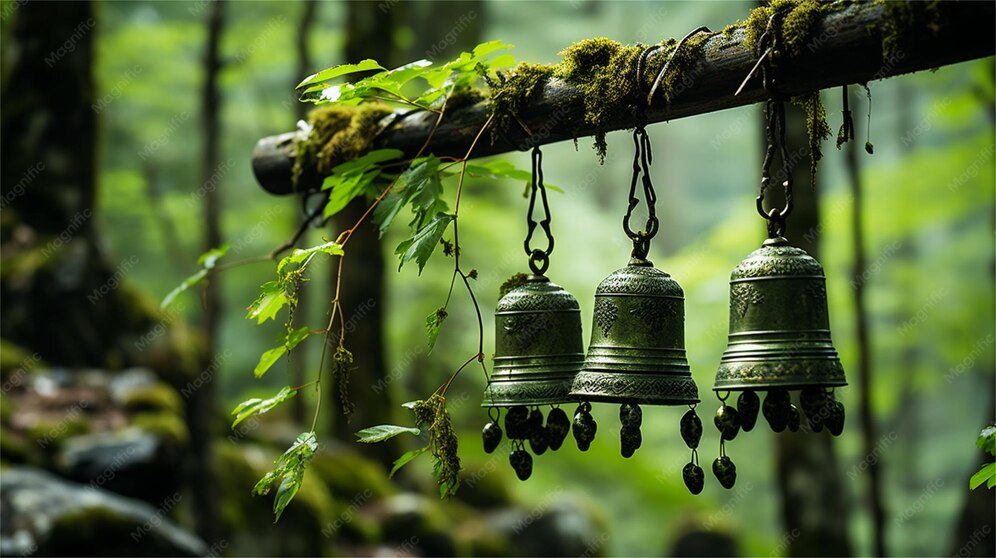
Metal bells usually produce a more defined ringing sound. They may feature decorative patterns, aged finishes or artistic shapes.
These designs are suitable for entrances, gardens and outdoor sitting areas where a stronger sound is preferred.
4. Shell and Natural-Material Bells
Some Bali-inspired hanging decorations combine bells with shells, beads, rope, coconut materials or other natural elements. These designs are particularly popular in coastal and beach-inspired décor.
5. Mixed-Material Bells
Contemporary products may combine bamboo, wood, metal and decorative fibers. These mixed designs can provide both visual interest and a variety of sounds.
Where Can You Use Bali Bells?
One advantage of Bali bells is their versatility. They can be used in many parts of a home or outdoor space.

Balcony: Hang a small bell near a railing where natural airflow can create movement.
Garden: Place larger bells near plants, pathways or seating areas for a relaxed outdoor atmosphere.
Entrance: A decorative bell near a doorway can create an attractive first impression.
Patio: Larger designs can become a focal point above an outdoor seating area.
Meditation space: Soft sounds can complement a quiet environment, although the sound should not be distracting.
Indoor décor: Smaller bells can be displayed near windows, shelves or decorative corners.
How Bali Bells Can Improve Home Décor
Bali bells work particularly well with interior styles that emphasize natural textures. They can complement wooden furniture, plants, woven baskets, jute rugs, cane furniture and neutral-colored fabrics.
For a coastal look, choose bells featuring shells and light-colored materials. For a rustic room, wooden or aged-metal designs may work better. A bamboo bell can suit a tropical-themed balcony surrounded by green plants.
The key is balance. A single well-placed bell can make a stronger decorative statement than filling a room with too many hanging objects.
How to Choose the Right Bali Bell
Before buying a Bali bell, consider several practical factors.
Check the Material
Choose a material according to where you plan to use the bell. Bamboo and untreated wood may require more care when exposed to rain and humidity. Metal can be more suitable for certain outdoor locations, depending on its finish and construction.
Consider the Sound
Not every bell produces the same sound. Some are soft and subtle, while others are louder and sharper. If possible, check product descriptions or reviews for information about sound quality.
Select the Appropriate Size
Small bells are suitable for windows and indoor spaces. Larger bells can work better in gardens, patios and spacious balconies.
Look at Craftsmanship
Pay attention to the finishing, hanging cord, joints and overall construction. Handmade imperfections can add character, but the product should still be sturdy enough for its intended use.
Match Your Décor
Choose colors and materials that complement your existing furniture and surroundings instead of competing with them.
Maintenance Tips for Bali Bells
Outdoor bells can collect dust, moisture and dirt over time. Regularly wipe them with an appropriate dry or slightly damp cloth. Natural materials should be protected from prolonged exposure to harsh weather when recommended by the manufacturer.
If a bell has metal components, inspect them periodically for rust or corrosion. Also check the hanging rope or cord because it can weaken after long exposure to sunlight and moisture.
During severe weather, moving delicate bells indoors can help extend their life.
Bali Bells as Gifts
Bali bells can make attractive gifts for people who enjoy home décor, gardening, meditation spaces or handcrafted products. They are especially suitable for housewarming occasions, birthdays and festive gifting.
A carefully selected bell can be both decorative and functional, making it more distinctive than many conventional décor items.
Conclusion
Bali bells combine natural beauty, craftsmanship and gentle sound in a simple decorative object. From bamboo and wooden designs to metal and shell-based creations, there are many options available for different tastes and spaces.
They can add character to balconies, gardens, patios, entrances and indoor areas while creating a relaxed atmosphere. When choosing one, consider its material, size, sound, craftsmanship and intended location.
With the right placement and basic care, a Bali bell can become a charming part of home décor while bringing a touch of tropical and handcrafted style to everyday surroundings.