Introduction
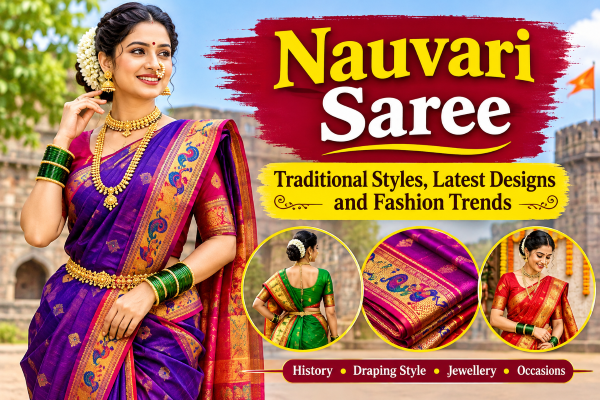
The Nauvari saree is one of the most beautiful and culturally significant traditional outfits in India. Known for its distinctive nine-yard length, elegant draping style and rich Maharashtrian heritage, this saree represents the beauty, confidence and traditions of Indian women. Unlike the conventional six-yard saree, the Nauvari saree is draped in a unique way that resembles a dhoti, allowing women to move comfortably while maintaining a graceful appearance.
Popularly worn during weddings, festivals, religious ceremonies and cultural celebrations, the Nauvari saree continues to attract attention among women who appreciate traditional Indian fashion. Today, designers are introducing modern colours, fabrics, borders and styling options to make this traditional outfit suitable for contemporary occasions.
What Is a Nauvari Saree?
A Nauvari saree is a traditional Maharashtrian saree made from approximately nine yards of fabric. The word “Nauvari” comes from the Marathi words meaning nine yards. It is also known as the Kashta saree because of its distinctive draping technique.
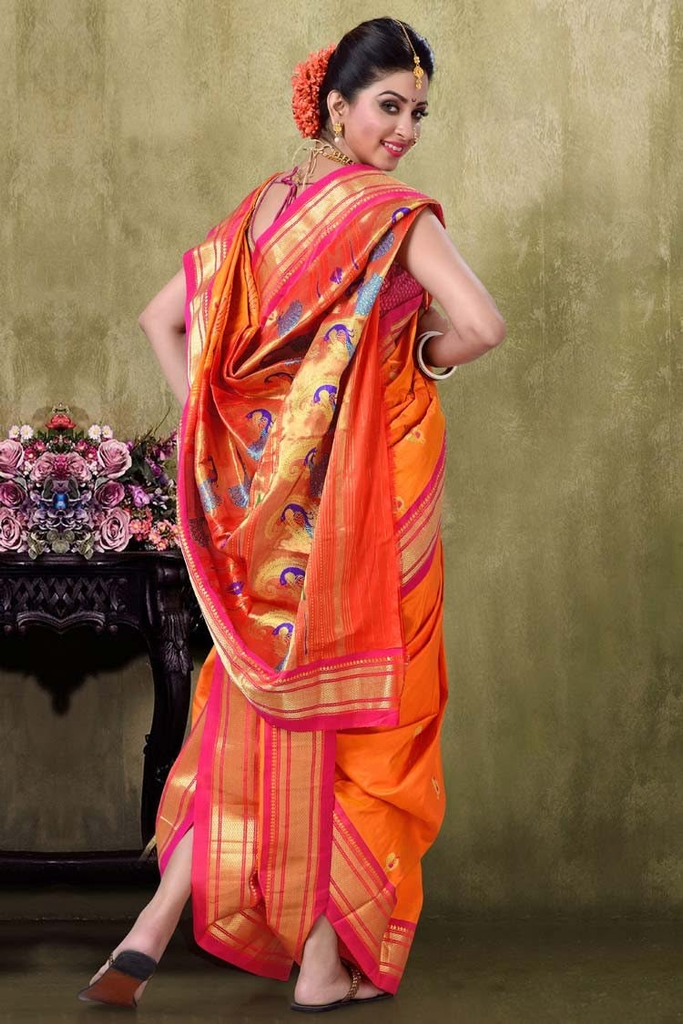
The most noticeable feature of this saree is its dhoti-style arrangement. Instead of wearing a separate petticoat, the fabric is wrapped around the waist and divided between the legs. The remaining material is arranged around the upper body and shoulder.
This traditional draping method creates a comfortable outfit that allows women to walk, dance and perform everyday activities easily. Nauvari sarees are particularly popular in Maharashtra, although their popularity has expanded to other parts of India.
History and Cultural Importance of Nauvari Saree
The history of the Nauvari saree is closely connected with Maharashtrian culture and traditions. Historically, women wore this nine-yard saree for daily activities, agricultural work and other household responsibilities.
Its practical draping style provided freedom of movement while maintaining traditional modesty. The outfit also became associated with the bravery and strength of Maharashtrian women.
During the Maratha period, women warriors were sometimes depicted wearing Nauvari sarees in a dhoti-style arrangement. This helped establish the outfit as a symbol of courage, independence and cultural identity.
Over the years, the Nauvari saree became an important part of Maharashtrian weddings, festivals, religious celebrations and folk performances. Even today, many women proudly wear it to represent their cultural heritage.
Popular Types of Nauvari Sarees
Nauvari sarees are available in different fabrics, designs and traditional patterns. Each style offers a unique appearance suitable for different occasions.
1. Paithani Nauvari Saree
Paithani Nauvari sarees are among the most luxurious traditional options. Originating from Paithan in Maharashtra, these sarees are recognised for their beautiful silk fabric, colourful patterns and intricate zari work.
Peacock motifs, floral designs and traditional borders make Paithani sarees popular for weddings and special celebrations.
2. Cotton Nauvari Saree
Cotton Nauvari sarees are comfortable, lightweight and suitable for daytime occasions. They are particularly useful during summer because cotton fabric allows better airflow.
Women often choose cotton Nauvari sarees for traditional ceremonies, cultural events and festive gatherings.
3. Silk Nauvari Saree
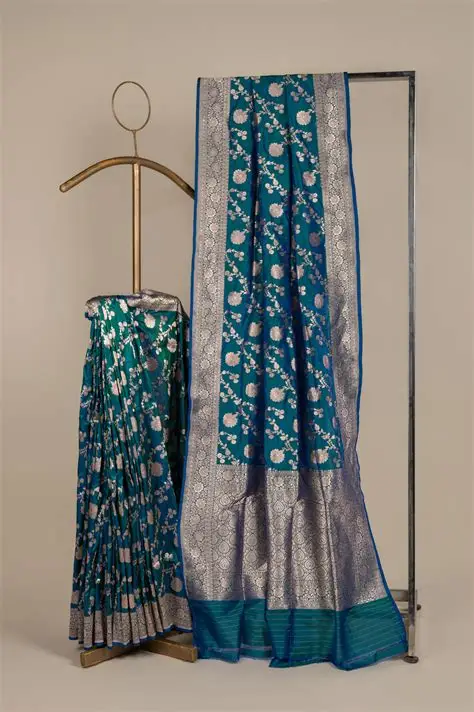
Silk Nauvari sarees offer a rich and elegant appearance. Their smooth texture, attractive shine and decorative borders make them ideal for weddings and grand celebrations.
Red, green, purple and golden silk designs are especially popular among women who prefer a traditional festive look.
4. Banarasi Nauvari Saree
Banarasi-inspired Nauvari sarees combine the beauty of traditional Maharashtrian draping with the luxurious appearance of Banarasi weaving. Their detailed zari patterns and rich fabric make them suitable for wedding functions and formal occasions.
Latest Nauvari Saree Fashion Trends
Traditional fashion is constantly evolving, and Nauvari sarees are becoming increasingly popular among younger generations. Designers are experimenting with new colours, fabrics and accessories while preserving the original draping style.
Some popular fashion trends include:
- Pre-stitched Nauvari sarees: These sarees simplify the traditional draping process and are convenient for beginners.
- Designer Nauvari sarees: Modern embroidery, decorative borders and stylish patterns create a fashionable appearance.
- Pastel Nauvari sarees: Colours such as peach, lavender, mint green and powder pink offer a contemporary look.
- Traditional red Nauvari sarees: Red remains a favourite choice for weddings and religious ceremonies.
- Contrast-border sarees: Bright combinations such as green with pink, purple with gold and orange with red create attractive festive outfits.
These styles allow women to enjoy traditional Maharashtrian fashion while expressing their individual preferences.
How to Wear a Nauvari Saree
Wearing a Nauvari saree requires a slightly different technique compared with a regular saree. Although the traditional draping process may seem complicated initially, it becomes easier with practice.
Here are some basic steps:
- Start by tucking one end of the saree securely into the waist.
- Wrap the fabric around your waist and bring it towards the front.
- Create pleats and arrange them neatly.
- Divide the remaining fabric between the legs to create the dhoti-style appearance.
- Secure the fabric comfortably at the back and waist.
- Drape the remaining portion over your shoulder in a traditional pallu style.
Women who are unfamiliar with this technique can choose pre-stitched Nauvari sarees for easier styling.
Jewellery and Accessories to Complete the Look
Traditional jewellery plays an important role in completing a beautiful Nauvari saree outfit. Maharashtrian women often combine this saree with traditional ornaments to create an authentic appearance.
Popular accessories include:
- Nath: A traditional Maharashtrian nose ring that adds cultural beauty.
- Thushi necklace: A traditional gold necklace that complements silk sarees.
- Kolhapuri saaj: A beautiful traditional necklace associated with Maharashtrian jewellery.
- Green glass bangles: These create a classic festive appearance.
- Traditional kamarbandh: A waist belt that enhances the saree’s overall look.
- Bindi and traditional hairstyle: These complete the Maharashtrian-inspired appearance.
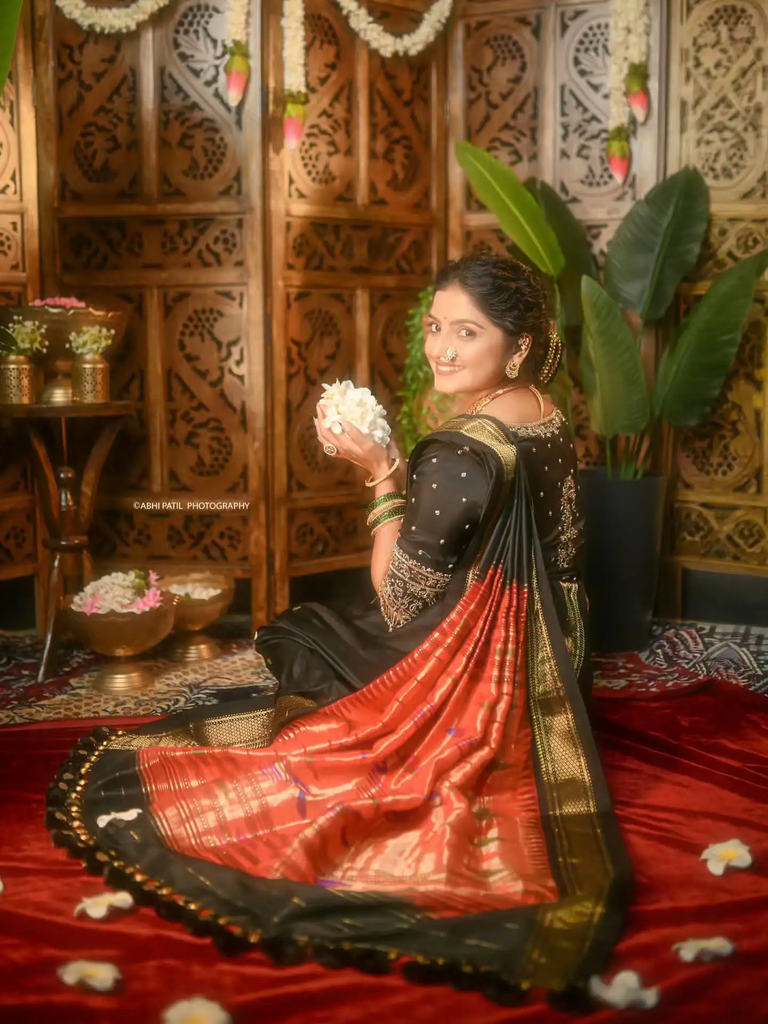
For weddings, women can choose gold jewellery, while lightweight ornaments are suitable for daytime festivals.
Occasions to Wear a Nauvari Saree
The Nauvari saree is suitable for several traditional and cultural occasions. Women commonly wear it during Ganesh Chaturthi, Gudi Padwa, Navratri, weddings and family celebrations.
It is also popular during Maharashtrian folk performances, Lavani dance programmes and cultural festivals. Some brides choose beautifully decorated Nauvari sarees for their wedding ceremonies because of their historical and cultural significance.
With modern designs and comfortable fabrics, this saree can also be styled for photography sessions, festive parties and traditional fashion events.
Tips for Choosing the Perfect Nauvari Saree
Before purchasing a Nauvari saree, consider the occasion, fabric quality, colour and draping requirements.
For weddings, silk and Paithani sarees are excellent choices because of their luxurious appearance. Cotton sarees are more practical for everyday traditional wear and summer events.
Choose colours that complement your personal style and the occasion. Also, check the fabric length, stitching quality and border finishing before purchasing a pre-stitched design.
If you are buying your first Nauvari saree, selecting an easy-to-wear pre-stitched option can make the experience more comfortable.
Conclusion
The Nauvari saree is much more than a traditional Indian outfit. It represents Maharashtrian heritage, cultural pride, feminine strength and timeless fashion. Its unique nine-yard draping style makes it different from conventional sarees, while its beautiful fabrics and traditional patterns create an elegant appearance.
From luxurious Paithani silk designs to comfortable cotton options, Nauvari sarees offer something for every occasion. Modern fashion trends have also made this traditional outfit more accessible to younger women.
Whether worn during weddings, festivals or cultural celebrations, the Nauvari saree continues to preserve the beauty of Maharashtrian traditions while remaining an important part of India’s fashion heritage.