Introduction
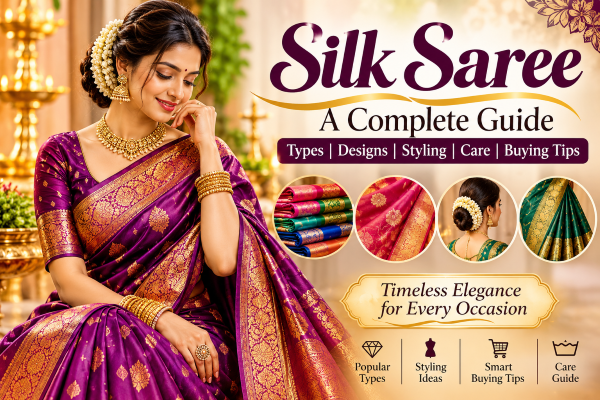
A silk saree is one of the most admired forms of traditional Indian clothing. Known for its smooth texture, elegant shine, rich colours and detailed craftsmanship, a silk saree can transform a simple occasion into a memorable celebration. It is worn for weddings, festivals, religious ceremonies, family functions, receptions and many other special events.
Silk sarees are available in many regional styles. Banarasi silk, Kanjivaram silk, Mysore silk, Tussar silk, Paithani and different varieties of handwoven silk each have their own identity. Their designs often reflect the culture, history and craftsmanship of the region where they are produced.
Today, silk sarees are not limited to traditional wardrobes. Designers and fashion enthusiasts are experimenting with lighter fabrics, contemporary colours, modern blouses and minimalist accessories. This has made silk sarees suitable for both traditional and modern fashion preferences.
What Is a Silk Saree?
A silk saree is a saree made primarily from silk fibres. Silk is a natural protein fibre traditionally obtained from silkworm cocoons. The fibre can be processed into yarn and woven into different fabrics.
The characteristics of a silk saree can vary depending on the type of silk, weaving method, region, dyeing process and craftsmanship.
Some silk sarees are lightweight and comfortable for extended wear, while others are heavier because of dense weaving, zari work or elaborate patterns.
One of the most attractive features of silk is its natural lustre. Unlike some synthetic fabrics that have an artificial shine, good-quality silk generally has a soft and sophisticated appearance.
Why Are Silk Sarees So Popular?
Silk sarees have remained popular for generations because they combine traditional craftsmanship with timeless fashion.
1. Elegant appearance
The natural sheen of silk gives the saree a luxurious appearance. Even a relatively simple silk saree can look sophisticated when paired with the right blouse and accessories.
2. Suitable for celebrations
Silk sarees are commonly associated with weddings, festivals, religious ceremonies and important family occasions.
3. Wide variety
There are numerous varieties of silk sarees, ranging from lightweight Mysore silk to richly decorated Banarasi and Kanjivaram sarees.
4. Traditional significance
Many silk sarees represent the textile traditions of particular Indian regions. Their motifs, colours and weaving techniques often carry cultural significance.
5. Long-lasting wardrobe value
A well-maintained silk saree can remain beautiful for many years. Some sarees are even passed from one generation to another.
Popular Types of Silk Sarees
India has an enormous variety of silk weaving traditions. Here are some of the most popular options.
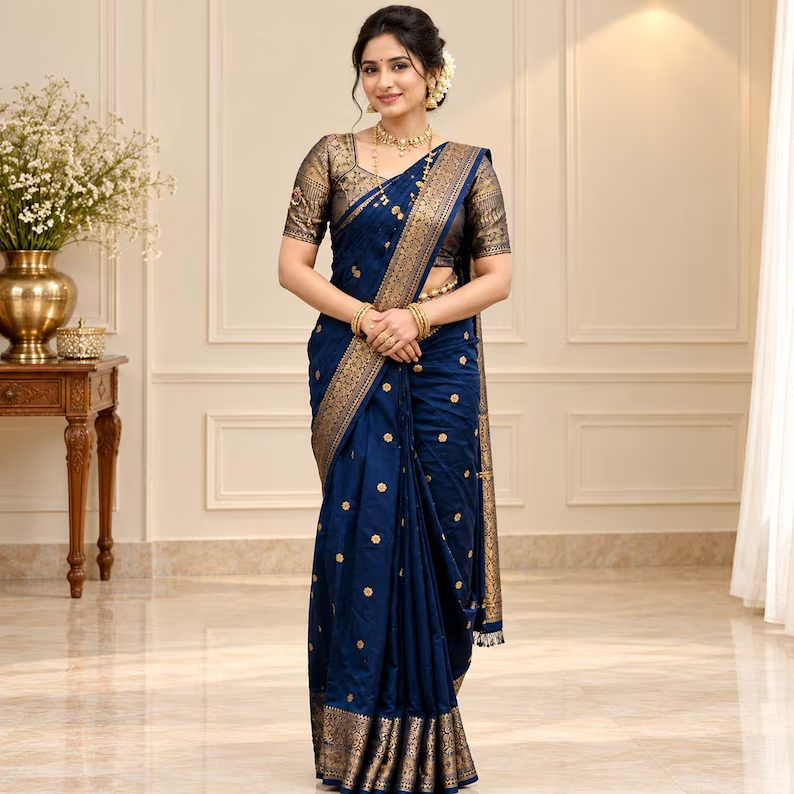
1. Kanjivaram Silk Saree
Kanjivaram silk sarees originate from Tamil Nadu and are particularly associated with weddings and South Indian celebrations.
They are known for rich colours, contrasting borders and traditional motifs. Gold zari is frequently used to create elaborate borders and pallu designs.
Peacock, temple, floral and geometric motifs are common design elements.
A Kanjivaram saree is an excellent choice for brides or anyone looking for a grand traditional appearance.
2. Banarasi Silk Saree
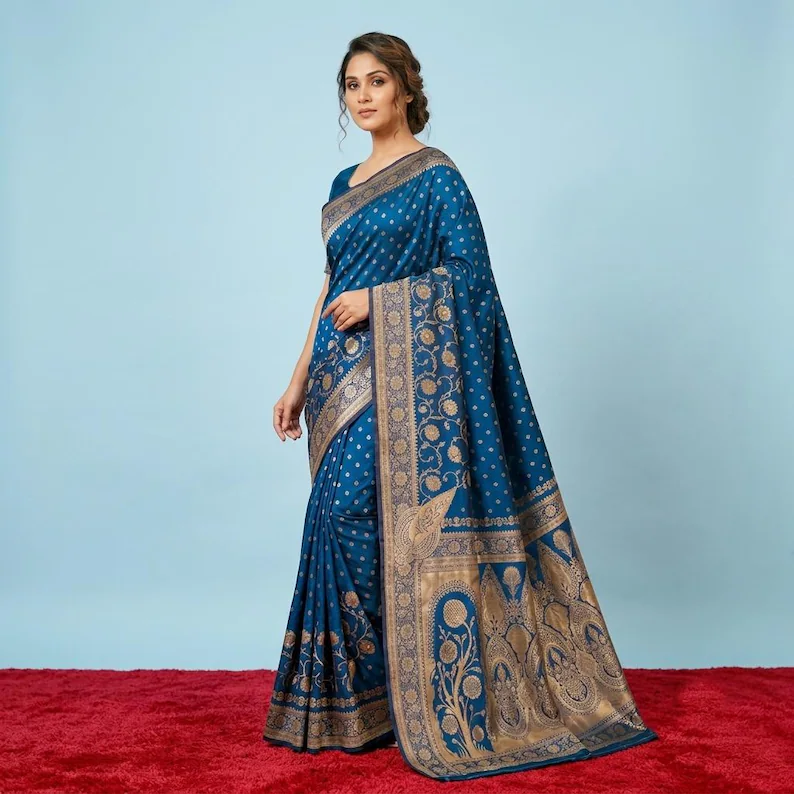
Banarasi silk sarees are associated with Varanasi in Uttar Pradesh. They are famous for intricate weaving and rich decorative patterns.
Traditional Banarasi sarees may feature floral motifs, paisley patterns, jaal designs and zari work.
They are especially popular for weddings, receptions and festive occasions.
A red or maroon Banarasi silk saree paired with traditional jewellery can create a classic bridal appearance.
3. Mysore Silk Saree
Mysore silk sarees are known for their smooth texture, lightweight feel and understated elegance.
Compared with some heavily woven silk sarees, Mysore silk can be easier to wear for longer periods.
Simple borders and rich solid colours make these sarees suitable for people who prefer sophisticated styling without excessive decoration.
4. Tussar Silk Saree
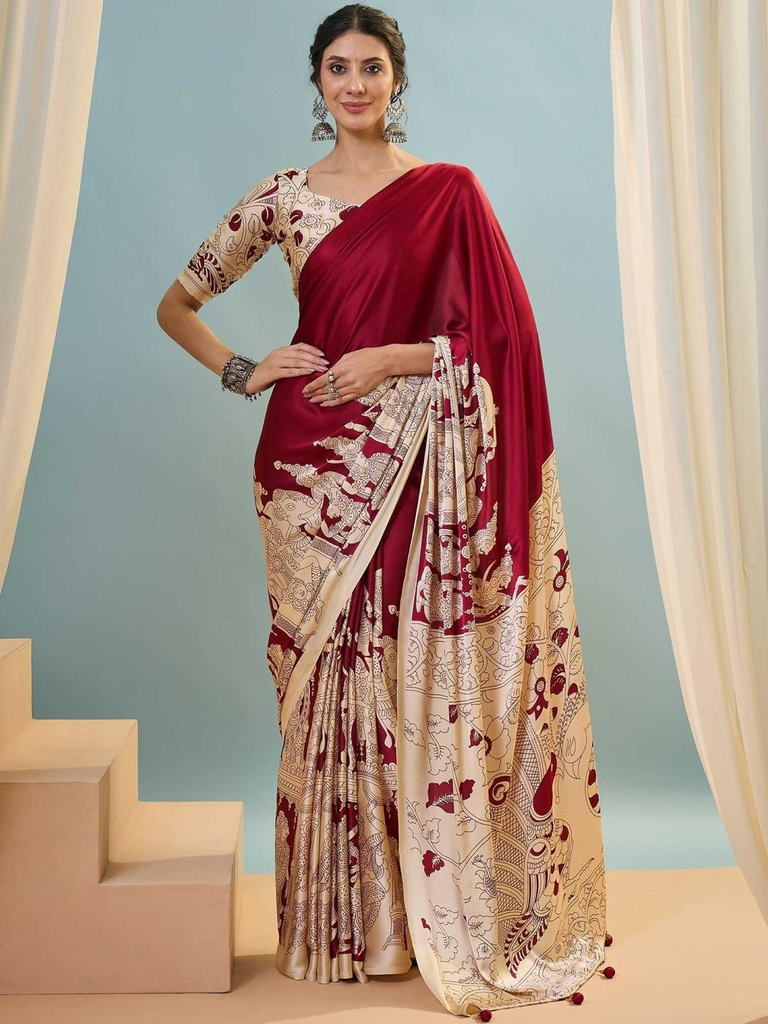
Tussar silk has a distinctive texture and natural appearance. It is often appreciated for its slightly rustic character.
Tussar sarees are available in traditional and contemporary designs. They can work particularly well for daytime functions, cultural events and semi-formal occasions.
Natural shades, earthy colours and hand-painted or printed motifs can give Tussar silk a unique appearance.
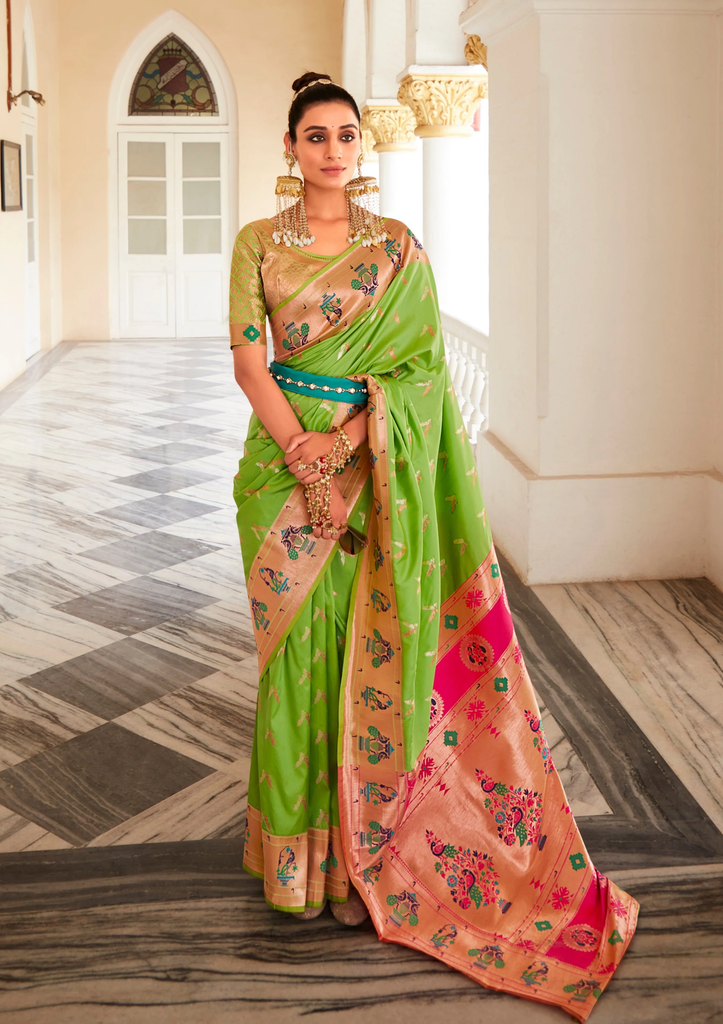
5. Paithani Silk Saree
Paithani sarees are traditionally associated with Maharashtra. They are known for colourful designs and distinctive woven motifs.
Peacock motifs are particularly popular in Paithani weaving.
Bright colours, detailed pallus and traditional borders make Paithani sarees attractive choices for festive occasions.
6. Chanderi Silk Saree
Chanderi sarees originate from Madhya Pradesh and are admired for their lightweight quality and elegant appearance.
They are often suitable for people who prefer a delicate saree rather than a heavy bridal style.
Chanderi silk sarees can be worn for festive gatherings, cultural events and daytime celebrations.
7. Bhagalpur Silk Saree
Bhagalpur silk is associated with Bihar and is known for its distinctive texture and traditional weaving heritage.
These sarees are available in a variety of colours and patterns and can provide an elegant alternative to more commonly selected silk varieties.
Popular Silk Saree Colours
Colour selection can significantly influence the overall appearance of a silk saree.
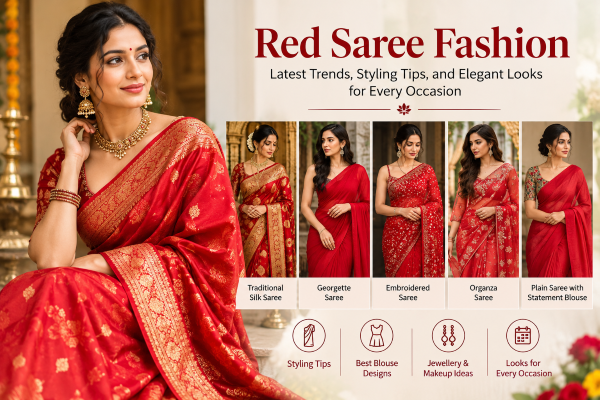
Red Silk Saree
Red is strongly associated with weddings, celebrations and traditional Indian fashion. A red silk saree can create a bold and festive appearance.
Green Silk Saree
Green works particularly well for festivals and traditional functions. Emerald, bottle green and parrot green are popular variations.
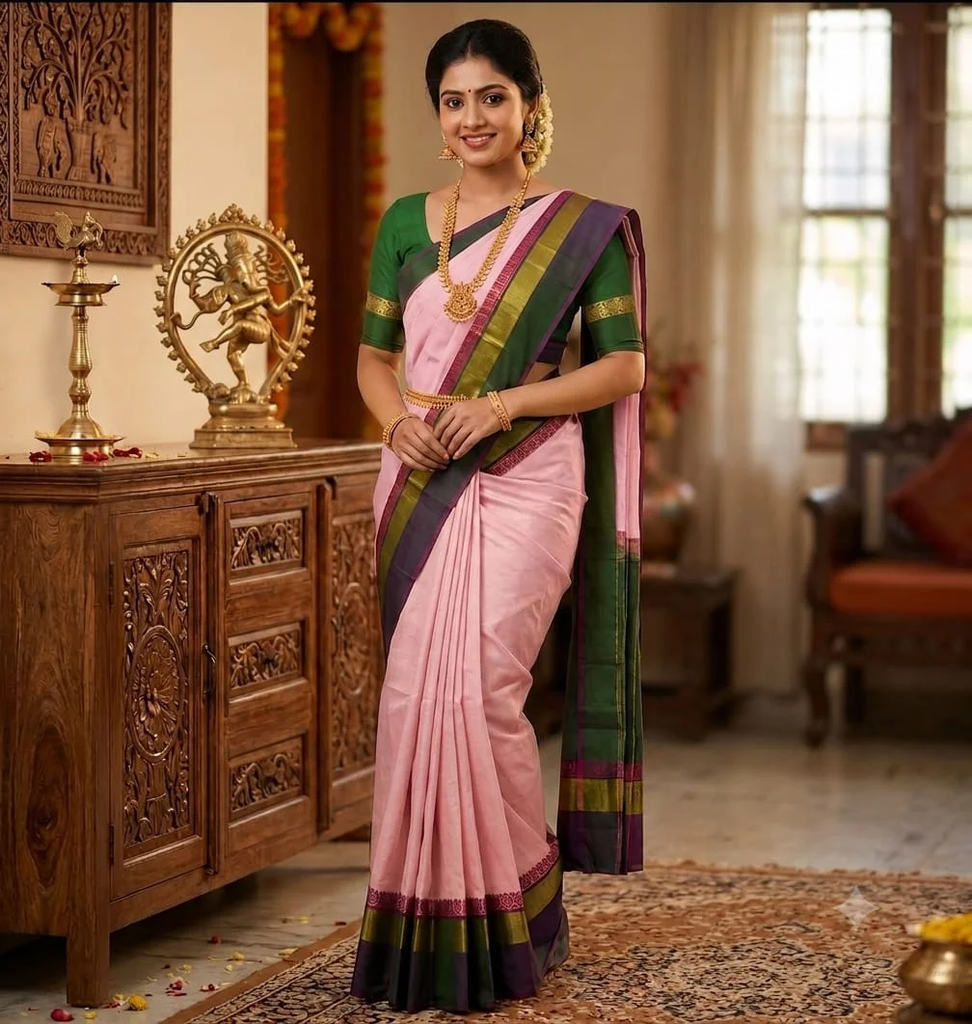
Pink Silk Saree
Pink silk sarees can create a softer and more youthful appearance. Different shades range from pastel pink to deep magenta.
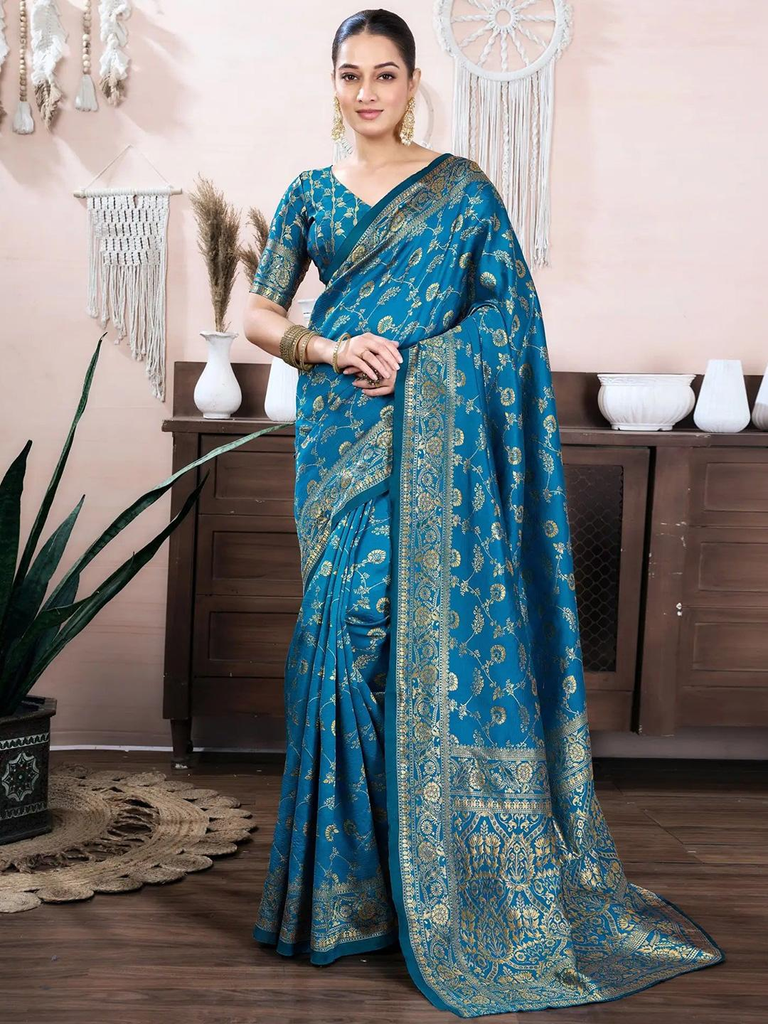
Blue Silk Saree
Royal blue, navy and peacock blue can give a silk saree a sophisticated appearance.
Golden Silk Saree
Golden tones are ideal for festive occasions. Gold shades can also be combined with contrasting borders for a richer look.
Black Silk Saree
Black silk sarees offer a modern and elegant appearance. They can be particularly attractive for evening celebrations.
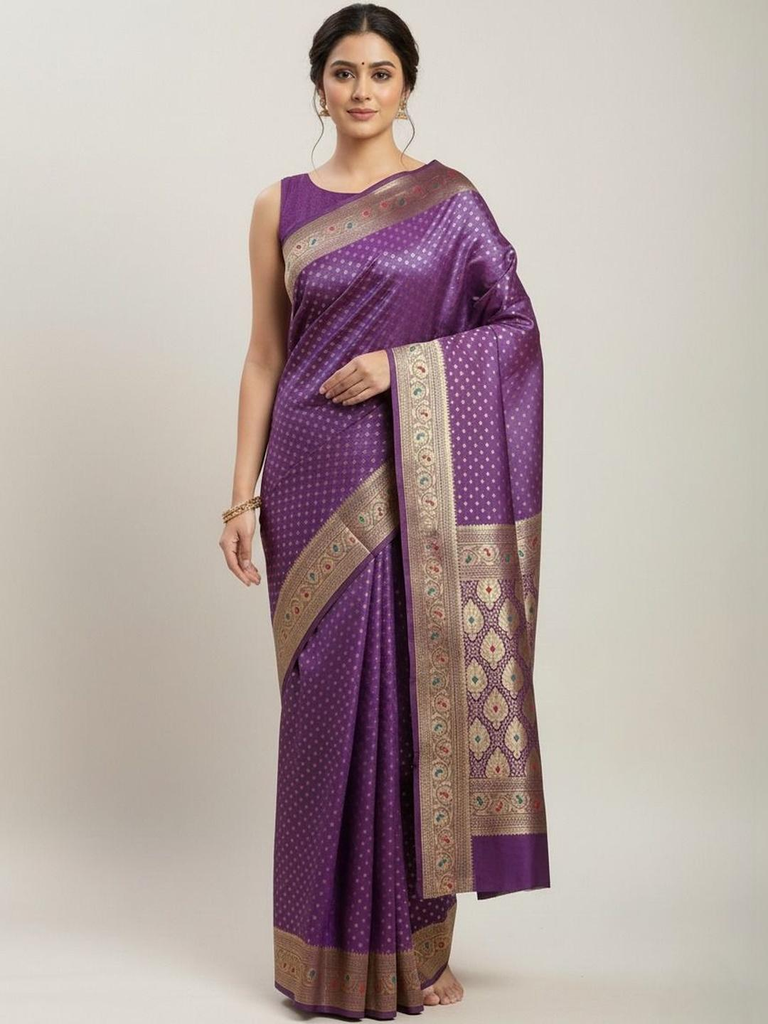
Purple Silk Saree
Purple, wine and plum shades work well for people who want a distinctive festive appearance without choosing traditional red.
Latest Silk Saree Design Ideas
Silk saree fashion continues to evolve. Traditional designs remain popular, but modern styling has introduced several new possibilities.
Minimalist Silk Sarees
Instead of heavy embroidery or extensive zari work, minimalist silk sarees focus on fabric quality, colour and a clean border.
These are ideal for people who prefer understated fashion.
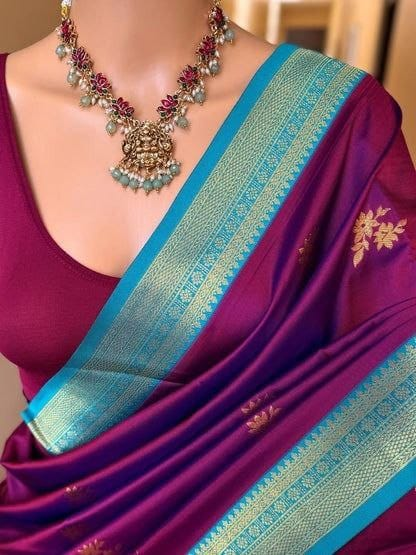
Contrast Border Silk Sarees
A contrasting border can create a strong visual effect.
For example:
- Green saree with pink border
- Purple saree with gold border
- Blue saree with red border
- Pink saree with green border
Floral Silk Sarees
Floral motifs can give traditional silk sarees a softer appearance.
Temple Motif Sarees
Temple-inspired motifs are especially popular in traditional South Indian silk sarees.
Contemporary Silk Sarees
Modern silk sarees may use unusual colour combinations, smaller borders and contemporary blouse designs.
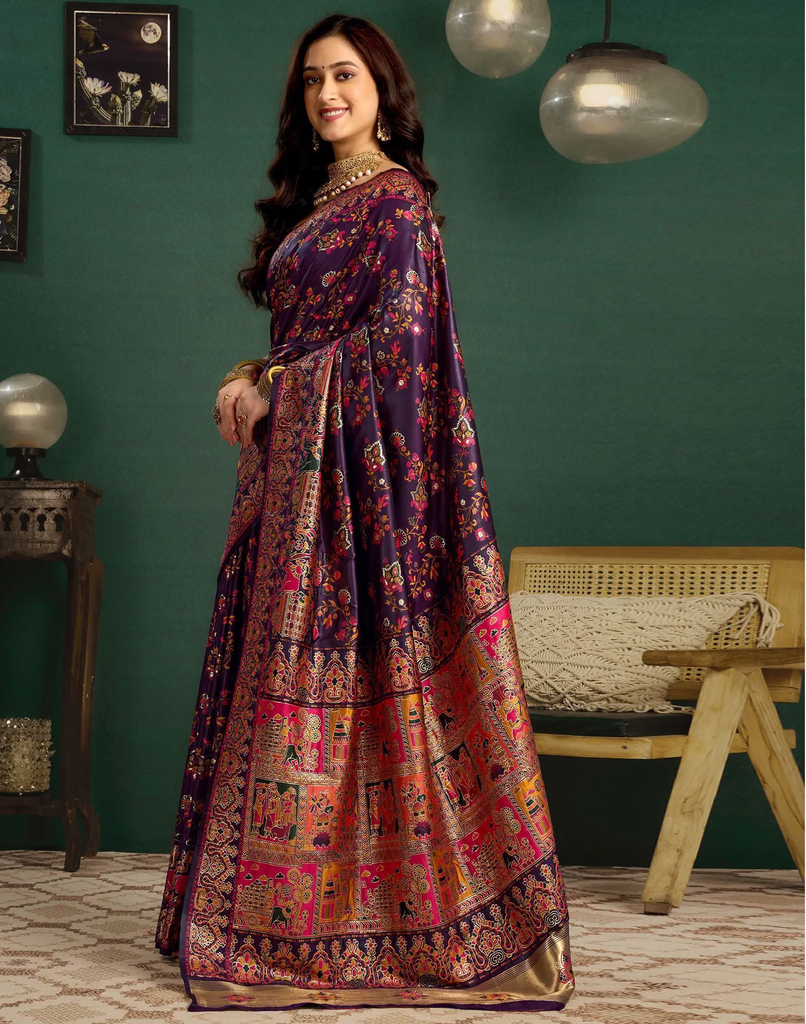
How to Choose a Silk Saree for a Wedding
Choosing the right silk saree depends on the type of wedding event.
For a traditional wedding ceremony, a richly woven Kanjivaram, Banarasi or Paithani saree can be appropriate.
For a reception, you may prefer a silk saree with a modern blouse and elegant accessories.
For a daytime wedding, lighter colours and lighter-weight silk can be comfortable.
For an evening celebration, deep shades such as wine, navy, emerald, maroon or purple can create a sophisticated appearance.
The important point is to balance the saree, blouse and jewellery instead of making every element heavily decorated.
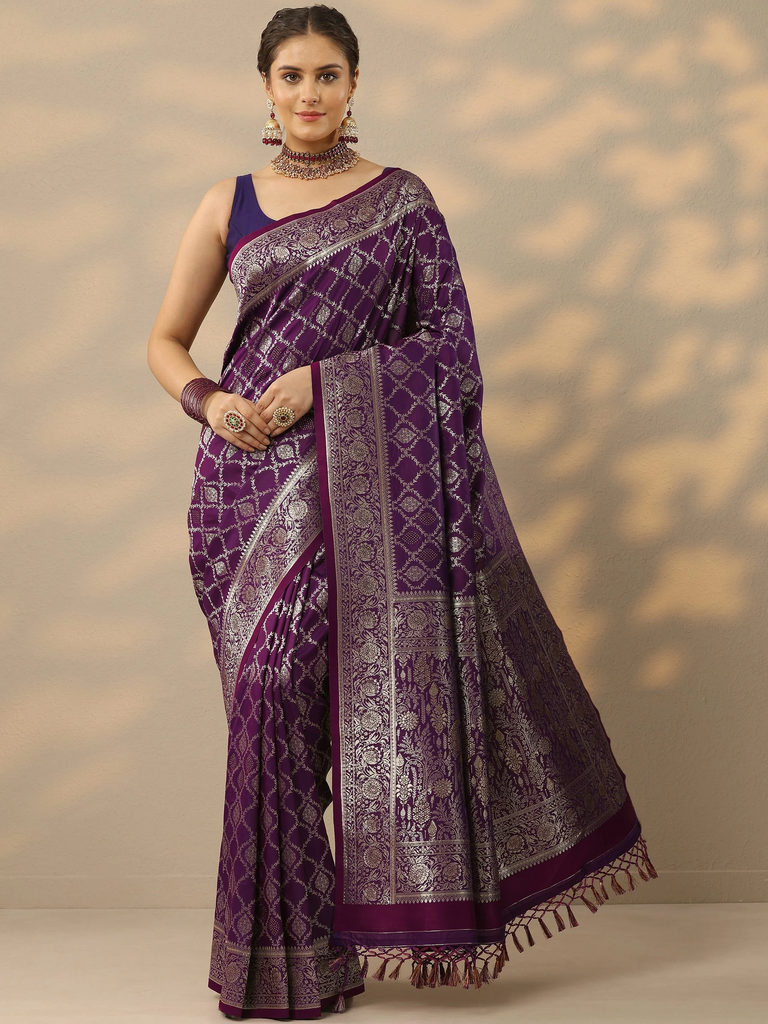
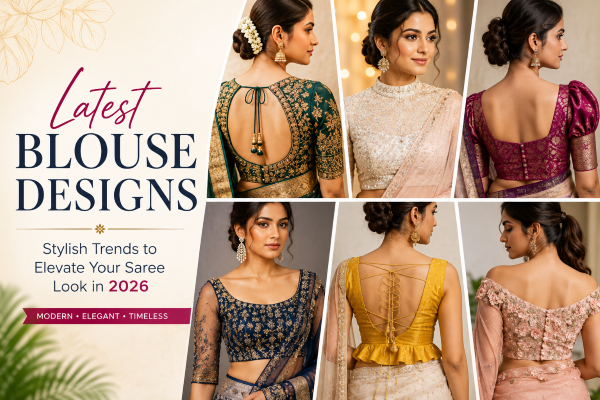
Silk Saree Blouse Ideas
The blouse can completely change the appearance of a silk saree.
Traditional blouse
A traditional blouse with elbow-length sleeves works beautifully with heavily woven sarees.
High-neck blouse
A high-neck blouse can provide a refined and contemporary appearance.
Boat-neck blouse
A boat neckline creates an elegant silhouette without appearing overly elaborate.
Sleeveless blouse
A sleeveless blouse can give a traditional saree a more modern appearance.
Embroidered blouse
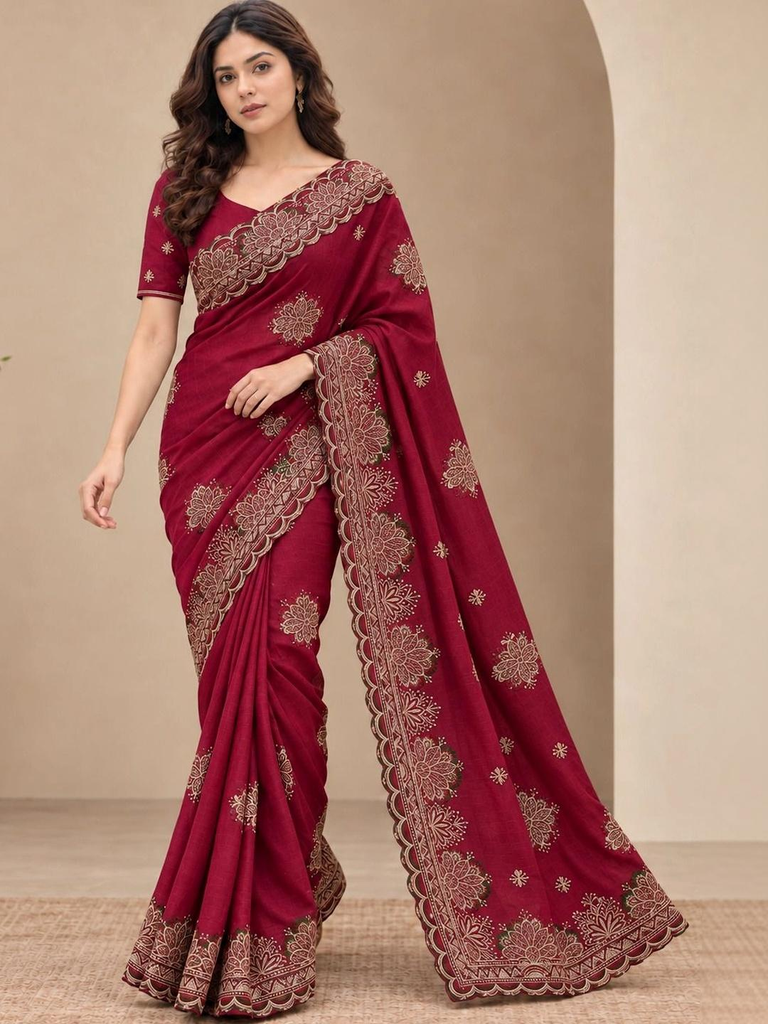
An embroidered blouse can complement a relatively simple silk saree.
Contrast blouse
A contrasting blouse can make the saree colour more prominent.
For example, a deep green silk saree can be paired with a pink or gold blouse.
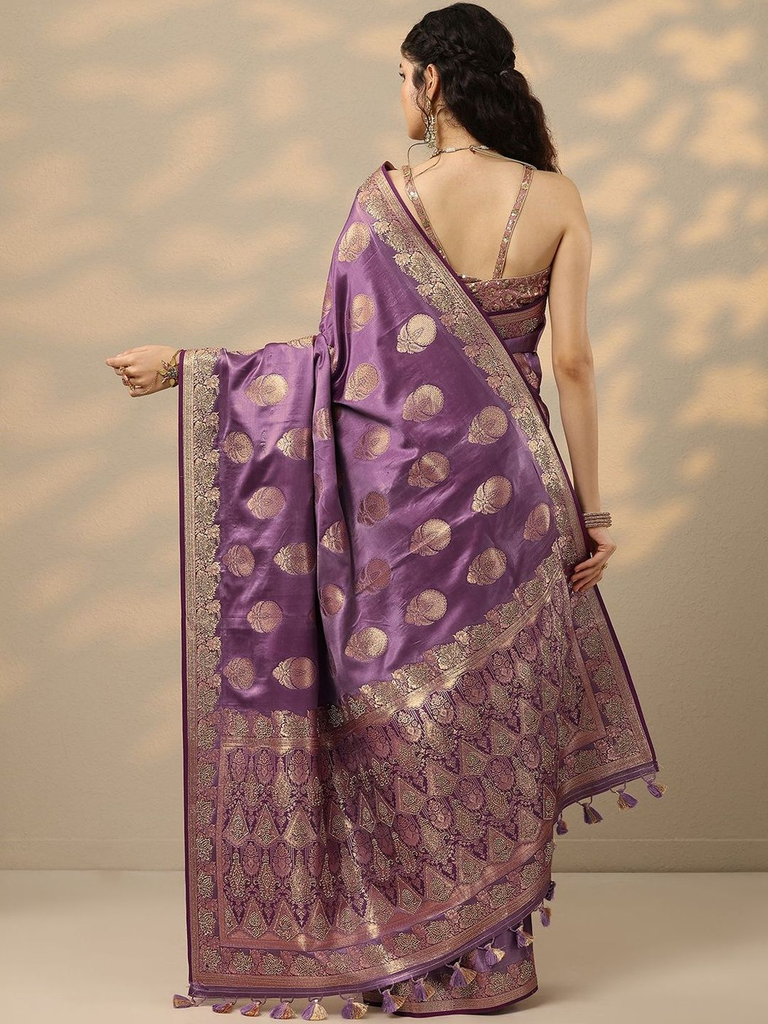
Jewellery to Wear With a Silk Saree
Jewellery should complement the saree rather than compete with it.
Traditional jewellery
Gold necklaces, jhumkas, bangles and traditional earrings work especially well with heavily woven silk sarees.
Temple jewellery
Temple jewellery is a natural match for traditional South Indian silk sarees.
Kundan jewellery
Kundan sets can complement Banarasi and other festive silk sarees.
Pearl jewellery
Pearls can create a softer appearance, especially with pastel or light-coloured silk sarees.
Minimal jewellery
If the saree has heavy zari work, minimal jewellery can sometimes create a more balanced appearance.
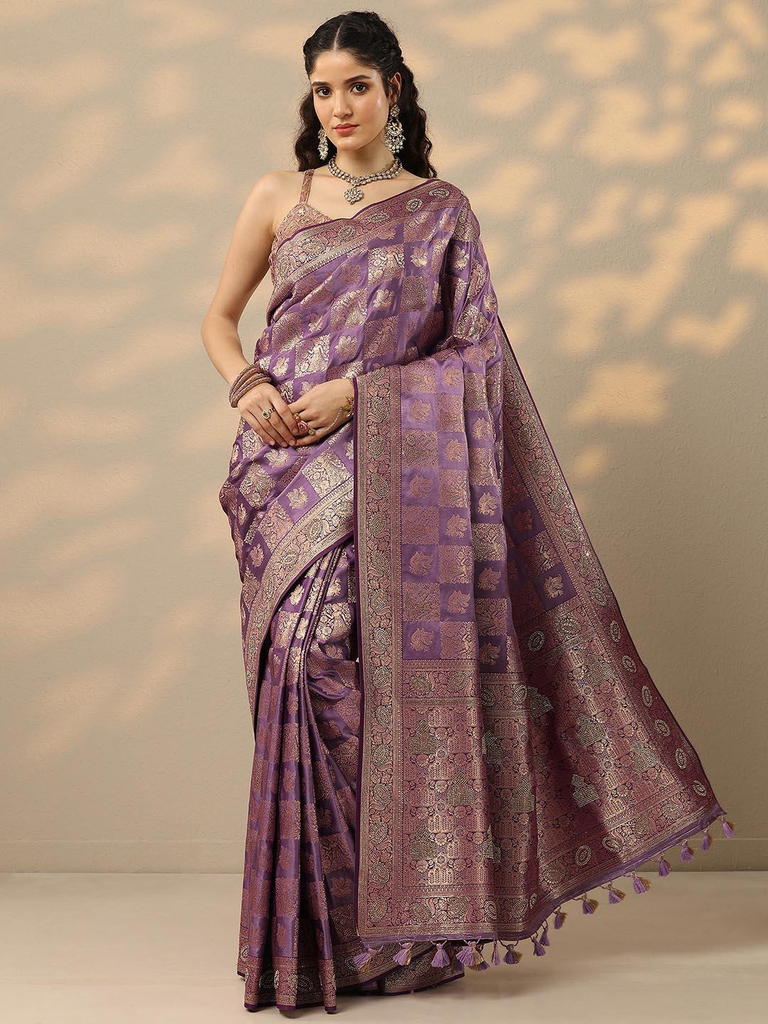
Hairstyles for Silk Sarees
The hairstyle should match the occasion and overall outfit.
Traditional bun
A decorated bun with flowers is a classic option.
Braided hairstyle
A long braid decorated with flowers can create a distinctly traditional appearance.
Low bun
A low bun provides a refined look suitable for weddings and receptions.
Soft waves
Loose waves can make a silk saree look more contemporary.
Half-up hairstyle
A half-up hairstyle can work well when you want a balance between traditional and modern styling.
How to Drape a Silk Saree
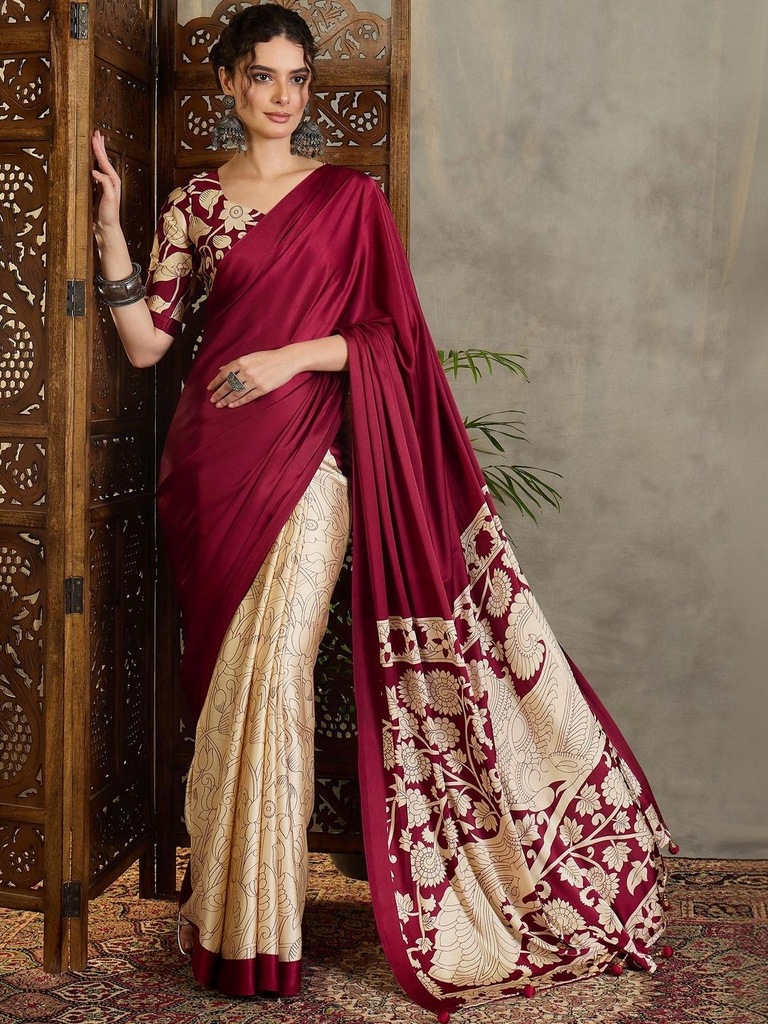
Silk sarees can sometimes feel different from lightweight synthetic or cotton sarees because of their structure and weight.
Before draping:
- Wear a properly fitted petticoat or suitable underskirt.
- Choose comfortable footwear first.
- Tuck the saree securely at the waist.
- Make neat pleats.
- Secure the pleats properly.
- Arrange the pallu evenly.
- Use discreet pins if needed.
- Check the length before leaving home.
For a heavy silk saree, properly securing the pleats and pallu can make movement easier.
How to Identify a Good-Quality Silk Saree
Buying silk requires careful attention because appearance alone does not always tell you everything about the fabric.
Check the weaving
Look closely at the surface for consistent weaving and finishing.
Examine the border
A good-quality traditional saree generally has a neat and well-finished border.
Check the pallu
The pallu should have clean motifs and consistent construction.
Ask about the silk type
A seller should be able to explain the fabric and weaving technique.
Check certification where applicable
For certain silk products, recognised authenticity or handloom marks may provide additional information. Buyers should verify the specific certification rather than relying only on a seller’s description.
Compare prices
Extremely low prices for products marketed as premium handwoven silk deserve careful examination.
Silk Saree vs Synthetic Saree
Silk and synthetic sarees can look similar from a distance, but they have different characteristics.
| Feature | Silk Saree | Synthetic Saree |
|---|---|---|
| Fibre | Natural silk | Man-made fibres |
| Appearance | Natural lustre | Often stronger/artificial shine |
| Feel | Soft and distinctive | Varies by fabric |
| Price | Usually higher | Often more affordable |
| Durability | Can last for years with care | Depends on material |
| Traditional value | High | Generally lower |
| Care | Requires attention | Often easier |
The right choice depends on budget, occasion, comfort and personal preference.
How to Take Care of a Silk Saree
Proper care is essential if you want your saree to remain beautiful for years.
1. Avoid frequent washing
Silk does not generally need washing after every use. Excessive cleaning can affect delicate fibres and dyes.
2. Use professional cleaning when appropriate
For expensive or heavily decorated silk sarees, professional cleaning may be preferable.
3. Avoid direct sunlight
Long exposure to strong sunlight can affect colours.
4. Store carefully
Fold the saree neatly and store it in a clean, dry environment.
5. Refold periodically
Changing the fold occasionally can help prevent permanent creases along the same lines.
6. Keep away from moisture
Moisture can encourage mildew and damage delicate fabrics.
7. Avoid direct contact with perfumes
Spraying perfume directly onto silk can potentially affect the fabric or colour.
How to Store a Silk Saree
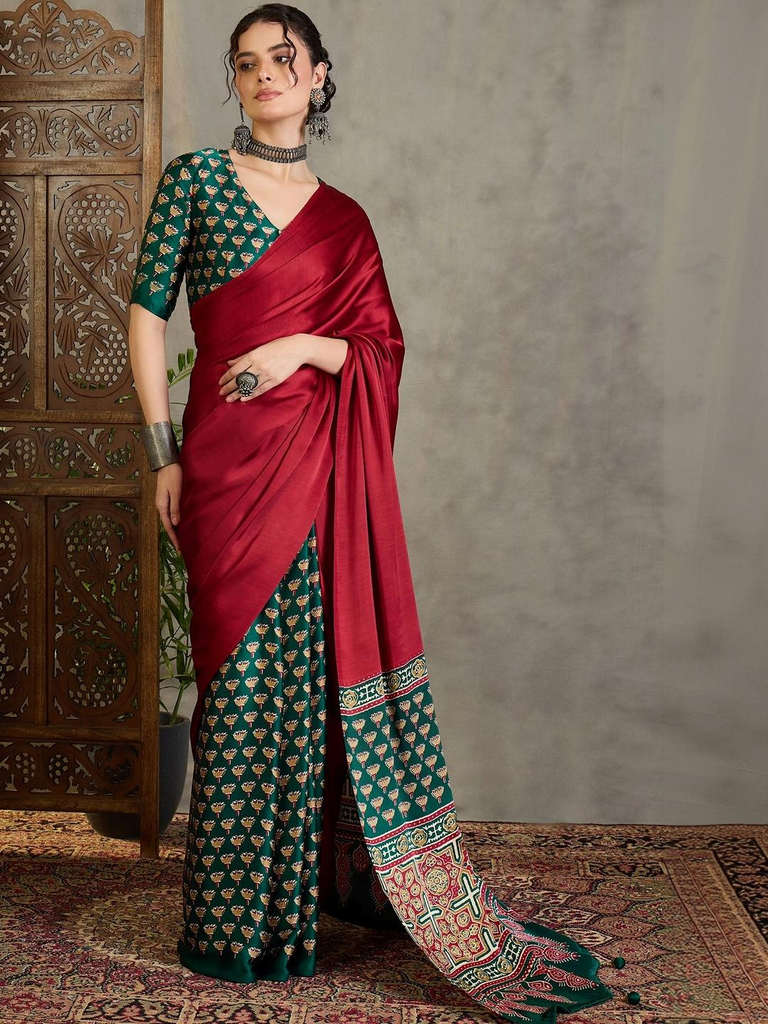
Storage can significantly influence the life of a silk saree.
Use a clean storage space away from excessive humidity. Acid-free tissue paper can be useful for delicate fabrics. Avoid keeping heavy objects directly on top of valuable sarees.
If the saree contains zari, additional care may be necessary because metallic threads can tarnish or react to unsuitable storage conditions.
Do not store expensive silk sarees in damp wardrobes.
Silk Saree Styling for Different Occasions
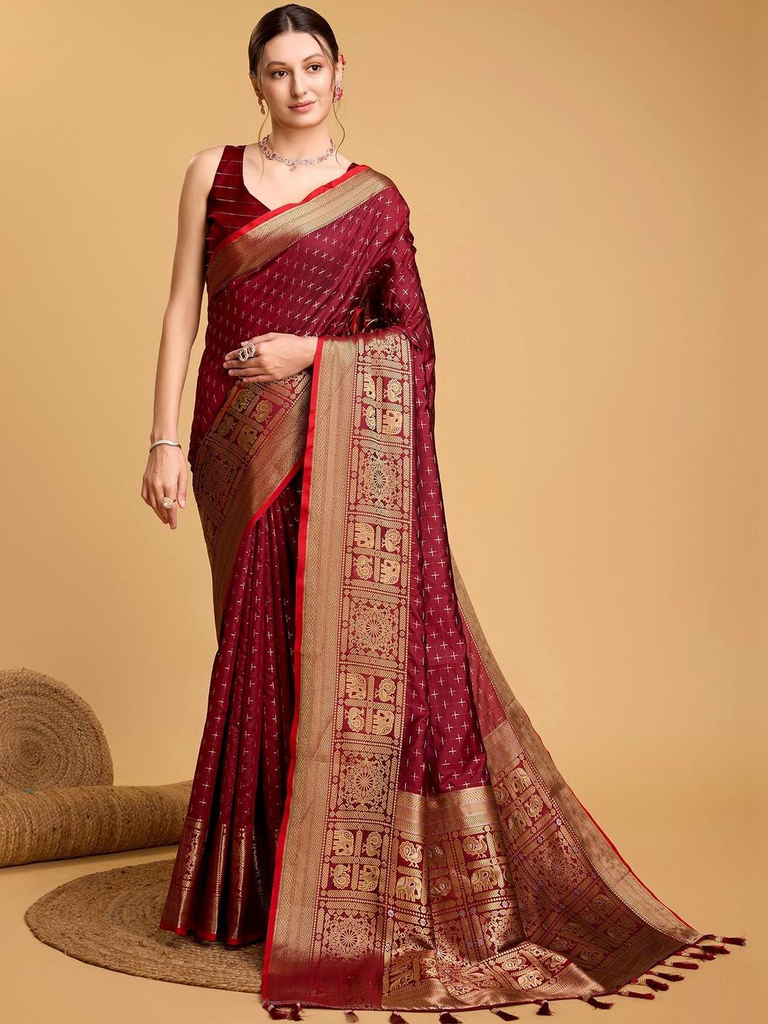
For weddings
Choose rich colours, traditional jewellery and a detailed blouse.
For festivals
Bright silk sarees paired with traditional accessories can create a festive appearance.
For office events
Choose a lighter silk saree with a simple blouse and minimal jewellery.
For receptions
Experiment with contemporary blouse designs, statement earrings and modern hairstyles.
For religious ceremonies
Traditional colours and modest styling often work well.
Silk Saree Fashion for Younger Women
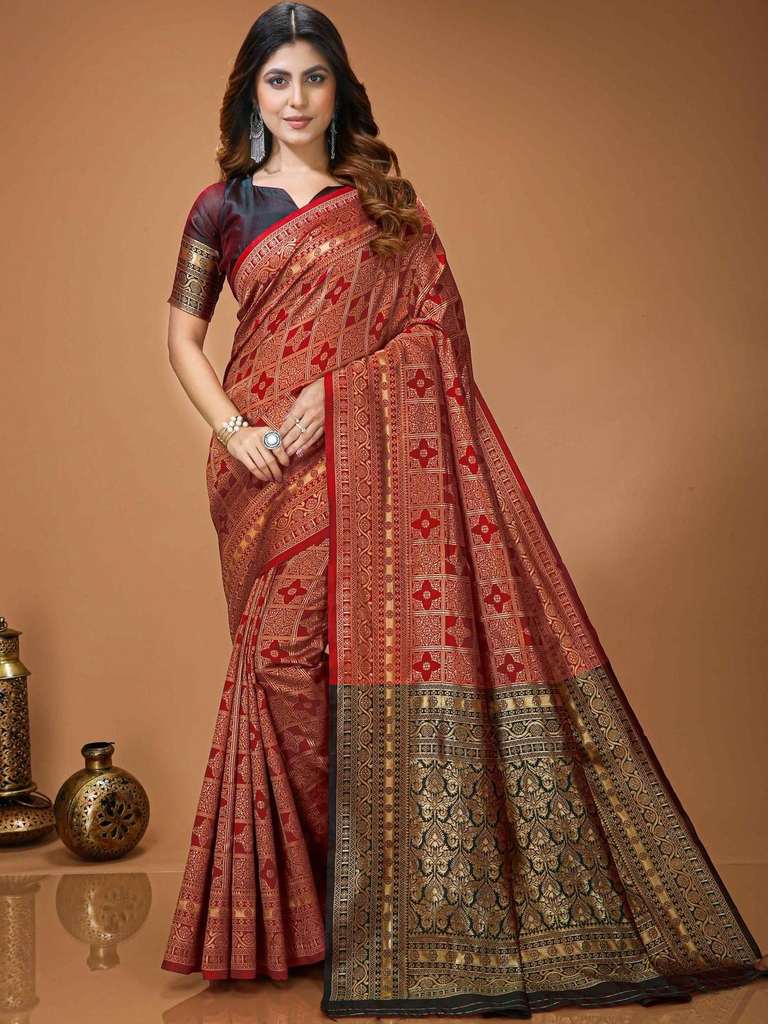
Silk sarees can easily be adapted to contemporary fashion.
Younger wearers may experiment with:
- sleeveless blouses
- crop-style blouses
- statement belts
- contemporary jewellery
- modern handbags
- minimal makeup
- structured blouses
- contrasting colours
- simple hairstyles
The goal is not to remove the traditional character of the saree but to combine it with modern styling.
Common Mistakes to Avoid When Buying a Silk Saree
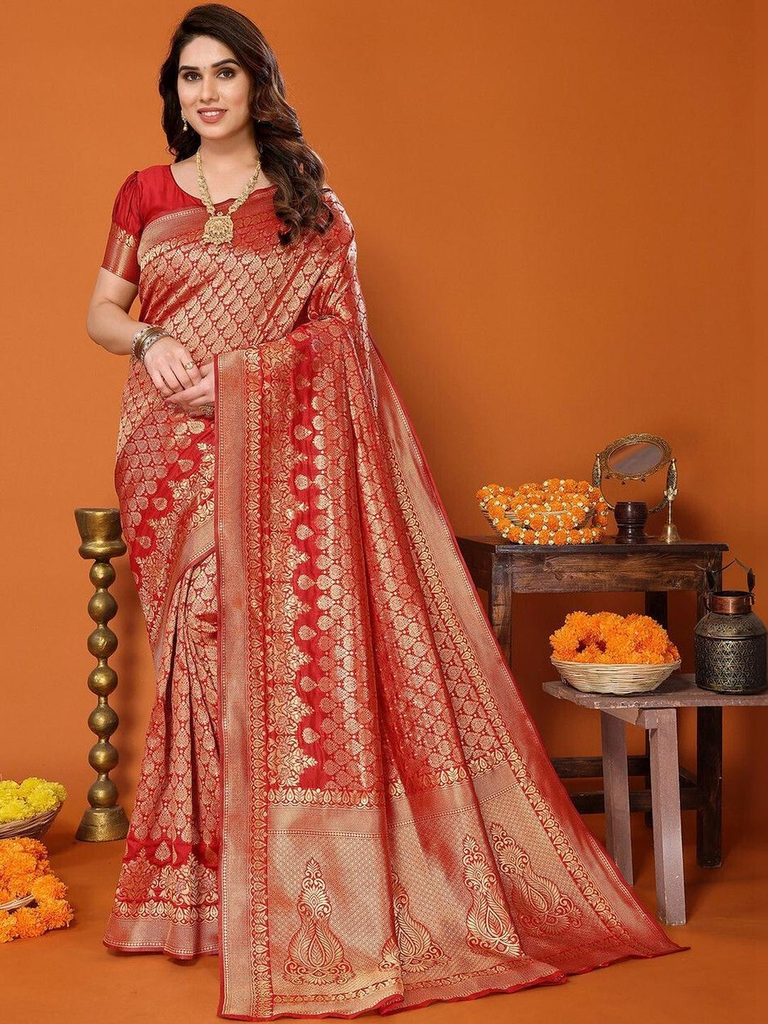
Avoid purchasing a saree only because it looks attractive in photographs.
Some common mistakes include:
- ignoring fabric details
- not checking the weave
- choosing an unsuitable weight
- failing to inspect the border
- ignoring care requirements
- focusing only on price
- buying without understanding the silk type
- overlooking the blouse fabric
- choosing a colour without considering the occasion
A little research before purchase can help you make a better decision.
Frequently Asked Questions
Which silk saree is best for weddings?
Kanjivaram, Banarasi and Paithani sarees are popular choices for weddings. The best option depends on personal preference, regional tradition, budget and the type of ceremony.
Which silk saree is lightweight?
Mysore silk and some lighter varieties of Chanderi and Tussar silk can be suitable for people who prefer lighter fabrics.
Can silk sarees be worn casually?
Yes. Lightweight silk sarees with simple borders and minimal accessories can work for smaller gatherings and semi-formal occasions.
How long can a silk saree last?
A good-quality silk saree can last for many years when stored and maintained correctly. Some traditional sarees remain in families for generations.
What jewellery looks best with a silk saree?
Gold, temple, Kundan, pearl and traditional jewellery can all work well. The choice should match the saree’s colour, design and occasion.
Which silk saree is best for a bride?
There is no single answer. Kanjivaram, Banarasi and other regional silk sarees are popular bridal choices, depending on cultural traditions and personal preference.
Conclusion
A silk saree represents much more than traditional clothing. It brings together fabric, colour, weaving, craftsmanship and cultural heritage in a single garment. From richly decorated Kanjivaram and Banarasi sarees to lightweight Mysore and Chanderi styles, there is a silk saree for almost every occasion.
When choosing one, consider the fabric, weaving quality, colour, weight, occasion, blouse design and jewellery. Proper storage and careful cleaning are equally important if you want the saree to remain beautiful for years.
The most appealing aspect of silk sarees is their ability to adapt. They can maintain their traditional identity while working beautifully with contemporary blouses, modern jewellery and updated styling. Whether you are preparing for a wedding, festival, family celebration or cultural event, a thoughtfully selected silk saree can create an elegant and timeless look.