
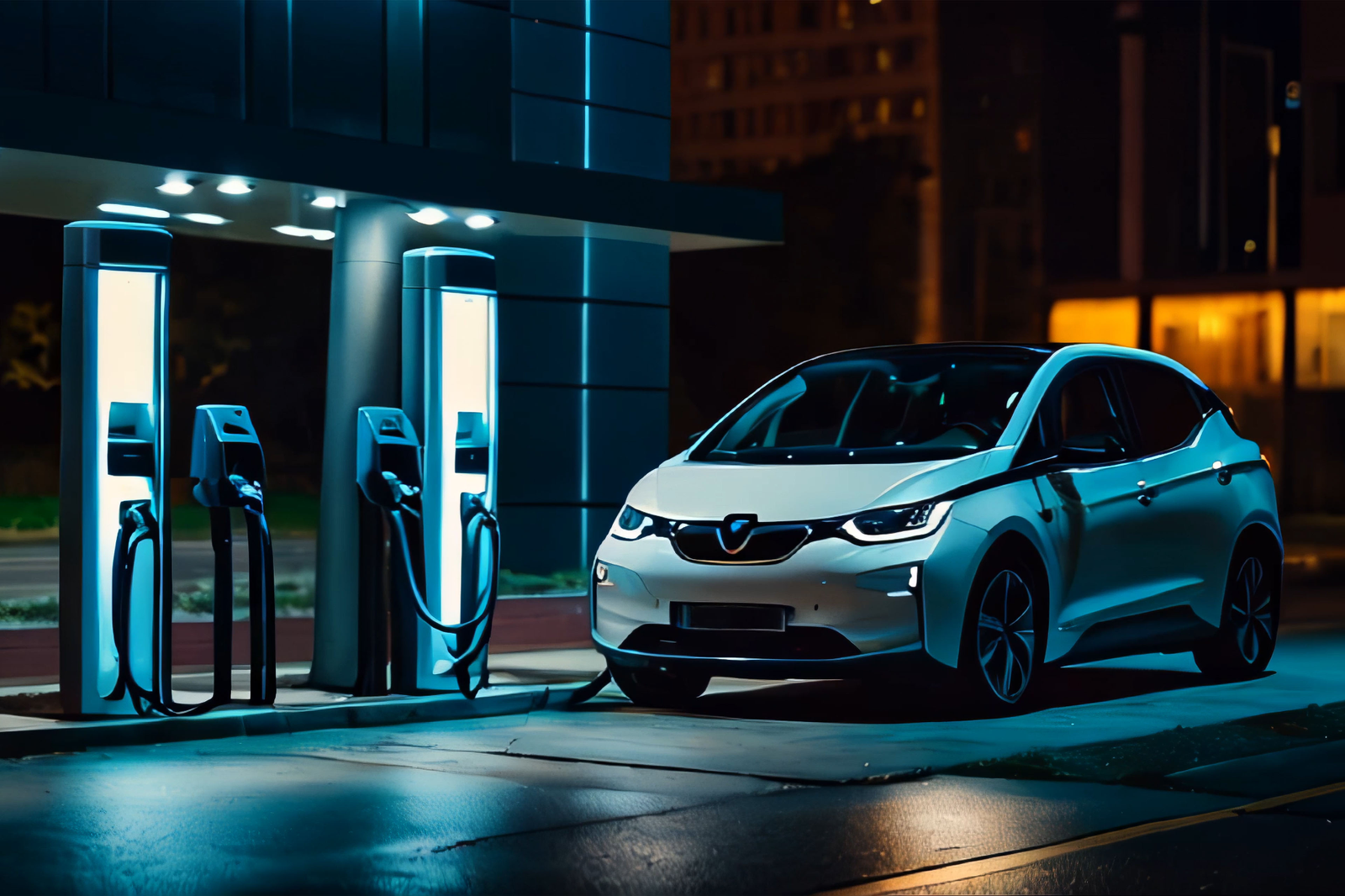
The decision to buy an electric vehicle is increasingly driven by a compelling combination of lower running costs, environmental consciousness, and access to an expanding range of attractive models. But one cost that often catches new EV buyers off guard is insurance. Insuring an electric vehicle — particularly a new, well-equipped one — can cost significantly more than insuring a comparable petrol or diesel car. Understanding why this premium gap exists, and what you can do about it, is essential planning for any prospective EV buyer.
The Higher Purchase Price Factor
The most straightforward explanation for higher EV insurance premiums begins with the vehicle’s price. Electric vehicles in India, despite improving price competitiveness, still generally command a premium over equivalent ICE alternatives. A comparable EV typically costs ten to thirty percent more than its petrol counterpart.
Since motor insurance Own Damage premiums are calculated as a percentage of the Insured Declared Value — which is based on the vehicle’s purchase price — a higher-priced vehicle automatically generates higher nominal premiums even at identical percentage rates. This fundamental cost driver is independent of any EV-specific risk factors.
Battery Replacement: The Elephant in the Room
The EV battery is the component that most significantly distinguishes EV insurance economics from ICE vehicle insurance. A high-capacity lithium-ion battery pack can account for thirty to fifty percent of the total vehicle value. Battery replacement outside of warranty — whether due to damage, capacity degradation beyond an insurable threshold, or accident-related harm — involves costs that dwarf any comparable expense in an ICE vehicle.
Insurers pricing EV policies must account for this potential liability. Even if battery replacement claims remain statistically rare at the portfolio level, the tail risk of a high-value battery claim means that actuaries build a conservative margin into EV premiums. As more EVs age out of their battery warranties and as the industry accumulates more data on battery damage frequency and severity, this pricing uncertainty should reduce.
Repair Costs and the Skill Gap
Electric vehicles require specialised knowledge and equipment to repair safely. High-voltage systems demand trained technicians working to strict safety protocols. Diagnostics require proprietary or specialised software. Many EV components are integrated in ways that require dealer-level expertise rather than the general mechanic capability that serves most ICE vehicle repairs.
The practical consequence of this specialisation is that the authorised workshop network for EVs is less dense than for conventional vehicles, particularly outside major metros. This limits competition among repairers, supports higher labour rates at those that are qualified, and can result in longer vehicle-off-road times while awaiting repair — all of which translate into higher claims costs and consequently higher insurance premiums at car insurance renewal.
Evolving Actuarial Data
Insurance pricing is fundamentally a data-driven exercise. Actuaries build premium models from historical claims data — frequency of claims, severity of claims, patterns across vehicle types, usage contexts, and geographic markets. For EVs, this historical data is still thin by insurance industry standards. The EV fleet in India is relatively young, and the statistical base for reliably modelling EV-specific risks is still being assembled.
In the absence of robust historical data, insurers tend toward conservative pricing — charging more to create a buffer against the possibility that actual claim experience turns out worse than the limited data suggests. As EV fleet ages and claims data accumulates, this actuarial conservatism should soften, and premiums should moderate.
Third-Party Premiums and IRDAI Norms
Beyond the Own Damage component, the third-party liability premium for EVs is also subject to IRDAI regulation. The pricing of third party motor insurance for electric vehicles continues to evolve as regulators and insurers adapt traditional insurance frameworks to emerging EV technologies. Historically, third-party premiums have been differentiated by engine cubic capacity for ICE vehicles, but EVs do not have engines. IRDAI has been developing specific premium structures for EVs based on battery capacity as the primary classification criterion.
The transition from engine-based to battery-based classification for third-party premiums is still evolving, and there has been some variation in how different models are classified, contributing to pricing inconsistency across the market. As IRDAI refines its EV-specific premium framework, this source of variation should reduce.
What EV Owners Can Do to Reduce Insurance Costs
While some of the premium gap between EV and ICE insurance is structural and likely to persist in the near term, there are practical measures EV owners can take to manage costs. Comparing policies from multiple insurers at each renewal cycle — rather than auto-renewing with the incumbent — is particularly valuable for EVs given the higher premiums and the variability in how different insurers have priced EV risk.
Telematics or usage-based insurance products, which price premiums based on actual driving behaviour and mileage, can offer significant savings for EV owners who drive carefully and cover relatively modest annual distances. Several Indian insurers have introduced or are piloting such products, and they are worth evaluating at renewal.
Opting for a higher voluntary deductible is another lever that can reduce the annual premium, with the trade-off being higher out-of-pocket expense if you do need to make a claim. For financially comfortable drivers with a clean claims history, this can be a rational choice.
The Long-Term Outlook
The structural factors driving higher EV insurance premiums are real but not permanent. Battery costs are declining year on year as global manufacturing scale increases. The EV repair ecosystem in India is developing rapidly, with more authorised technicians, better spare parts availability, and growing investment from insurers in EV-specific garage network development. Actuarial data is accumulating, reducing pricing uncertainty. Regulatory frameworks are being refined.
The trajectory for EV insurance premiums in India points toward gradual convergence with ICE vehicle rates over the medium to long term — not parity in the next year, but a meaningful narrowing of the gap. EV buyers should plan for current premium levels in their ownership cost calculations while expecting improvement over time.
Conclusion
The reality that insuring an EV currently costs significantly more than insuring a comparable ICE vehicle is well-documented and has multiple rational explanations — higher vehicle values, battery risk, specialised repair costs, thin actuarial data, and evolving regulatory frameworks. For those committed to EV ownership, the premium gap is a manageable cost of early adoption. Understanding its drivers helps you approach car insurance renewal with the right strategy, ensuring you get the coverage you need at the best price available.


One thought on “EVs Are the Future But Insuring One Could Cost You 50 Percent More. Here Is Why”