Introduction
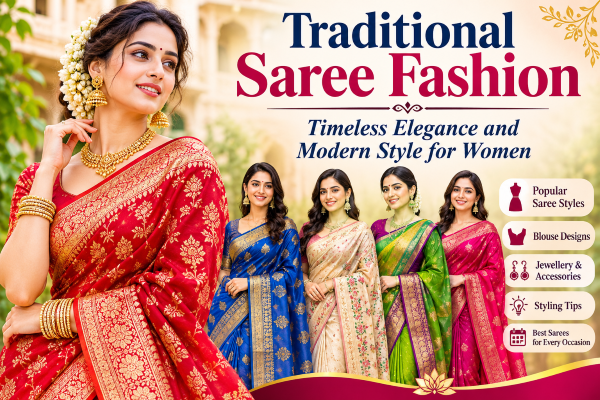
Traditional saree fashion has a special place in Indian women’s wardrobes. The saree is more than a beautiful garment—it represents India’s diverse culture, craftsmanship, traditions and changing fashion preferences. From festive celebrations and weddings to office gatherings and family functions, women can style a saree in countless ways.
What makes traditional sarees particularly appealing is their ability to combine heritage with personal style. A woman can choose a classic handwoven saree for a traditional occasion or create a contemporary look with a modern blouse, statement jewellery and fashionable draping style.
What Is Traditional Saree Fashion?
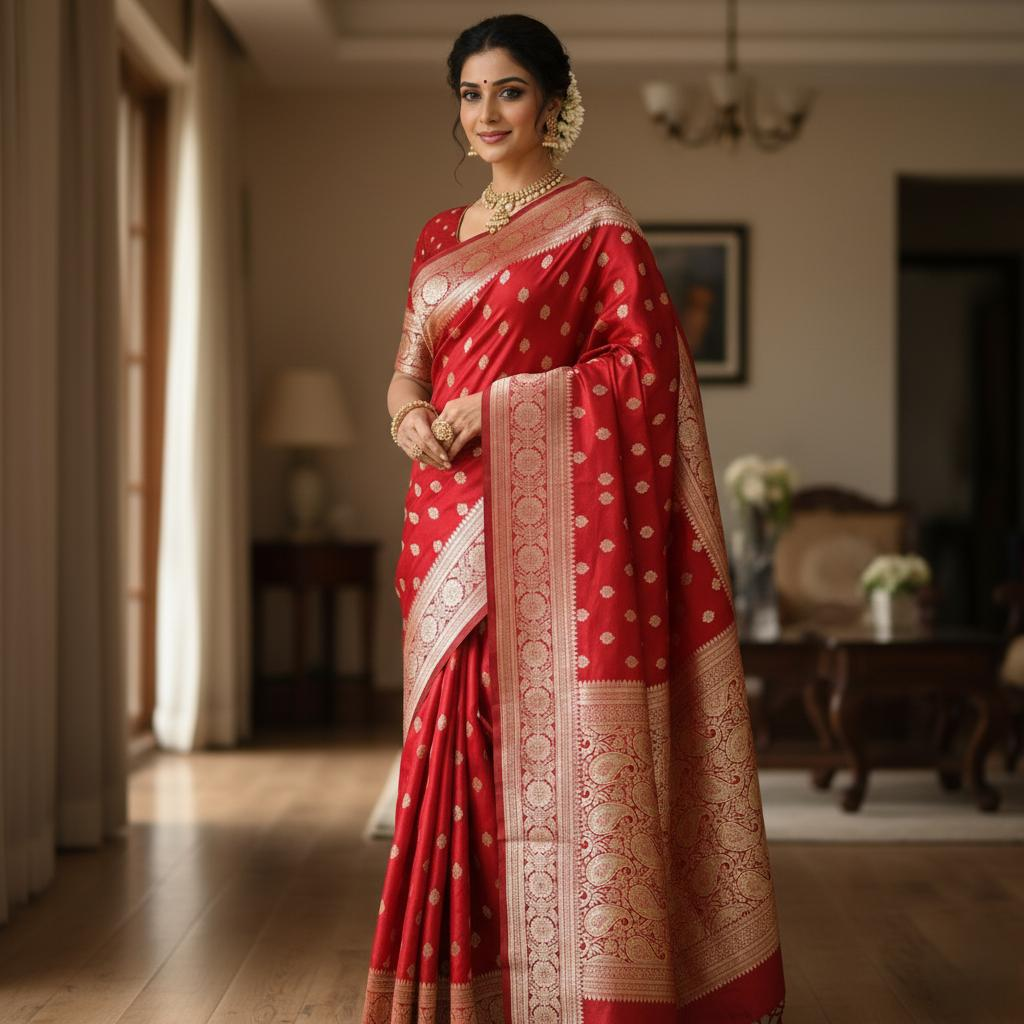
Traditional saree fashion refers to sarees inspired by India’s regional textiles, weaving techniques, cultural traditions and classic designs. Different parts of India have developed their own distinctive saree styles over generations.
Banarasi, Kanjeevaram, Chanderi, Paithani, Bandhani, Sambalpuri, Tant and Chikankari sarees are some examples of traditional Indian saree styles. Each variety can have a unique combination of fabric, motifs, borders, colours and weaving techniques.
Traditional sarees can be worn in a classic manner, but today’s women also experiment with contemporary blouses, belts, jewellery and draping patterns.
Popular Traditional Saree Styles for Women
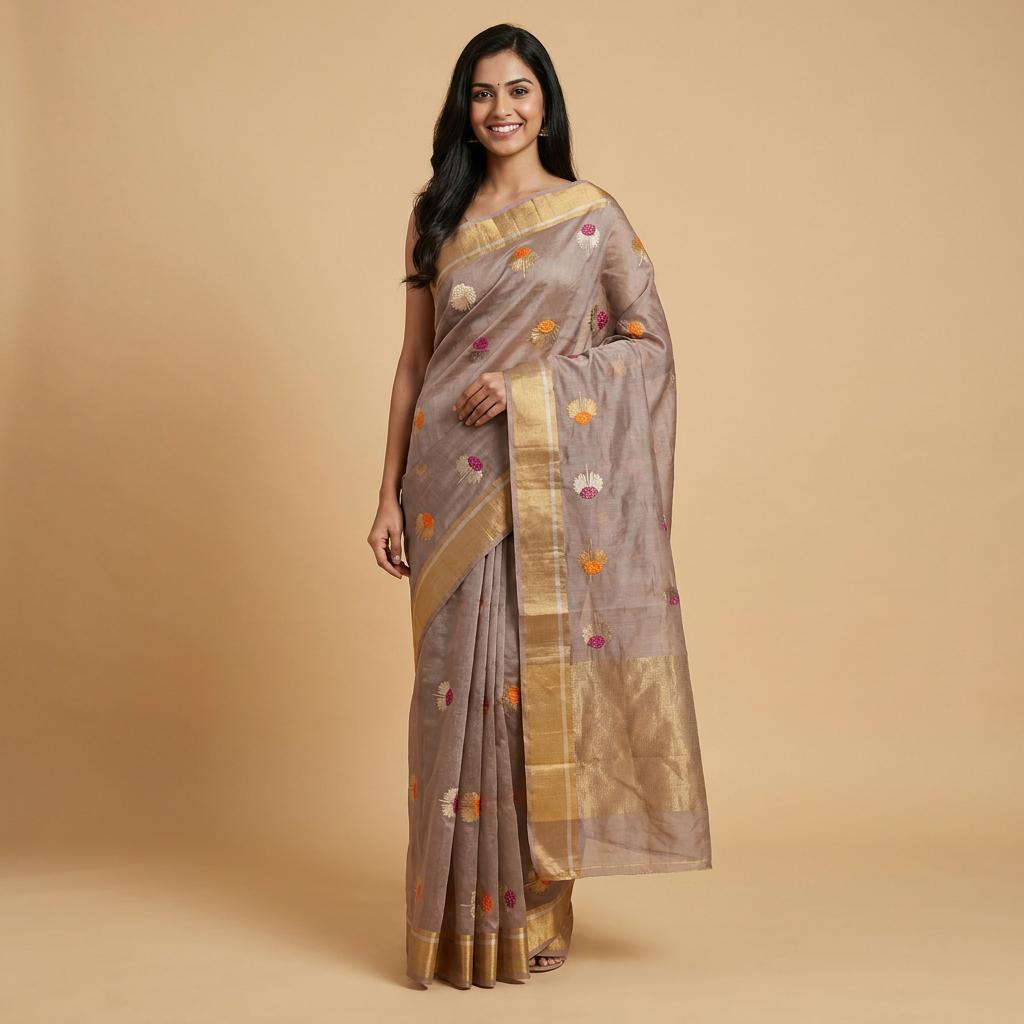
1. Banarasi Saree
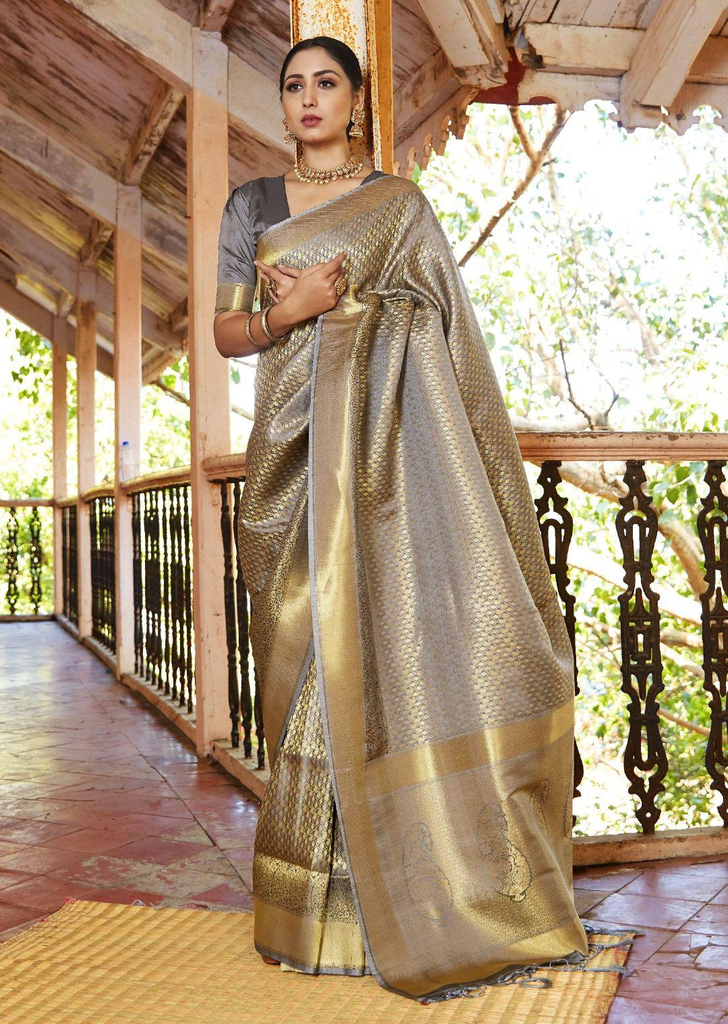
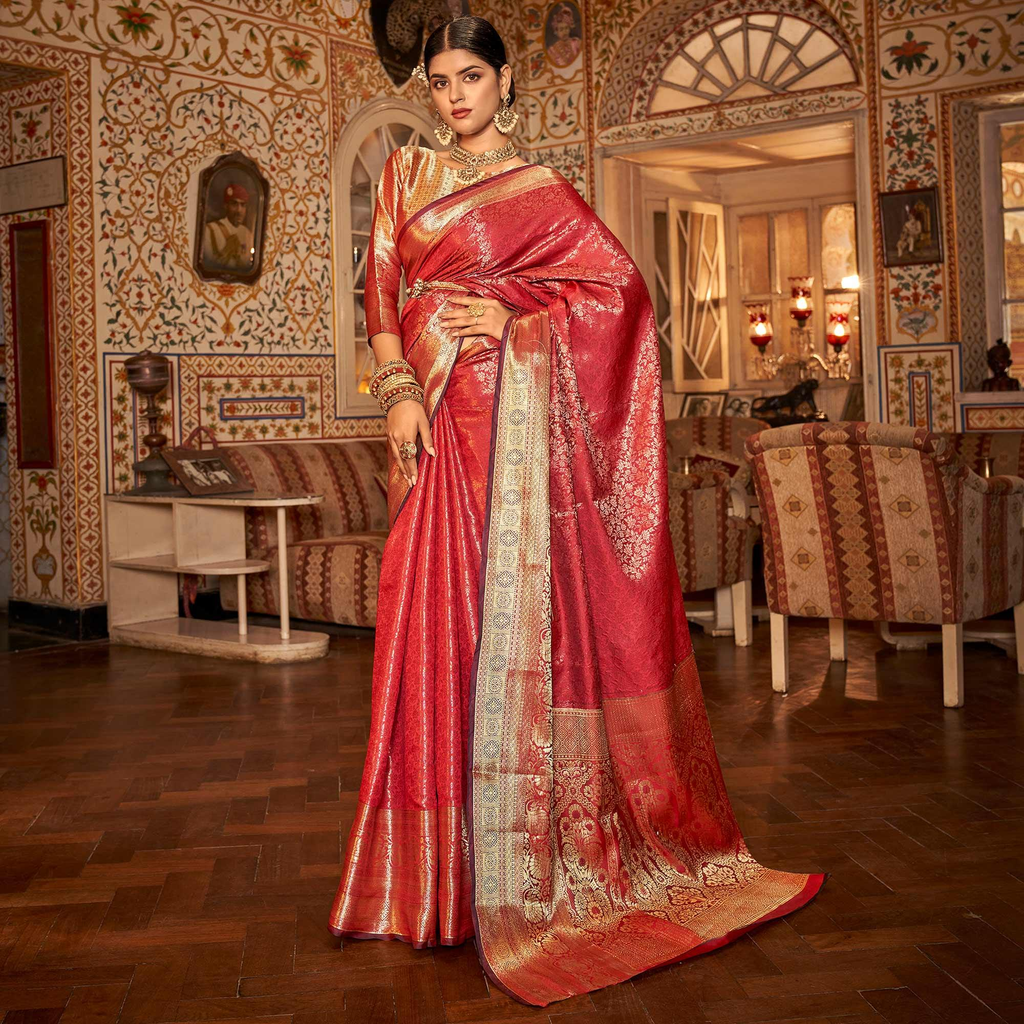
Banarasi sarees are known for their rich appearance and detailed designs. They are particularly popular for weddings, receptions and festive occasions. Gold or silver zari work can give the saree a luxurious appearance.
A traditional Banarasi saree paired with a silk or embroidered blouse can create an elegant bridal or festive outfit.
2. Kanjeevaram Saree
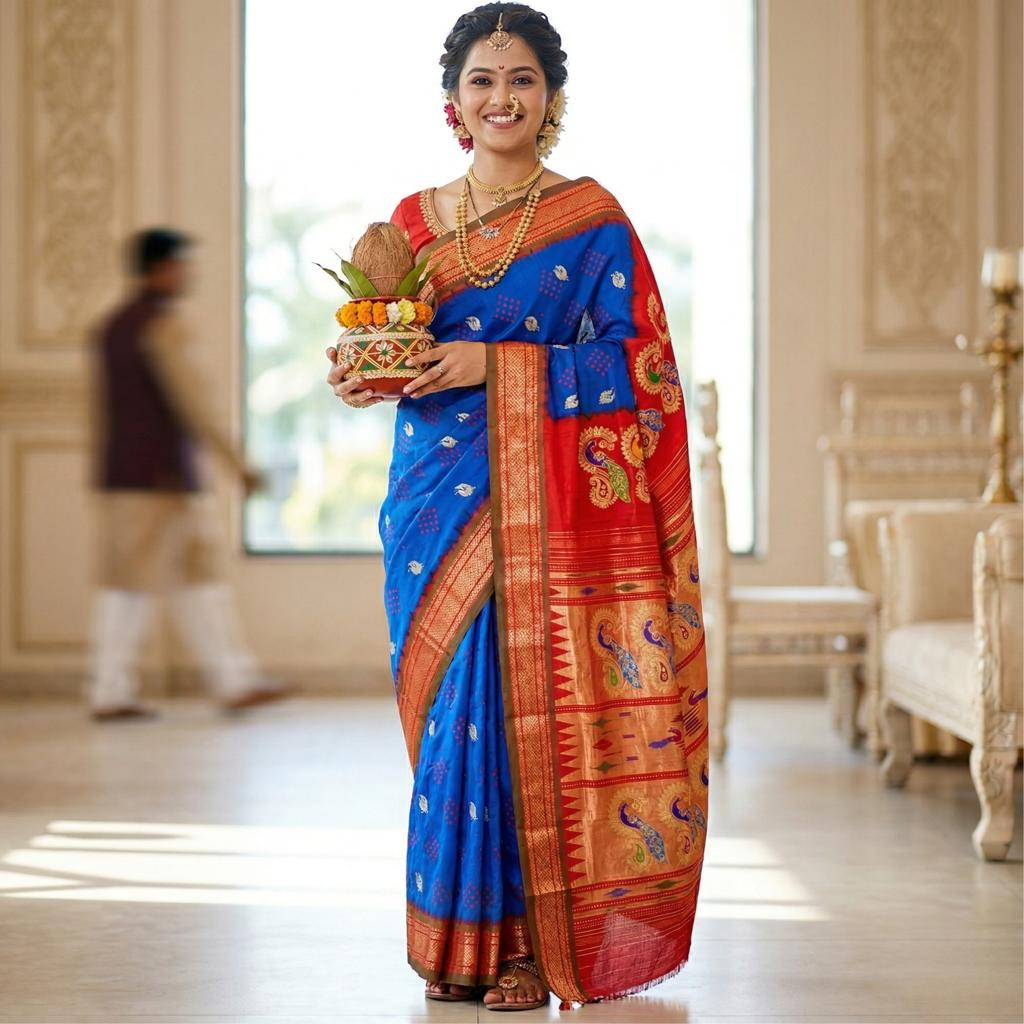
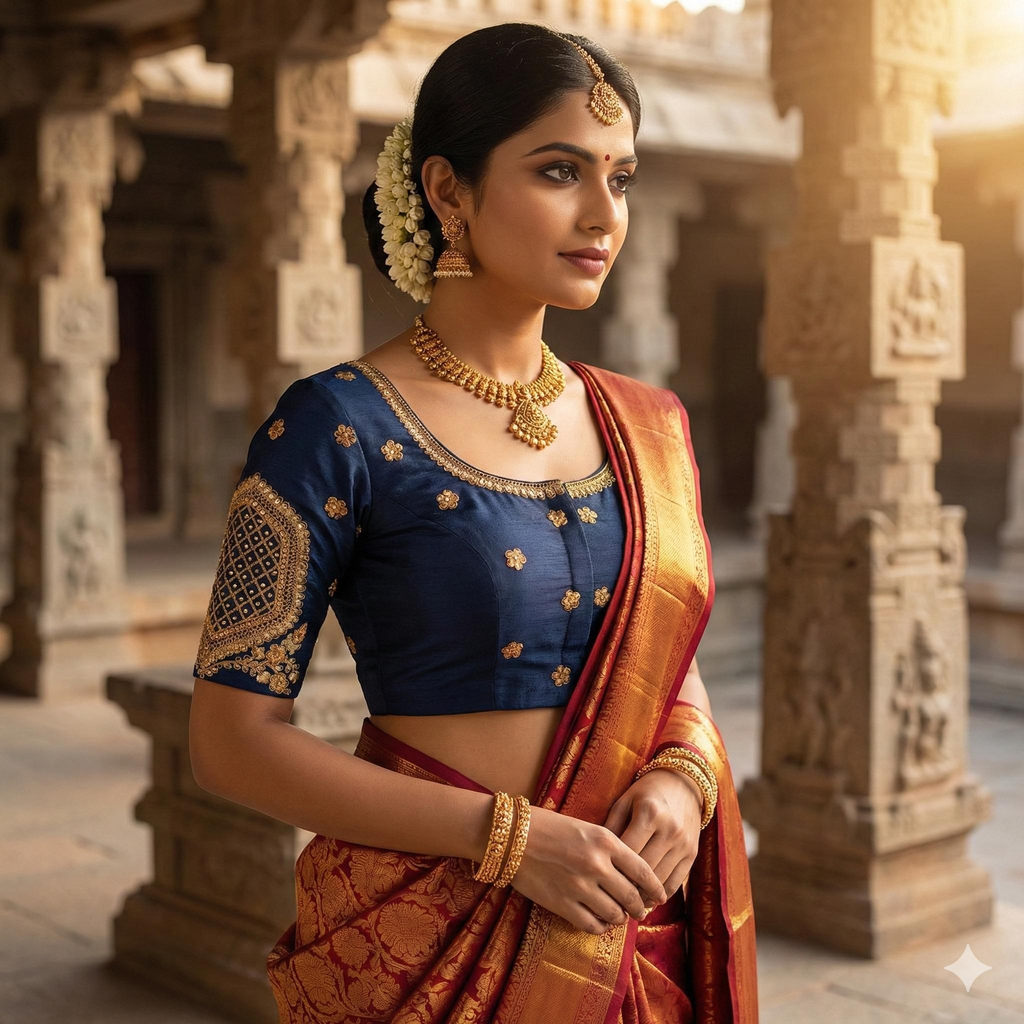
Kanjeevaram silk sarees are strongly associated with South Indian traditional fashion. Their vibrant colours, contrasting borders and distinctive silk texture make them popular for weddings and religious celebrations.
Women can pair them with traditional gold jewellery, jasmine flowers and a classic blouse for a graceful ethnic appearance.
3. Chanderi Saree
Chanderi sarees are known for their lightweight feel and delicate appearance. They are suitable for women who prefer an elegant but comfortable traditional outfit.
Pastel shades, subtle motifs and simple jewellery can create a sophisticated daytime look.
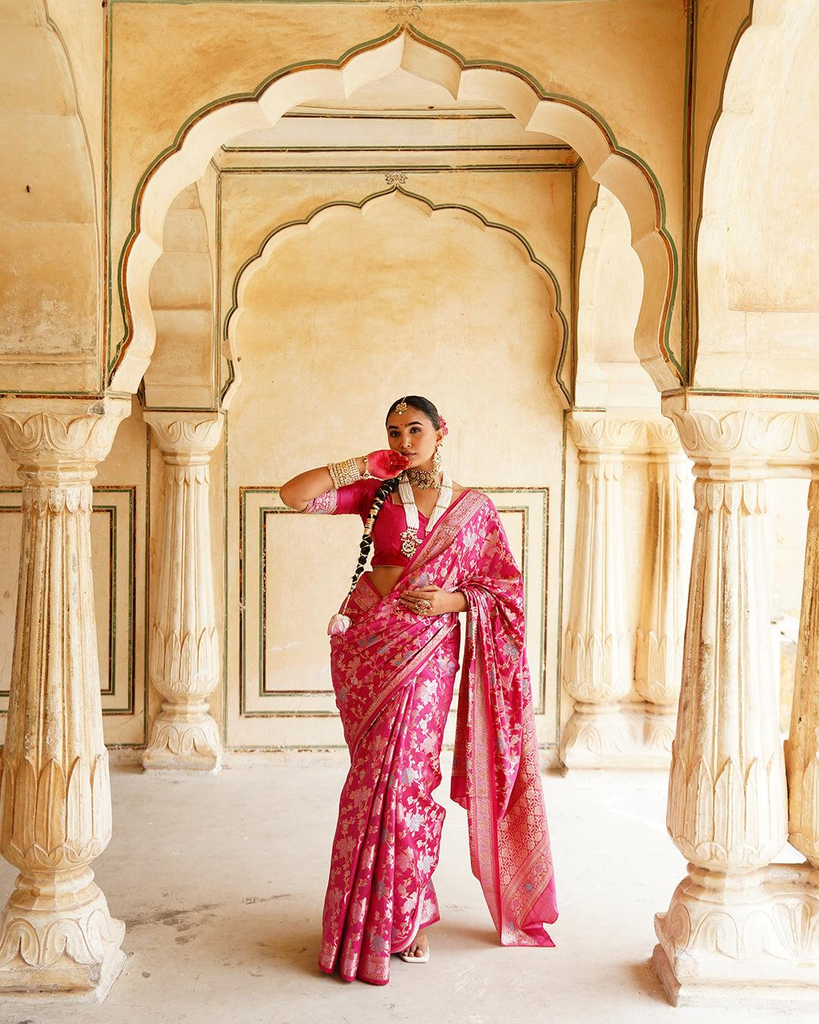
4. Paithani Saree
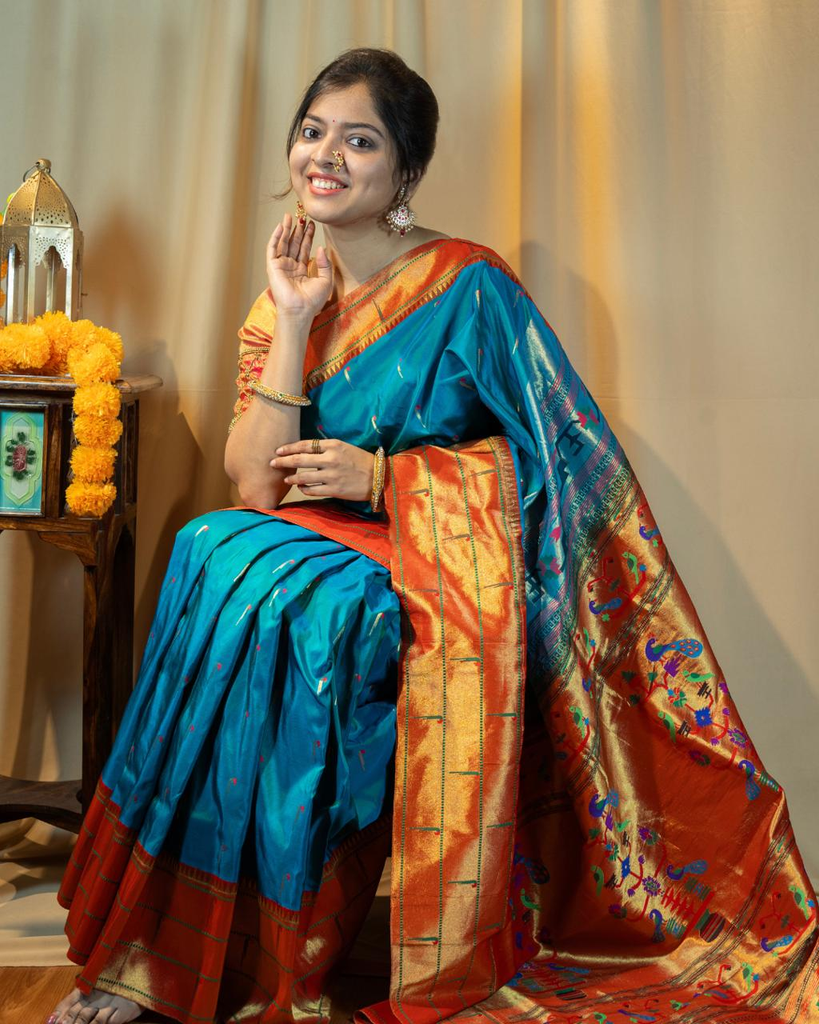
Paithani sarees from Maharashtra are recognized for colourful designs and distinctive traditional motifs. Peacock-inspired patterns are particularly popular.
A Paithani can work beautifully for festive celebrations when paired with traditional jewellery and a neatly styled hairstyle.
5. Sambalpuri Saree
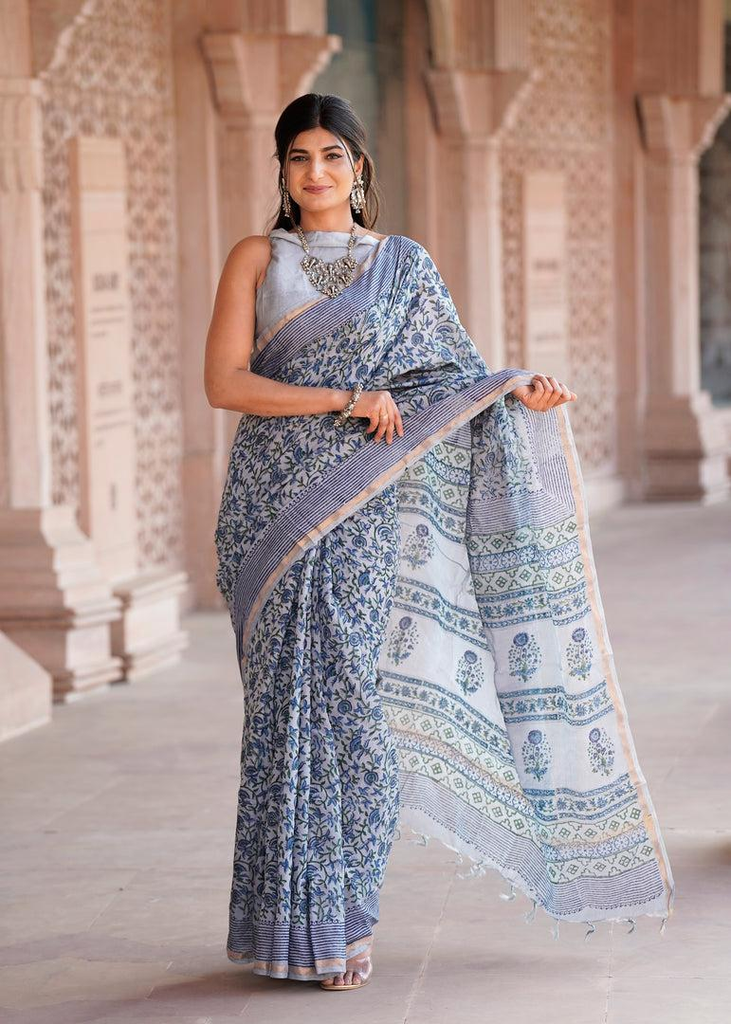
Sambalpuri sarees showcase Odisha’s textile traditions. Their distinctive motifs and regional patterns give them a strong cultural identity.
Women can wear them for cultural events, festivals and casual ethnic occasions.
Choosing the Right Saree for Different Occasions
One of the best things about saree fashion is its versatility. The right saree can be selected according to the occasion, season and personal comfort.
For weddings: Silk, Banarasi and heavily decorated sarees can create a grand appearance.
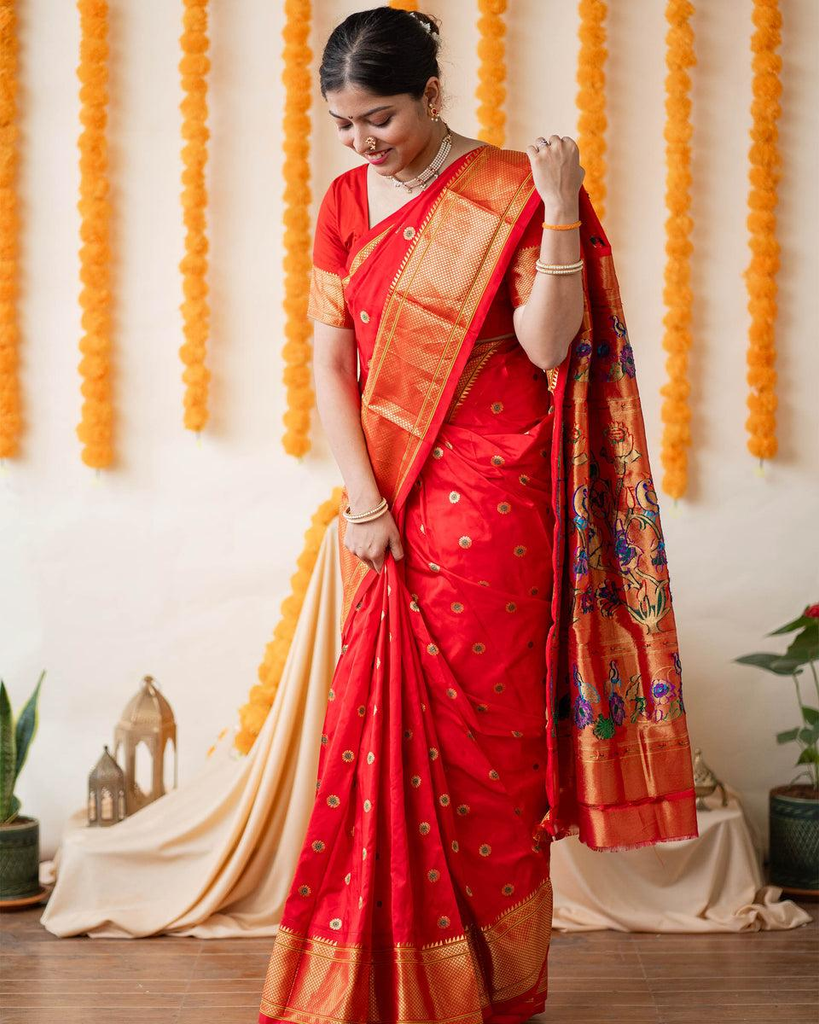
For festivals: Bright colours, traditional motifs and zari borders work well for celebrations.
For office wear: Lightweight cotton, linen or Chanderi sarees in subtle colours can offer a professional appearance.
For family functions: Printed silk, handloom and embroidered sarees can provide a balanced traditional look.
For casual occasions: Lightweight cotton and simple printed sarees are comfortable and easy to style.
Blouse Designs That Enhance Traditional Sarees
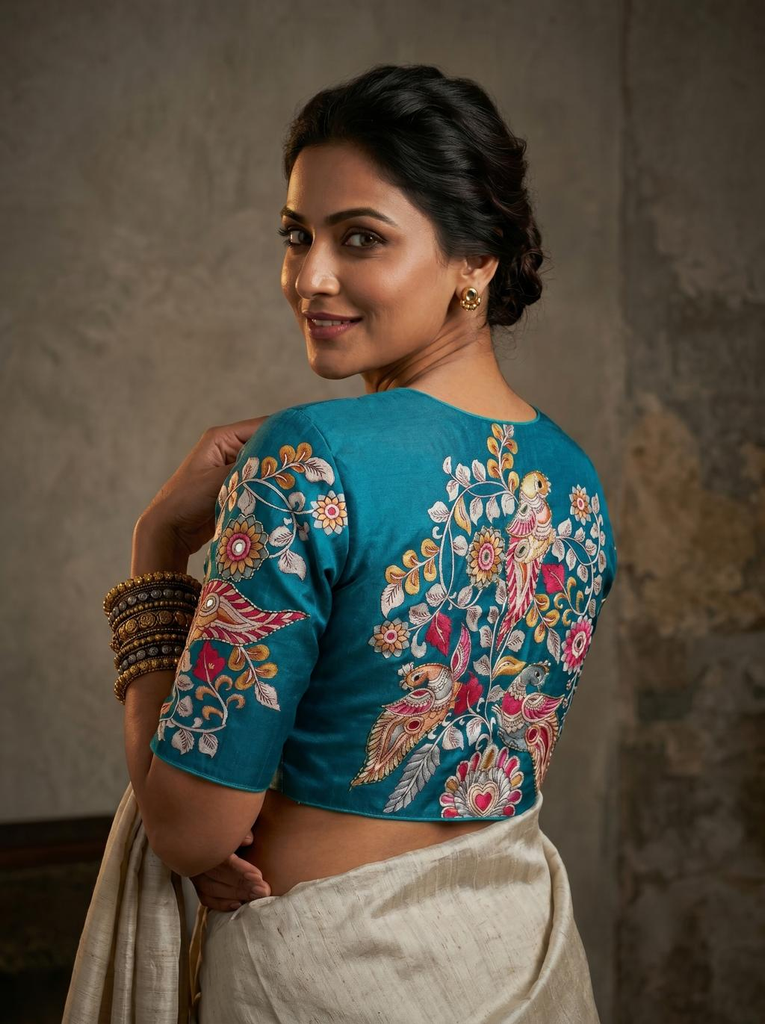
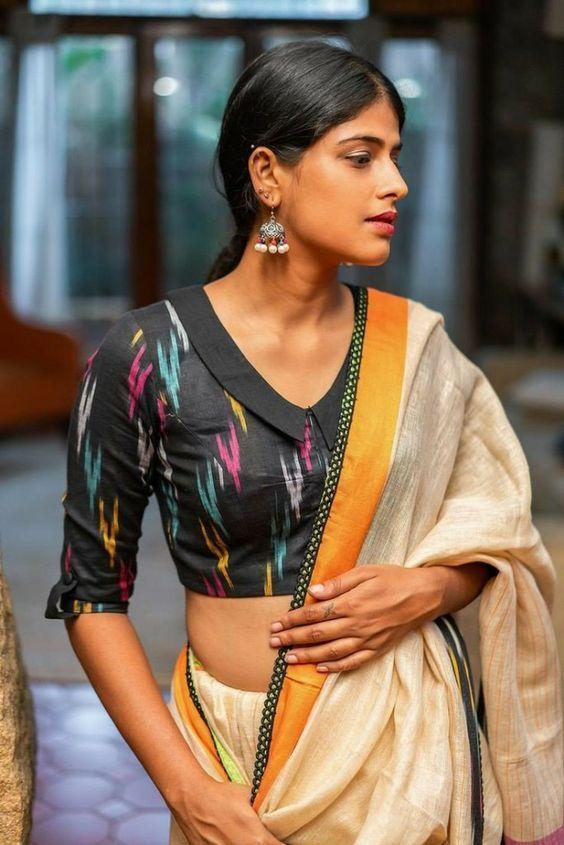
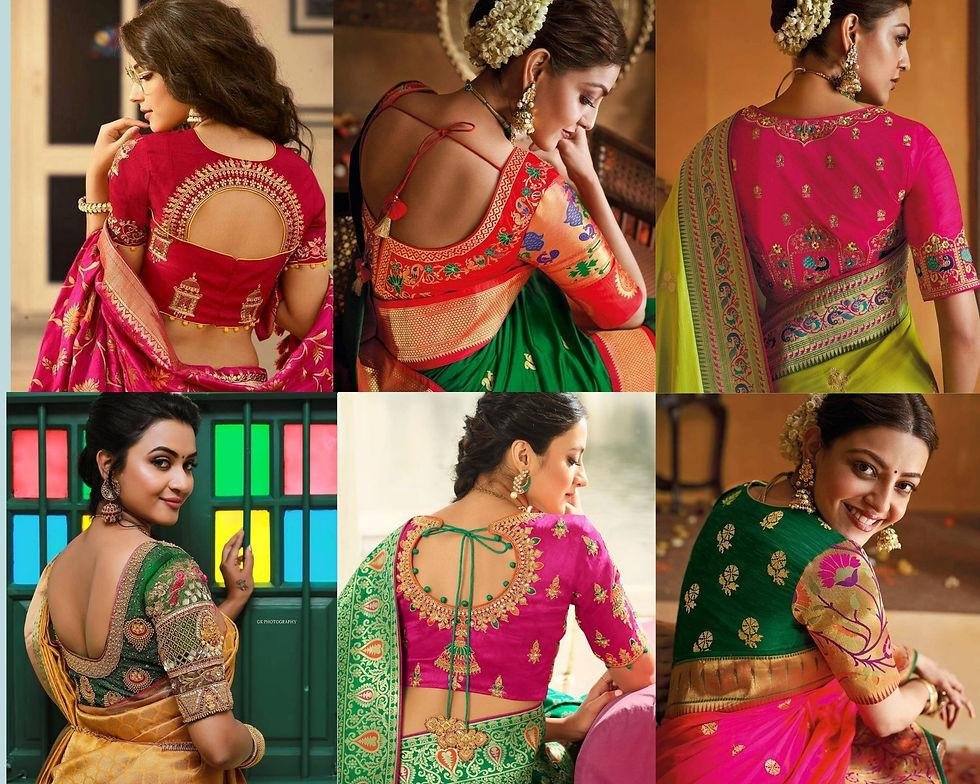
The blouse can completely change the appearance of a saree. A traditional saree does not always require a traditional blouse. Women can experiment with different necklines, sleeves and fabrics while maintaining an elegant appearance.
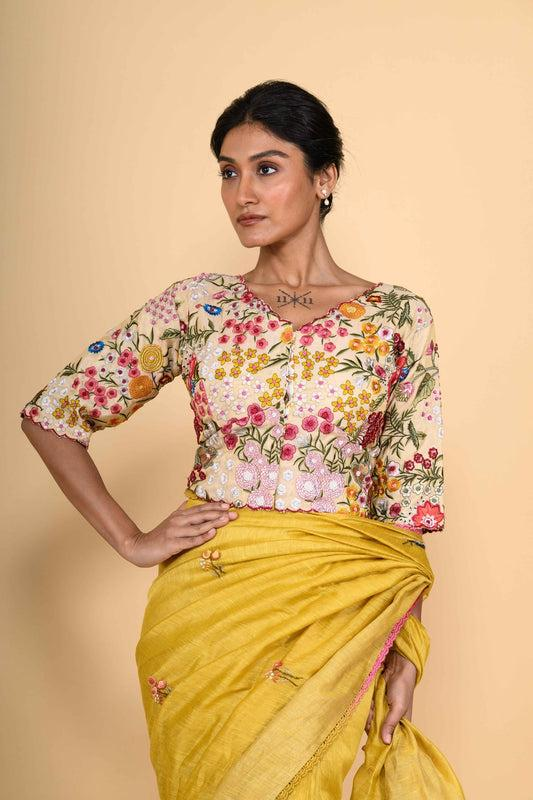
High-neck blouses can provide a sophisticated look, while elbow-length sleeves work well with many classic sarees. Embroidered blouses can add richness to plain sarees, while simple silk blouses can complement heavily decorated sarees.
For a contemporary appearance, women can also try structured blouses, statement sleeves or contrasting colours.
Jewellery and Accessories
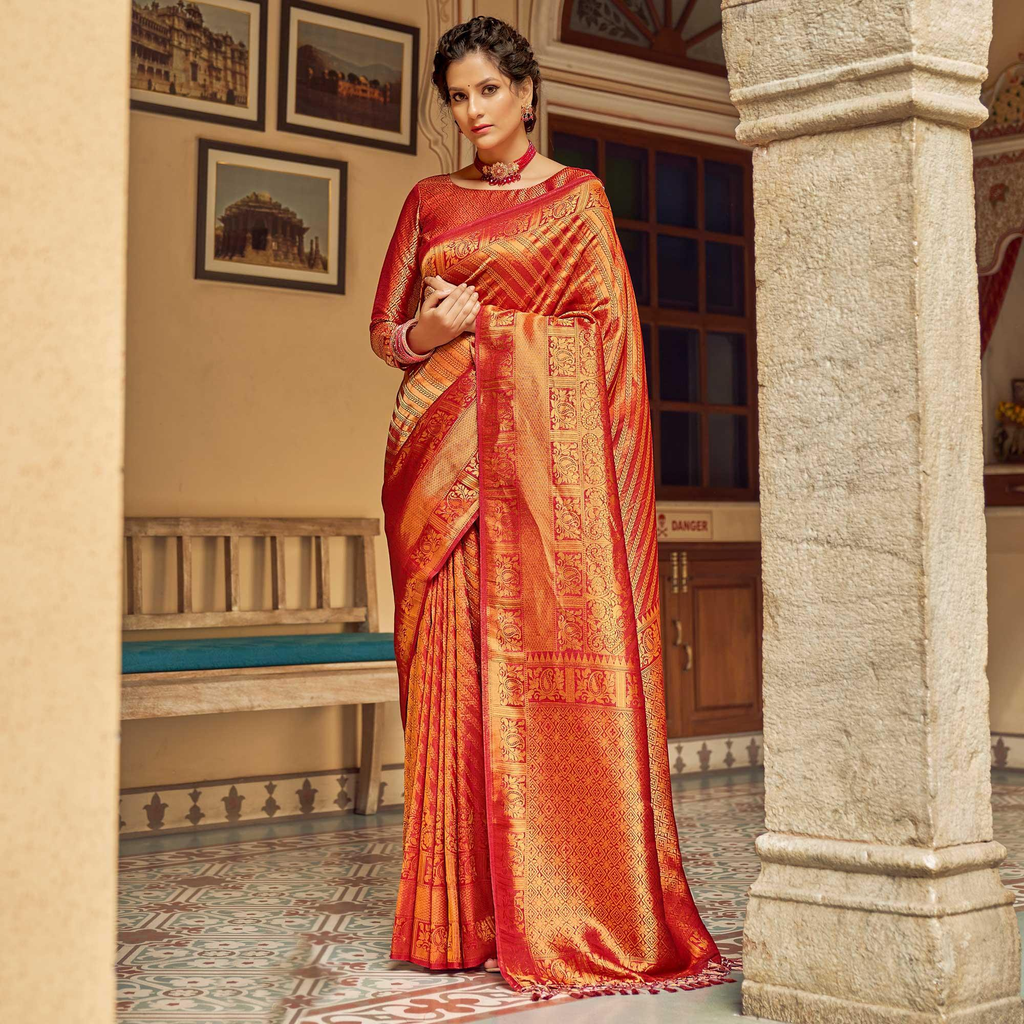
Traditional jewellery can enhance the beauty of a saree without overpowering the outfit. Gold jewellery remains a popular choice for weddings and festivals, while silver jewellery works beautifully with many handloom and cotton sarees.
Women can consider:
- Jhumkas or traditional earrings
- Necklaces and temple jewellery
- Bangles
- Statement rings
- Traditional hair accessories
- Bindi
- Potli bags
- Embellished sandals
The key is balance. If the saree has heavy embroidery or zari work, minimal jewellery may create a more polished appearance.
Modern Ways to Style a Traditional Saree
Traditional saree fashion continues to evolve. Women today often combine heritage garments with contemporary fashion elements.
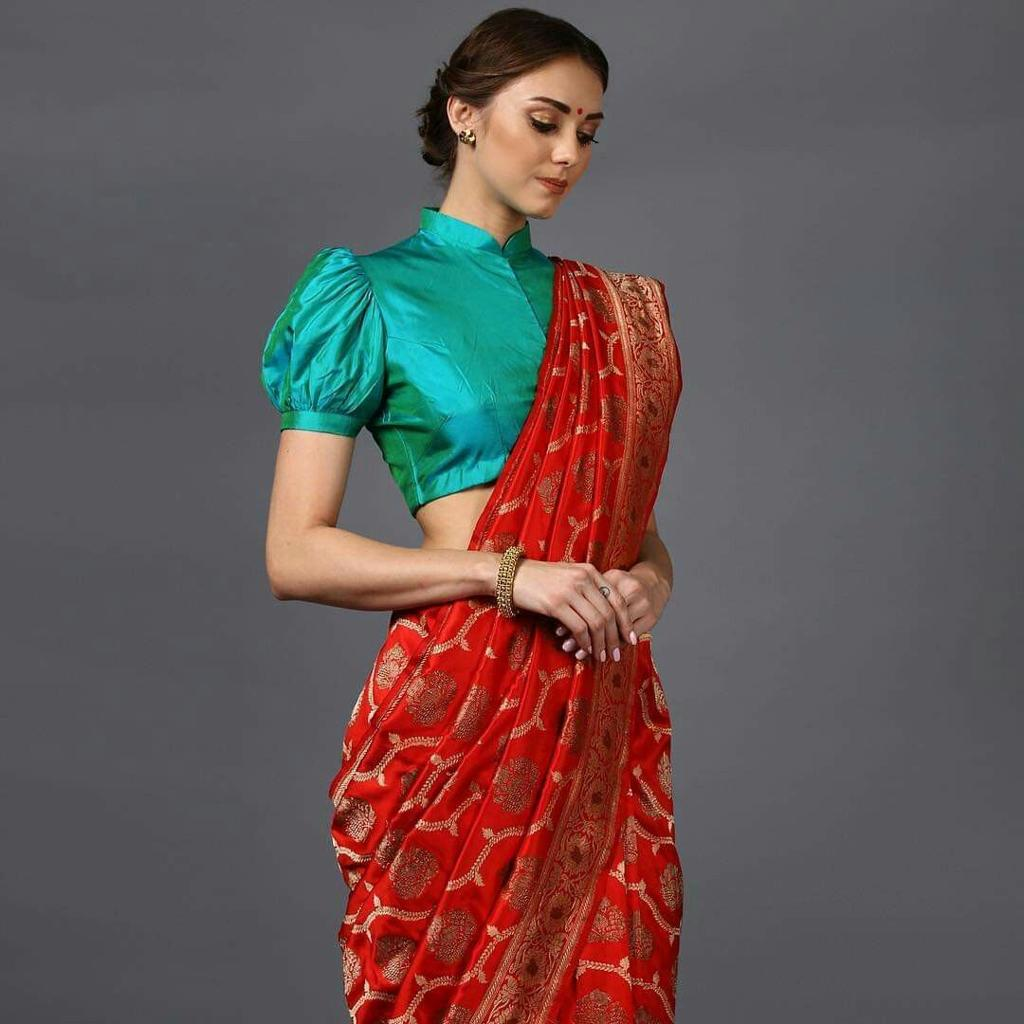
A belt worn around the waist can give a saree a structured appearance. A stylish clutch can add a modern touch, while statement earrings can replace a heavy necklace.
Women can also experiment with draping styles. The classic Nivi drape remains popular, but regional drapes and contemporary variations allow women to create different silhouettes.
Footwear also matters. Traditional sarees can be paired with embellished sandals, juttis, heels or comfortable flats depending on the occasion.
Colours That Work Well
Colour selection can influence the entire appearance of a saree outfit. Red, maroon, green, royal blue and mustard are popular choices for traditional celebrations.
Pastel pink, lavender, beige, peach and powder blue can create a softer appearance. Black, navy and deep wine shades can offer an elegant modern look.
Women should also consider their personal style rather than following colour trends blindly. The best saree is one that makes the wearer feel comfortable and confident.
Saree Fashion for Different Age Groups
Traditional sarees can suit women of every age. Younger women may prefer experimenting with contemporary blouses, prints and accessories. Women who prefer a classic appearance may choose handloom sarees with traditional borders and understated jewellery.
For mature women, elegant silk, cotton and handwoven sarees can provide a sophisticated appearance. The focus should be on comfort, fabric quality and personal preference rather than strict fashion rules.
Tips for Buying a Traditional Saree
Before purchasing a traditional saree, consider the fabric, occasion, comfort and maintenance requirements. Check the weaving or embroidery details carefully, particularly when purchasing a handcrafted saree.
It is also useful to consider whether the saree will work with existing blouses and accessories. A versatile saree can be styled in several ways, making it a practical addition to a wardrobe.
Always follow the recommended washing and storage instructions to protect delicate fabrics.
Conclusion
Traditional saree fashion continues to inspire women because it combines cultural heritage with personal expression. From luxurious Banarasi and Kanjeevaram sarees to lightweight Chanderi and regional handlooms, there is a traditional style for almost every occasion.
Modern styling has made the saree even more versatile. With the right blouse, jewellery, footwear and draping technique, women can create a look that feels both traditionally rooted and contemporary. Ultimately, the beauty of saree fashion lies in its ability to celebrate individuality while keeping India’s rich textile traditions alive.