
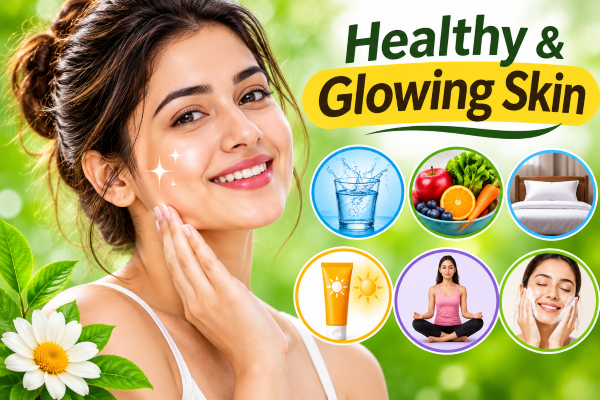
Healthy and glowing skin is often associated with beauty, but healthy skin is much more than having a bright complexion. Skin is the body’s largest organ and acts as a protective barrier against environmental factors, helps regulate temperature, and supports several important biological functions. Maintaining it requires consistent care rather than relying on a single cream, treatment, or beauty product.
A good skincare routine can help keep the skin clean, hydrated, comfortable, and protected. However, skin health also depends on factors such as nutrition, sleep, physical activity, stress management, sun protection, and everyday habits.
The good news is that you do not need an expensive routine to care for your skin. Simple and consistent habits can make a meaningful difference over time.
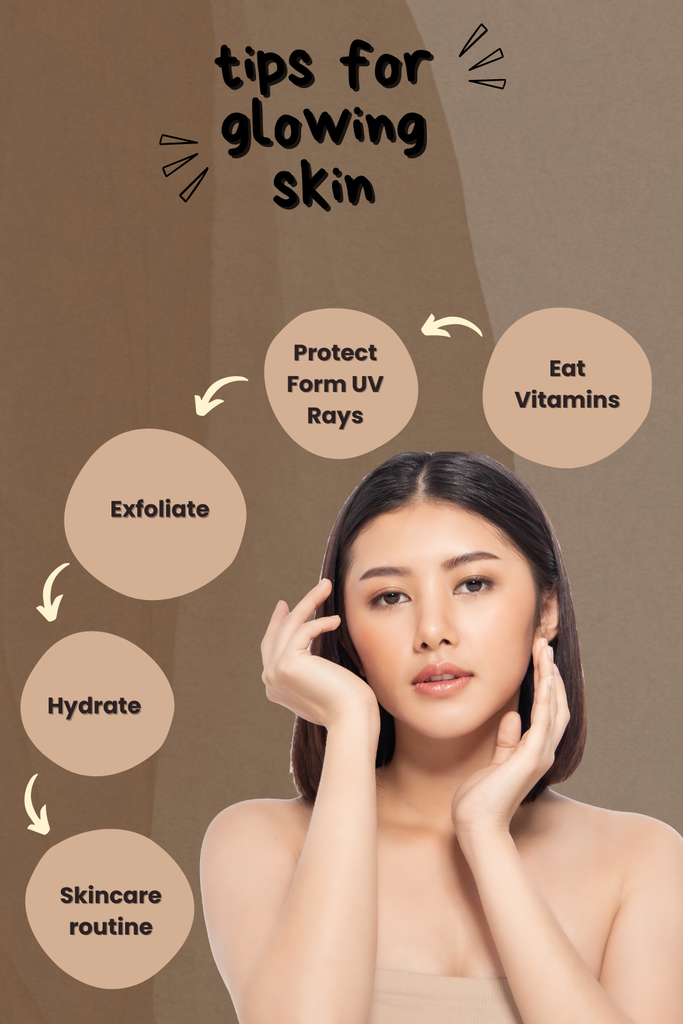
What Does Healthy and Glowing Skin Mean?
Healthy skin does not necessarily mean perfectly smooth or completely poreless skin. Real skin naturally has pores, lines, marks, pigmentation, and occasional blemishes.
Generally, healthy skin is comfortable, adequately hydrated, reasonably even in texture, and able to perform its protective function effectively. A healthy-looking complexion may also appear fresh and naturally radiant.
Several factors influence how your skin looks, including:
- Genetics
- Age
- Hormonal changes
- Diet
- Hydration
- Sleep
- Sun exposure
- Pollution
- Stress
- Skincare habits
- Physical activity
- Smoking and alcohol consumption
- Certain medications and health conditions
Because these factors vary from person to person, there is no universal skincare routine that works identically for everyone.
1. Follow a Simple Daily Skincare Routine
One of the easiest ways to support healthy skin is to maintain a simple routine that you can follow consistently.
A basic routine can include three important steps:
Cleanse: Use a gentle cleanser to remove excess oil, sweat, dirt, sunscreen, and makeup.
Moisturize: Apply a moisturizer appropriate for your skin type to help maintain the skin barrier and reduce dryness.
Protect: Use broad-spectrum sunscreen during daytime exposure to help protect the skin from ultraviolet radiation.
You do not necessarily need a long list of products. In fact, using too many active ingredients simultaneously can sometimes irritate the skin.
A simple routine that you follow regularly is often more practical than a complicated routine that you abandon after a few weeks.
2. Understand Your Skin Type
Choosing suitable skincare products becomes easier when you understand your skin type.
Common categories include:
Normal Skin
Normal skin generally has a balanced oil and moisture level and may not be particularly oily or dry.
Dry Skin
Dry skin may feel tight, rough, flaky, or uncomfortable, particularly after washing.
Oily Skin
Oily skin tends to produce more sebum and may appear shiny. People with oily skin may also be more prone to clogged pores.
Combination Skin
Combination skin can have oilier areas, especially around the forehead, nose, and chin, while other areas may feel normal or dry.
Sensitive Skin
Sensitive skin may react easily to certain products or environmental conditions and can experience redness, burning, itching, or discomfort.
Your skin type can also change with seasons, age, hormones, and environmental conditions. Therefore, skincare should be flexible rather than rigid.
3. Never Ignore Sunscreen
Sun protection is one of the most important parts of a daytime skincare routine.
Ultraviolet radiation can contribute to premature skin aging and increase the risk of skin cancer. Repeated sun exposure can also contribute to uneven pigmentation and other visible changes in the skin.
A broad-spectrum sunscreen can help protect against UVA and UVB radiation. The appropriate sunscreen should be selected according to your skin type, activities, and level of sun exposure.
Sunscreen is particularly important when spending extended periods outdoors. Protective clothing, hats, sunglasses, and shade can provide additional protection.
Remember that sunscreen is not only for beach vacations. Everyday outdoor exposure can also contribute to cumulative ultraviolet exposure.
Hydration is important for maintaining comfortable and healthy-looking skin.
4. Keep Your Skin Properly Hydrated
Drinking enough fluids supports overall health, while using a suitable moisturizer can help reduce water loss from the skin’s surface.
Dry or dehydrated skin may look dull and feel tight. Moisturizers containing ingredients such as glycerin, ceramides, or hyaluronic acid may help support the skin’s moisture barrier.
However, drinking excessive amounts of water does not automatically create glowing skin. Hydration should be part of an overall healthy lifestyle rather than viewed as a quick beauty solution.
5. Eat a Balanced Diet for Better Skin Health
Your skin needs nutrients to maintain its structure and function. A balanced diet containing a variety of whole foods can support overall skin health.
Include foods such as:
- Fresh fruits
- Vegetables
- Whole grains
- Pulses and legumes
- Nuts and seeds
- Eggs
- Fish or other protein sources
- Dairy or suitable alternatives
- Healthy fats
Colorful fruits and vegetables provide various vitamins, minerals, and plant compounds. Foods containing vitamin C, vitamin E, carotenoids, and other nutrients can form part of a balanced diet that supports normal skin function.
Instead of focusing on one so-called “beauty food,” concentrate on dietary variety and overall nutritional quality.
6. Include Vitamin C-Rich Foods
Vitamin C is an important nutrient involved in collagen production and normal tissue repair.
Good dietary sources include:
- Guava
- Oranges
- Amla
- Kiwi
- Strawberries
- Bell peppers
- Tomatoes
- Broccoli
Including vitamin C-rich foods in your regular diet can contribute to overall nutritional health.
Vitamin C is also commonly found in topical skincare products. However, concentrated skincare ingredients can behave differently from dietary nutrients, so products should be introduced carefully, particularly if you have sensitive skin.
7. Get Enough Quality Sleep
Sleep is often overlooked when people discuss skincare, but healthy sleep is an important part of overall well-being.
During sleep, the body performs numerous maintenance and recovery processes. Poor sleep can leave you looking tired and may contribute to a dull appearance.
Adults generally benefit from getting around seven or more hours of sleep per night, although individual needs vary.
Try to maintain a consistent sleep schedule. Reducing screen use immediately before bedtime, keeping the bedroom comfortable, and following a relaxing nighttime routine can make it easier to maintain good sleep habits.
8. Exercise Regularly
Physical activity supports overall health and can contribute indirectly to healthier-looking skin.
Exercise increases blood circulation throughout the body and can support cardiovascular health. It can also help with stress management and sleep quality.
Activities such as:
- Walking
- Cycling
- Swimming
- Yoga
- Running
- Strength training
- Dancing
can be incorporated according to your fitness level and preferences.
After exercising, especially in hot or humid conditions, clean your skin and change out of sweaty clothing to reduce irritation and discomfort.
9. Manage Everyday Stress
Stress can affect many aspects of health, including the skin.
Some people notice changes such as increased breakouts, sensitivity, dryness, or other skin concerns during stressful periods.
Stress management does not require complicated techniques. Simple activities can help, including:
- Deep breathing
- Meditation
- Walking
- Reading
- Exercise
- Spending time outdoors
- Maintaining social connections
- Practicing hobbies
- Getting adequate sleep
The goal is not to eliminate every stressful situation but to develop healthy ways of managing everyday stress.
10. Avoid Smoking
Smoking can negatively affect overall health and can also affect the appearance and condition of the skin.
Tobacco smoke exposes the body to numerous chemicals and can affect blood vessels and tissue health. Long-term smoking is associated with premature skin aging and other health problems.
If you smoke, quitting is one of the most beneficial steps you can take for your overall health.
11. Be Careful With Homemade Skin Remedies
Natural ingredients are often promoted online as quick solutions for glowing skin. However, “natural” does not automatically mean safe for every person.
Ingredients such as lemon juice, baking soda, undiluted essential oils, or harsh scrubs can irritate the skin.
Before applying a homemade ingredient to your face, consider whether it has evidence supporting its use and whether it could damage the skin barrier.
A gentle, well-formulated skincare product is often a safer option than experimenting with harsh kitchen ingredients.
12. Avoid Over-Exfoliating
Exfoliation can help remove dead surface cells, but excessive exfoliation can damage the skin barrier.
Using strong exfoliating acids, scrubs, or multiple active products too frequently may result in:
- Redness
- Burning
- Dryness
- Peeling
- Increased sensitivity
- Irritation
More exfoliation does not necessarily mean healthier skin.
If you use exfoliating products, follow the product instructions and give your skin time to adjust.
13. Keep Your Skin Clean Without Overwashing
Cleaning your skin helps remove sweat, excess oil, dirt, makeup, and sunscreen.
However, washing too frequently or using very harsh cleansers can strip the skin of its natural oils and cause dryness or irritation.
For many people, cleansing the face in the morning and evening is sufficient, while additional cleansing may be appropriate after heavy sweating or exercise.
Use lukewarm rather than very hot water, and avoid aggressive rubbing.
14. Choose Skincare Products Carefully
A product that works well for one person may not work equally well for another.
When choosing skincare products, consider:
- Your skin type
- Your primary skin concern
- The ingredients
- Fragrance sensitivity
- Product texture
- How frequently you need to use it
If you have sensitive skin, introducing one new product at a time can make it easier to identify the cause if irritation develops.
You should also follow the manufacturer’s directions instead of assuming that using more product will produce faster results.
15. Do Not Pick or Squeeze Pimples
Popping pimples may seem like a quick way to improve your appearance, but squeezing or picking can irritate the skin and increase the risk of marks and scarring.
Instead, use appropriate acne-friendly skincare and give blemishes time to heal.
If acne is persistent, painful, severe, or leaving scars, consulting a dermatologist can help identify suitable treatment options.
16. Change Pillowcases and Towels Regularly
Pillowcases and towels come into regular contact with your skin. They can accumulate sweat, oils, cosmetic residue, and other substances.
Regularly washing pillowcases, face towels, and other items that touch your face can be a useful part of general hygiene.
However, skin problems are rarely caused by one factor alone. Cleaning your bedding should complement—not replace—a proper skincare routine.
17. Build a Skin-Friendly Lifestyle
Healthy skin is often the result of several small habits working together.
A practical lifestyle routine might look like this:
Morning
- Wash your face gently if needed.
- Apply moisturizer.
- Apply broad-spectrum sunscreen.
- Eat a balanced breakfast.
- Drink enough fluids throughout the day.
During the day
- Protect your skin from excessive sunlight.
- Eat nutritious meals.
- Stay physically active.
- Manage stress.
- Avoid smoking.
Evening
- Remove makeup and sunscreen.
- Cleanse gently.
- Apply appropriate skincare products.
- Moisturize.
- Get adequate sleep.
Consistency is more important than having an elaborate routine.
18. Skin Health During Different Seasons
Your skincare needs may change throughout the year.
During hot weather, sweating and humidity can make the skin feel oily. Lightweight moisturizers and appropriate cleansing may be more comfortable.
During winter, cold air and indoor heating can contribute to dryness. A richer moisturizer may help maintain comfort.
During periods of intense sunlight, sun protection becomes especially important.
Rather than following one routine all year, pay attention to how your skin feels and adjust your products accordingly.
19. When Should You See a Dermatologist?
Skincare products and lifestyle changes can support healthy skin, but they cannot solve every skin problem.
Consider consulting a qualified dermatologist if you experience:
- Persistent or severe acne
- Unexplained rashes
- Persistent itching
- Painful skin lesions
- Significant changes in moles
- Recurrent skin infections
- Severe dryness or cracking
- Persistent redness
- Hair or nail changes associated with skin problems
- Skin concerns that do not improve with basic care
A dermatologist can assess your skin and recommend treatments appropriate for your specific condition.
20. Common Myths About Glowing Skin
Myth 1: Expensive products always work better
Price does not automatically determine effectiveness. A simple, well-formulated product may be more useful than an expensive product that does not suit your skin.
Myth 2: Drinking huge amounts of water creates glowing skin
Adequate hydration is important, but excessive water intake is not a shortcut to perfect skin.
Myth 3: Natural products are always safer
Natural ingredients can still cause irritation, allergies, or sensitivity.
Myth 4: Oily skin does not need moisturizer
Oily skin can still become dehydrated. A lightweight, non-comedogenic moisturizer may be appropriate.
Myth 5: You need many skincare products
A complicated routine is not necessary for everyone. Cleanser, moisturizer, and sunscreen can provide a strong foundation for many people.
Healthy and Glowing Skin: A Simple Daily Checklist
For a practical routine, remember these basic habits:
- Cleanse gently.
- Moisturize according to your skin type.
- Apply sunscreen during daytime.
- Eat a balanced diet.
- Drink adequate fluids.
- Exercise regularly.
- Sleep well.
- Manage stress.
- Avoid smoking.
- Do not pick pimples.
- Avoid excessive exfoliation.
- Introduce new skincare products carefully.
- Consult a dermatologist when necessary.
Final Thoughts
Healthy and glowing skin is not created overnight. It is usually the result of consistent skincare, good nutrition, adequate sleep, physical activity, sun protection, stress management, and other healthy lifestyle choices.
You do not need dozens of products or expensive treatments to begin. Start with the basics: cleanse gently, moisturize, protect your skin from the sun, eat a balanced diet, sleep well, stay active, and pay attention to how your skin responds.
Most importantly, remember that healthy skin does not have to look perfect. Occasional pimples, pores, pigmentation, fine lines, and other natural features are normal. The goal should be to support your skin’s health and protect it over the long term rather than chasing unrealistic beauty standards.
Disclaimer: This article is for general informational purposes only and should not be considered medical advice. Skin concerns can have different causes. Consult a qualified dermatologist or healthcare professional for persistent, severe, or unusual symptoms.



One thought on “Healthy and Glowing Skin: A Complete Guide to Natural Skin Care and Daily Habits”