
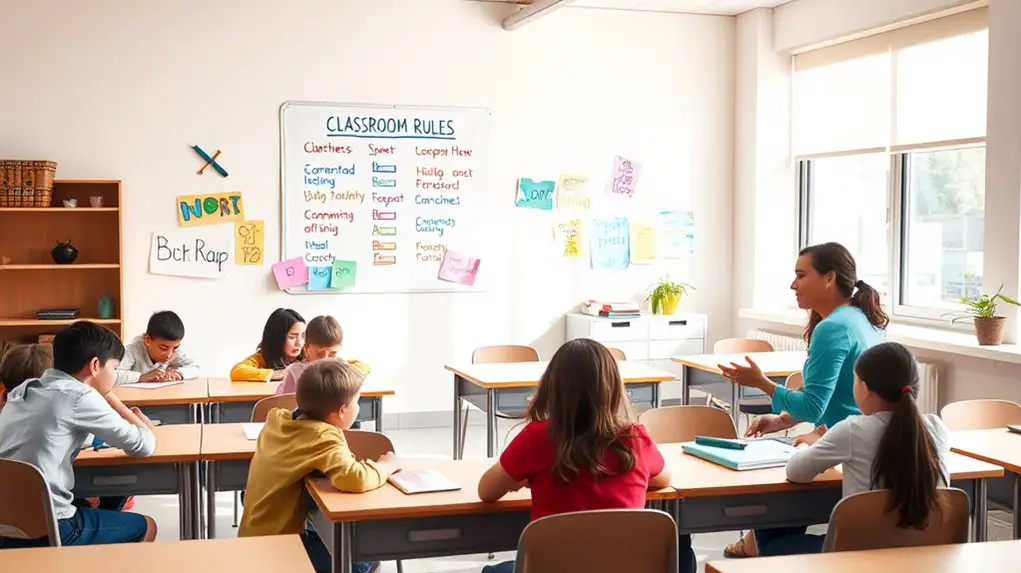
A classroom is one of the most important spaces in the education system. It is traditionally a physical room where teachers and students meet for lessons, discussions, activities, and assessments. However, the meaning of a classroom has changed significantly with the growth of technology and online education. Today, a classroom can be a physical space, a virtual meeting, or a combination of both.
A good classroom is not only a place where students receive information. It is an environment where they can ask questions, develop skills, share ideas, work with others, and build confidence. The quality of the classroom environment can influence how students participate in learning and how comfortable they feel while studying.
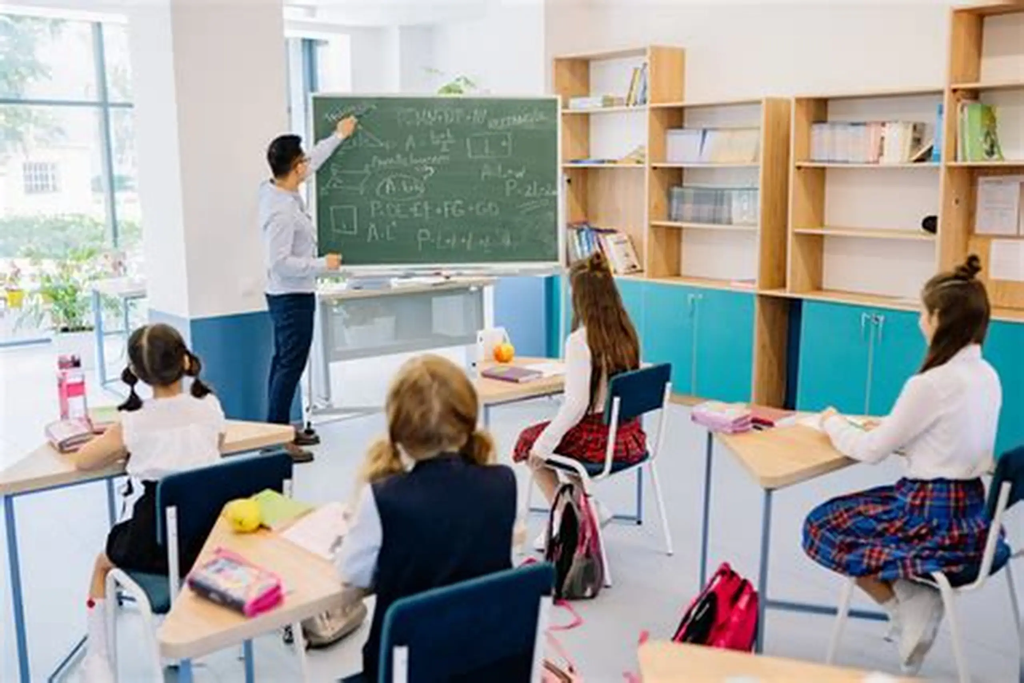
What Is a Classroom?
A classroom is a designated learning environment where teaching and learning activities take place. It usually contains essential facilities such as desks, chairs, a teacher’s area, a board, learning materials, and educational equipment.
Classrooms can be found in schools, colleges, universities, coaching centers, training institutes, and other educational organizations. They can also exist online through digital platforms that allow teachers and students to communicate from different locations.
The basic purpose remains the same: to create an organized environment for education.
Importance of the Classroom
The classroom plays an important role in a student’s academic and personal development. It provides a structured environment where students can follow a learning schedule and interact regularly with teachers and classmates.
One major benefit is direct communication. Students can ask questions, participate in discussions, and receive explanations from teachers. Classroom interaction can also help teachers understand which topics students find difficult.
A classroom also encourages social development. Students learn how to communicate, cooperate, listen to different opinions, and work as a team. These skills are useful beyond school and can become valuable in higher education and professional life.
Different Types of Classrooms
Classrooms have evolved as educational methods have changed. Some common types include:
Traditional Classroom
The traditional classroom is a physical room where students and teachers meet in person. Students usually sit at desks while the teacher conducts lessons using a board, textbooks, presentations, or other teaching materials.
This format allows face-to-face communication and makes it easier to conduct practical activities and group discussions.
Smart Classroom
A smart classroom uses digital technology to improve teaching and learning. It may include interactive displays, projectors, computers, internet connectivity, digital presentations, and educational software.
Teachers can use videos, animations, online resources, and interactive activities to explain difficult concepts. Technology can also provide students with access to a wider range of educational resources.
Virtual Classroom
A virtual classroom allows students and teachers to interact online. Classes may be conducted through video conferencing platforms, learning management systems, recorded lectures, and digital assignments.
Virtual classrooms can provide flexibility for students who cannot attend physical classes. However, students need reliable internet access, suitable devices, and good time-management skills.
Hybrid Classroom
A hybrid classroom combines physical and online learning. Some students may attend lessons in person while others participate remotely, or students may alternate between classroom teaching and digital learning.
This model can provide flexibility while retaining opportunities for face-to-face interaction.
Features of an Effective Classroom
An effective classroom should support learning while making students feel comfortable and involved. Several factors contribute to a positive learning environment.
Good communication is essential. Teachers should explain concepts clearly and encourage students to ask questions.
Student participation is another important factor. Instead of only listening to lectures, students can participate in discussions, presentations, experiments, projects, and group activities.
A suitable physical environment also matters. Adequate lighting, ventilation, seating arrangements, cleanliness, and appropriate classroom equipment can make learning more comfortable.
Respect and inclusion are equally important. Every student should have an opportunity to participate and express ideas without unnecessary fear or embarrassment.
Role of Teachers in the Classroom
Teachers play a central role in classroom learning. Their responsibilities extend beyond delivering lessons.
A teacher can act as an instructor, mentor, facilitator, and guide. Teachers prepare lessons, explain concepts, answer questions, evaluate assignments, and provide feedback.
Effective teachers also observe student participation and identify areas where additional support may be necessary. Different students learn at different speeds, so flexible teaching methods can help address individual learning needs.
Teachers can also encourage students to think critically rather than simply memorize information. Asking questions, solving problems, and discussing real-world examples can make lessons more meaningful.
Role of Students
Students are active participants in the classroom. Learning becomes more effective when students take responsibility for their education.
Students can contribute by attending classes regularly, completing assignments, asking questions, participating in discussions, and respecting classmates and teachers.
Developing good study habits is also important. Taking notes, reviewing lessons, managing time, and seeking help when necessary can improve academic progress.
Students can also use technology responsibly to research topics, practice skills, and access additional educational materials.
Technology in Modern Classrooms
Technology has changed how many classrooms operate. Digital boards, educational applications, online libraries, learning platforms, and multimedia resources provide teachers with additional ways to present information.
For example, a science teacher can use an animation to demonstrate a complex process, while a geography teacher can use digital maps to explain locations. Students can also use online resources for research and practice.
Artificial intelligence is another developing area in education. AI-powered tools can help with activities such as personalized practice, language learning, research assistance, and educational feedback. However, technology should support learning rather than completely replace teachers or independent thinking.
Classroom Management
Classroom management refers to the methods used to maintain an organized and productive learning environment. Clear rules, consistent routines, respectful communication, and appropriate time management can help reduce distractions.
Teachers may establish expectations regarding attendance, assignments, classroom behavior, technology use, and participation.
Good classroom management does not simply focus on discipline. It also involves creating an environment where students understand what is expected of them and feel encouraged to learn.
Future of Classrooms
The classroom of the future is likely to combine physical learning with digital tools. Interactive technology, personalized learning systems, virtual resources, and collaborative platforms may become more common.
At the same time, human interaction will remain important. Teachers can provide encouragement, guidance, discussion, and emotional support that technology cannot fully replace.
Future classrooms may therefore focus less on memorizing information and more on problem-solving, creativity, communication, collaboration, and practical skills.
Conclusion
A classroom is much more than a room containing desks and a board. It is an environment where knowledge, communication, creativity, and social development come together. Traditional classrooms continue to play an important role, while smart, virtual, and hybrid classrooms are expanding the ways students can learn.
A successful classroom depends on several elements, including effective teaching, active student participation, suitable facilities, respectful communication, and responsible use of technology. As education continues to evolve, classrooms will also change, but their central purpose will remain the same: helping students learn, grow, and prepare for future opportunities.