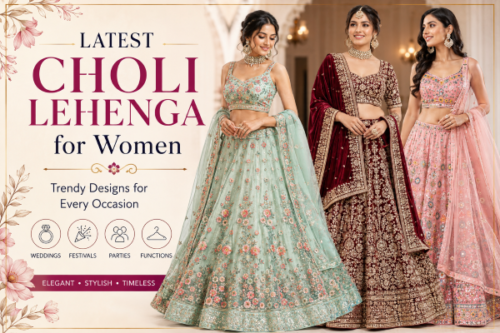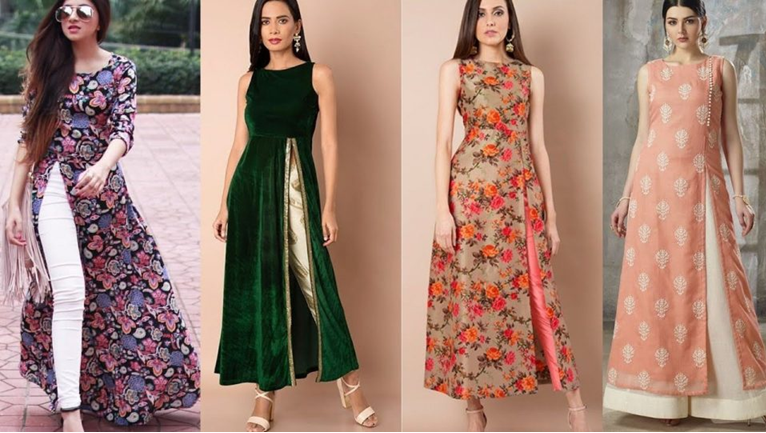
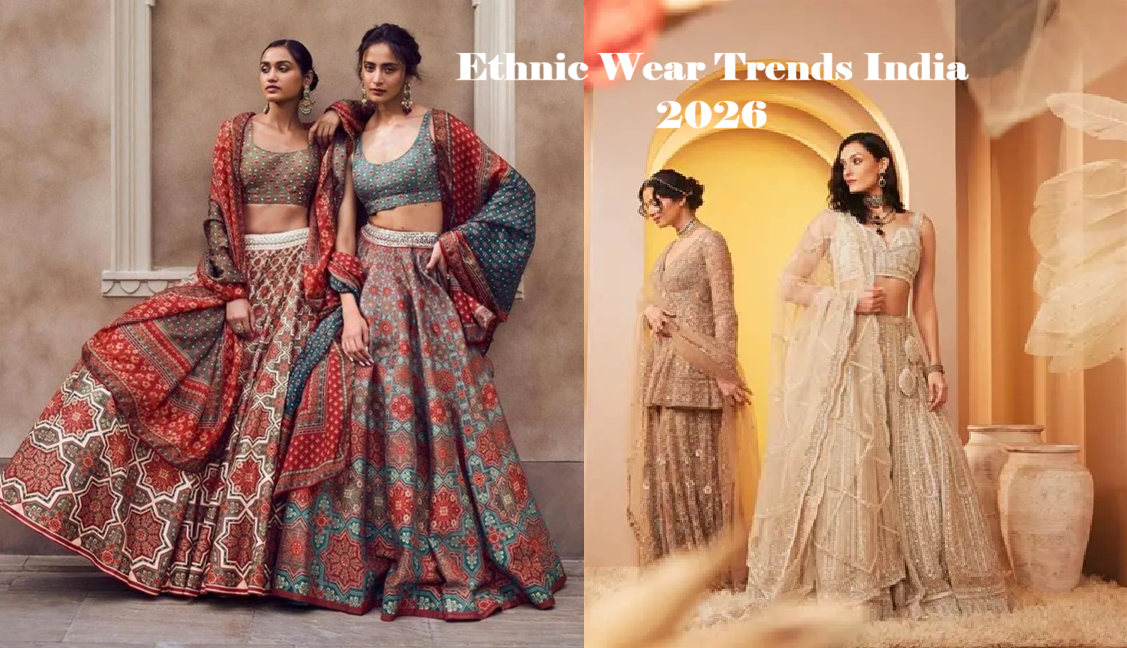
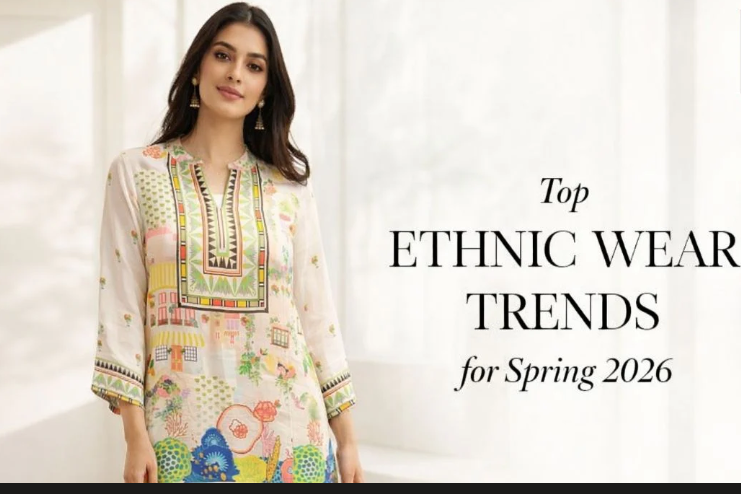
India’s ethnic fashion industry continues to evolve with changing lifestyles, cultural influences, and modern design innovations. In 2026, ethnic wear is expected to blend traditional craftsmanship with contemporary aesthetics, offering fashion enthusiasts a wide range of stylish and comfortable choices. From elegant sarees and designer kurtis to fusion outfits and sustainable fabrics, ethnic wear remains a significant part of Indian fashion.
The Growing Popularity of Ethnic Fashion
Ethnic wear has always been deeply connected to Indian culture and traditions. Whether it is a wedding, festival, office celebration, or family gathering, traditional attire continues to hold a special place in Indian society.
In recent years, fashion designers have introduced innovative cuts, modern silhouettes, and contemporary styling techniques that make ethnic wear suitable for both traditional and casual occasions. As a result, younger generations are increasingly embracing ethnic fashion.
Sustainable Ethnic Wear Takes Center Stage
One of the biggest trends in 2026 is sustainability. Consumers are becoming more conscious of their fashion choices and prefer outfits made from eco-friendly materials.
Popular sustainable fabrics include:
- Organic cotton
- Handloom cotton
- Linen blends
- Bamboo fabric
- Khadi
- Natural silk
Many Indian brands are focusing on ethical production methods and supporting local artisans. Handcrafted embroidery, block printing, and handwoven textiles are expected to gain even more popularity.
Pastel Colors Continue to Dominate
While bright and bold colors remain important during festive occasions, pastel shades are becoming a preferred choice for everyday ethnic fashion.
Trending colors in 2026 include:
- Powder blue
- Mint green
- Blush pink
- Lavender
- Peach
- Ivory
- Sage green
These shades offer elegance and versatility, making them suitable for both formal and casual events.
Modern Sarees with Contemporary Styling
The saree remains one of India’s most iconic garments. However, in 2026, modern draping styles and innovative designs are redefining this classic outfit.
Popular saree trends include:
Pre-Draped Sarees
Pre-stitched sarees provide convenience while maintaining a traditional appearance. They are particularly popular among young professionals and first-time saree wearers.
Lightweight Fabrics
Georgette, chiffon, organza, and soft silk sarees are gaining attention due to their comfort and easy maintenance.
Minimalist Embellishments
Instead of heavy embroidery, many sarees feature subtle sequins, delicate threadwork, and elegant borders.
Fusion Wear Becomes More Popular
Fusion fashion combines traditional Indian elements with modern Western silhouettes. This trend is expected to remain strong throughout 2026.
Examples of fusion wear include:
- Kurti with denim jeans
- Crop tops paired with lehengas
- Ethnic jackets over dresses
- Dhoti pants with contemporary tops
- Sarees styled with belts
Fusion outfits provide comfort and flexibility while preserving ethnic charm.
Statement Sleeves and Neck Designs
Fashion-forward ethnic wear in 2026 features unique sleeve patterns and creative necklines.
Trending sleeve styles:
- Bell sleeves
- Puff sleeves
- Cape sleeves
- Balloon sleeves
- Layered sleeves
Popular neckline designs:
- Boat neck
- Square neck
- Keyhole neck
- Mandarin collar
- Deep V-neck
These design elements help transform simple outfits into stylish fashion statements.
Co-Ord Sets for Everyday Elegance
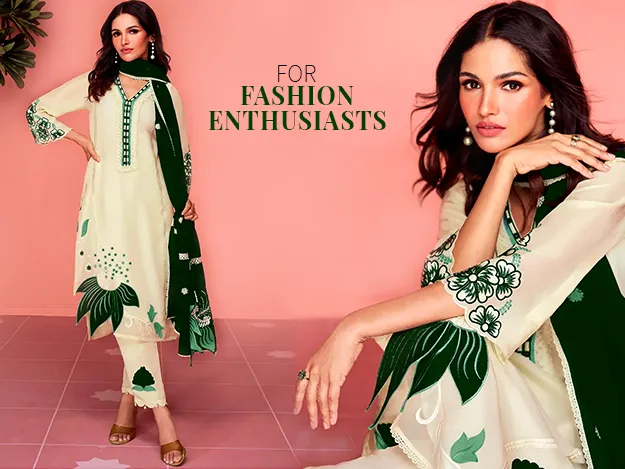
Ethnic co-ord sets are becoming a favorite among women seeking comfort and sophistication.
These matching sets often include:
- Kurta and trousers
- Tunic and palazzo combinations
- Printed jackets with coordinated bottoms
- Three-piece ethnic ensembles
Co-ord sets are ideal for office wear, festive gatherings, and casual outings.
Handcrafted Embroidery Makes a Strong Comeback
Traditional Indian embroidery techniques are receiving renewed attention in 2026.
Popular embroidery styles include:
- Chikankari
- Mirror work
- Kantha embroidery
- Zari work
- Phulkari
- Kashmiri embroidery
Consumers increasingly appreciate garments that showcase India’s rich textile heritage and artisan craftsmanship.
Palazzo Pants and Wide-Leg Bottoms
Comfort-focused fashion continues to influence ethnic wear trends.
Popular bottom wear choices include:
- Palazzo pants
- Sharara sets
- Wide-leg trousers
- Straight pants
- Dhoti-style bottoms
These styles provide ease of movement while enhancing overall outfit appeal.
Organza and Tissue Fabrics Gain Popularity
Luxury fabrics are making a strong impact on festive and wedding fashion.
Organza
Organza remains highly popular because of its lightweight texture and elegant appearance. It is commonly used in sarees, dupattas, and lehengas.
Tissue Fabric
Tissue silk and metallic-finish fabrics are emerging as fashionable choices for weddings and grand celebrations.
Their subtle shine creates a sophisticated and premium look.
Men’s Ethnic Wear Trends in 2026
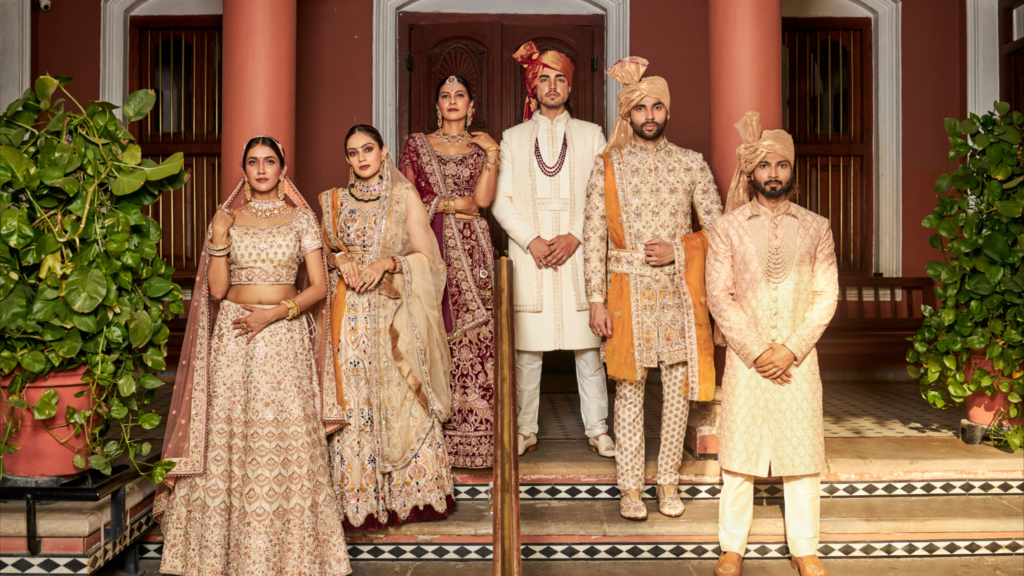
Ethnic fashion is evolving rapidly for men as well.
Pastel Kurtas
Soft-colored kurtas are becoming a preferred option for weddings and festive events.
Printed Nehru Jackets
Printed and textured Nehru jackets add personality and style to traditional outfits.
Indo-Western Ensembles
Modern men increasingly choose Indo-Western outfits that combine comfort with elegance.
Popular options include:
- Asymmetric kurtas
- Layered jackets
- Draped silhouettes
- Tailored ethnic suits
Digital Prints and Artistic Patterns
Art-inspired ethnic wear is expected to gain popularity in 2026.
Trending prints include:
- Floral motifs
- Abstract artwork
- Nature-inspired designs
- Geometric patterns
- Traditional Indian block prints
Digital printing technology allows designers to create intricate patterns while maintaining fabric quality.
Wedding Fashion Becomes More Personalized
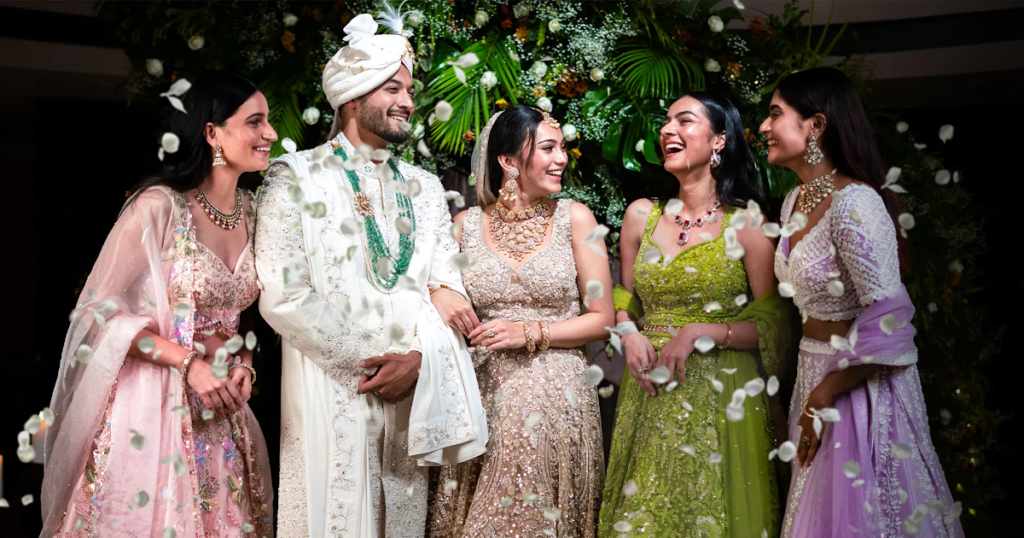
Indian weddings continue to drive the ethnic fashion market. However, personalization is becoming more important than ever.
Brides and grooms are opting for:
- Customized embroidery
- Personalized motifs
- Family-inspired designs
- Unique color combinations
- Coordinated family outfits
This trend allows individuals to express their personality through fashion.
Comfort-Driven Fashion Leads Consumer Choices
The post-pandemic focus on comfort remains relevant in 2026. Consumers increasingly prefer breathable fabrics, lightweight garments, and versatile designs that can be worn on multiple occasions.
Fashion brands are responding by creating outfits that balance style, functionality, and comfort.
Styling Tips for Ethnic Wear in 2026
To stay fashionable while embracing ethnic trends:
- Choose breathable fabrics for daily wear.
- Experiment with fusion styling.
- Invest in versatile co-ord sets.
- Accessorize with minimalist jewelry.
- Explore pastel color palettes.
- Support handcrafted and sustainable fashion.
- Select outfits that prioritize comfort and elegance.
Conclusion
Ethnic wear trends in India for 2026 reflect a perfect balance between tradition and innovation. Sustainable fabrics, pastel shades, handcrafted embroidery, fusion fashion, modern sarees, and comfortable silhouettes are shaping the future of Indian ethnic style. As consumers seek outfits that are fashionable, practical, and culturally meaningful, designers continue to reinvent traditional garments for contemporary lifestyles.
Whether you prefer timeless sarees, elegant kurtis, stylish co-ord sets, or modern Indo-Western ensembles, 2026 offers exciting opportunities to celebrate India’s rich fashion heritage while embracing modern trends.