
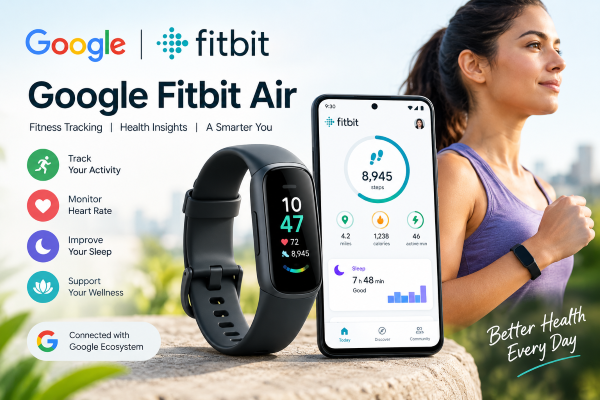
Google Fitbit Air is a term that may be used when discussing Fitbit’s newer approach to health, fitness, and wearable technology within the Google ecosystem. Fitbit has become an important part of Google’s broader hardware and health strategy, bringing together fitness tracking, health insights, smart features, and connected devices.
Introducing the new Google Fitbit Air
For people interested in wearable technology, understanding what “Google Fitbit Air” refers to can be useful. It may describe a lightweight Fitbit-related product, an air-focused health feature, or discussions surrounding Fitbit technology and future devices. Because product names and features can change, users should always check official Google and Fitbit information before purchasing a specific product.
What Is Google Fitbit Air?
Google Fitbit Air is not a universally established Fitbit product name in the same way as products such as Fitbit Charge, Fitbit Sense, or Fitbit Versa. The phrase may appear in online searches or discussions related to Fitbit’s wearable technology and Google’s health ecosystem.
Fitbit itself is known for devices that monitor physical activity, heart rate, sleep, workouts, and other wellness information. Since Google acquired Fitbit, Fitbit technology has increasingly become connected with Google’s wider hardware and software ecosystem.
The broader idea behind Fitbit products is simple: collect useful information about everyday activity and present it in a way that can help users understand their routines.
Google and Fitbit: A Connected Ecosystem
Google completed its acquisition of Fitbit in 2021. Since then, Fitbit has continued to operate as a recognizable health and fitness brand while becoming part of Google’s hardware portfolio.
This relationship has created opportunities for Fitbit technology to work alongside Google’s other products and services. Wearable devices can provide information about activity, exercise, sleep, and heart rate, while smartphones and apps provide a convenient way to view that information.
Google’s involvement also means Fitbit is part of a larger ecosystem that includes Android devices, Google services, and wearable technology.
Fitness Tracking Features
One of the main reasons people choose Fitbit devices is fitness tracking. Depending on the model, Fitbit products can record activities such as walking, running, cycling, swimming, and structured workouts.
Common tracking capabilities may include:
- Steps taken throughout the day
- Distance traveled
- Calories burned estimates
- Active minutes
- Heart-rate measurements
- Workout tracking
- Sleep information
- Activity trends
These features can help users develop a better understanding of their daily habits.
For example, someone who spends most of the day sitting may use activity information as a reminder to move more frequently. A runner can use workout data to monitor training sessions and compare performance over time.
Health and Wellness Monitoring
Modern Fitbit devices go beyond simple step counting. Depending on the device and region, they can provide different health-related measurements and insights.
Heart-rate monitoring is one of the most common features. Some Fitbit devices can also provide information related to heart-rate variability, resting heart rate, breathing patterns, and other wellness indicators.
Sleep tracking is another major part of the Fitbit experience. Users may receive information about sleep duration and different aspects of their sleep patterns.
However, it is important to understand that consumer fitness trackers are not replacements for professional medical equipment. Health measurements can be affected by device placement, movement, skin contact, individual differences, and other factors.
Sleep Tracking
Sleep has become an important part of wearable technology. Fitbit devices can monitor sleep-related patterns while a user wears the device during the night.
Depending on the model and available software features, users may see information about:
- Total sleep duration
- Time spent awake
- Sleep stages
- Sleep patterns
- Sleep-related trends
Looking at trends over several weeks can sometimes be more useful than focusing on a single night’s result.
For people trying to establish a regular sleep schedule, wearable data can provide an additional way to observe their habits.
Fitbit Premium
Some Fitbit features are available through the standard Fitbit experience, while other advanced features may require a Fitbit Premium subscription.
Premium features can provide additional insights, workout content, mindfulness resources, health reports, and other tools depending on the current subscription offering.
Before purchasing a Fitbit device specifically for a particular feature, consumers should check whether that feature is included with the device or requires an additional subscription.
Subscription offerings can also change over time, so checking current official information is important.
Integration With Google Services
Google’s ownership of Fitbit creates an interesting connection between fitness technology and the wider Google ecosystem.
Fitbit users may interact with their health and fitness information through supported Google and Fitbit applications. Android users can also benefit from the broader integration between smartphones and wearable devices.
Google has increasingly focused on connected hardware, making wearable technology an important part of its product ecosystem.
The combination of fitness data, smartphones, apps, and smartwatches could make it easier for users to manage different aspects of their digital lifestyle from connected devices.
Design and Everyday Comfort
Wearable technology needs to be comfortable because users often wear it for many hours.
Fitbit has traditionally focused on relatively compact fitness trackers and watches. Lightweight designs can be particularly useful for people who want to wear a device while exercising, sleeping, working, or traveling.
Comfort can depend on the specific model, band material, device size, and individual preferences. A device that feels comfortable during exercise may also be easier to wear consistently throughout the day.
Battery Life
Battery life is another important consideration when selecting a fitness wearable.
Fitness trackers generally aim to provide several days of battery life, although actual performance depends on the model and how it is used. Features such as continuous heart-rate monitoring, GPS, notifications, and frequent workouts can affect battery consumption.
Users who want continuous health and sleep tracking may prefer a device that does not need to be charged every day.
Who Could Benefit From Fitbit Technology?
Fitbit products can be useful for different types of users.
Beginners: People starting a fitness routine can use basic activity tracking to understand their daily movement.
Fitness enthusiasts: Regular exercisers can use workout and heart-rate information to monitor training.
Sleep-focused users: People interested in understanding their sleep patterns may find sleep tracking useful.
Busy professionals: Activity reminders and daily movement information can encourage users to take breaks from long periods of sitting.
Android users: People already using Google and Android products may appreciate having wearable technology connected to their broader device ecosystem.
Things to Consider Before Buying
Before purchasing a Fitbit product, consumers should look beyond the brand name and compare the specifications of individual models.
Important factors include:
- Display: Check the screen size and visibility.
- Battery life: Consider how frequently the device needs charging.
- GPS: Decide whether built-in GPS is important.
- Health features: Check which measurements are supported.
- Water resistance: Verify the device’s water-resistance rating.
- Subscription requirements: Check whether desired features require Fitbit Premium.
- Phone compatibility: Confirm compatibility with your smartphone.
- Price: Compare the device’s cost with competing fitness trackers and smartwatches.
Final Thoughts
Google Fitbit Air is a phrase that can create confusion because it is not a clearly established mainstream Fitbit product name. Fitbit, however, remains an important wearable technology brand within Google’s hardware ecosystem.
Fitbit devices are primarily designed to help people monitor activity, exercise, sleep, heart rate, and other wellness information. Google’s involvement has also created opportunities for Fitbit technology to connect more closely with Android and other Google products.
If you are searching for a product specifically called Google Fitbit Air, it is worth checking the latest official Google and Fitbit announcements to confirm the exact product name, availability, features, and pricing. Wearable technology develops quickly, and specifications or product names can change over time.
Disclaimer: This article is for general informational purposes only. Product names, features, availability, pricing, and subscription options may change. Health and fitness tracking information should not be considered a substitute for professional medical advice.


2 thoughts on “Google Fitbit Air: What It Is, Features, Benefits, and What Users Should Know”